
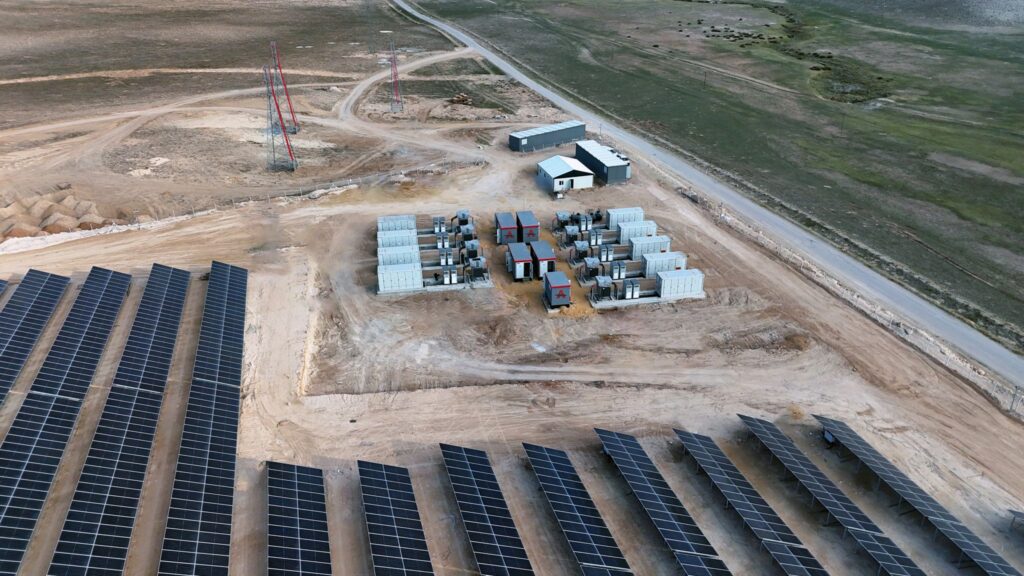
Acciona Energia’s 196 MW/980 MWh El Romero BESS represents a shift from the standalone photovoltaic generation toward an integrated solar-plus-storage dispatchable infrastructure. The El Romero facility is a utility-scale asset with 246 MWp solar PV capacity. Integration with BESS positions the project in the medium-duration storage class optimized for daily load shifting. This integration will create a temporal reshaping of renewable energy output to improve grid alignment with demand curves. It will also help the country transition away from synchronous fossil generation. This will provide frequency stability, system inertia, and ramp control. Additionally, the EL Romero project will help absorb volatility from variable generation, provide dispatchable renewable capacity, and reduce the need for curtailment-based balancing. High-quality yoke plates provide mechanical support and stability for the solar-plus-storage infrastructure.
The yoke plates ensure safe and efficient electrical transmission to the grid. They secure solar panels, mounting rails, and support structures. It helps distribute mechanical loads across the entire mounting systems. Yoke plates connect the moving parts that allow solar panels to follow the sun’s path throughout the day to maximize energy generation. Additionally, it provides stability and alignment for the safe and efficient operation of the storage system. Yoke plates distribute electrical loads from the infrastructure and reduce mechanical stress on the transmission system. It ensures proper insulation between conductors and their supporting structures to enable the safe transmission of solar and stored power.
Quality assurance for yoke plates used in Acciona Energia’s solar-plus-storage project
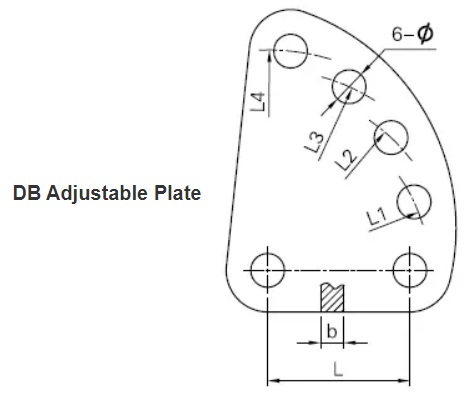
Acciona Energia’s solar-plus-storage project operates reliably under high electrical and mechanical loading conditions. The project uses yoke plates to connect insulator strings, suspension assemblies, and conductor fittings while distributing mechanical loads. Enhancing quality assurance for the yoke plate ensures the long-term performance and grid reliability of the project. Yoke plates in the collector systems equalize mechanical loads, connect insulator strings, support conductor tension, and maintain alignment of transmission components. QA detects defects in yoke plates that can compromise the integrity of the entire suspension assembly, thus affecting power delivery from the solar battery facilities to the grid. The process include raw material verification, dimensional accuracy inspection, mechanical load testing, and galvanization quality control. Quality assurance ensures the yoke plates provide the reliability required for transmission infrastructure supporting Chile’s solar-plus-storage developments.
The roles of yoke plates in solar-plus-storage infrastructure in Chile
Yoke plates serve in transmission and substation hardware components used in utility-scale renewable energy projects. They also serve in BESS, collector substations, and transmission networks. Yoke plates help ensure the safe and reliable transmission of electricity from renewable energy facilities to the grid. This is by providing mechanical connections and balanced load distribution within overhead line assemblies. Here are their key functions in solar-plus-storage infrastructure.
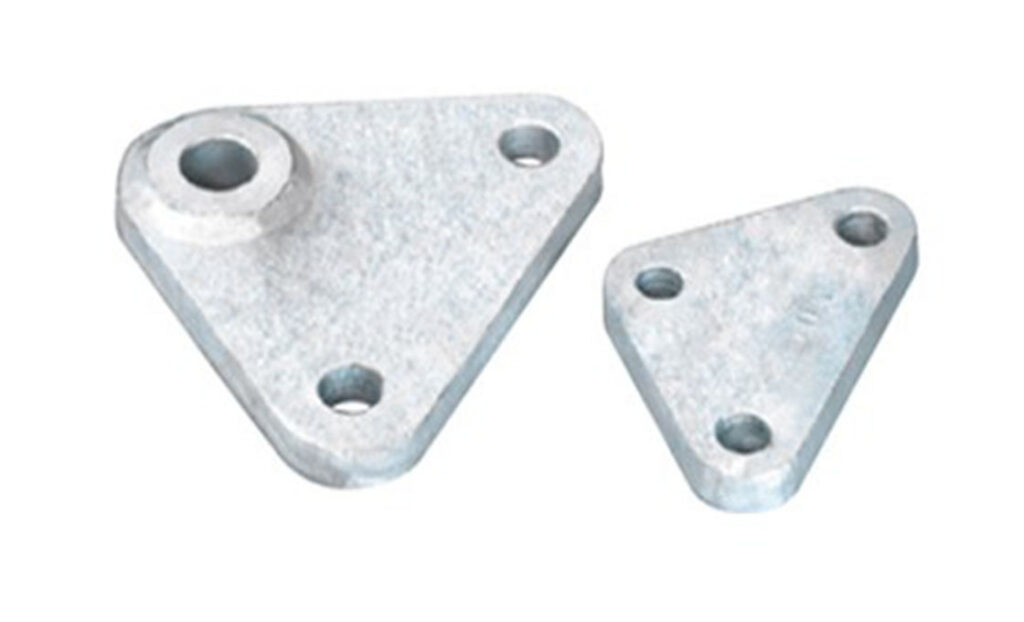
- Connecting insulator strings – the yoke plate serves as a central connection point, links insulators to conductors, and maintains proper spacing between insulator strings.
- Distributing mechanical loads – yoke plates distribute conductor tension and mechanical forces across connected hardware. They help balance loads distribution to increase transmission line hardware lifespan.
- Supporting high-capacity renewable energy transmission – the plates secure conductor assemblies, maintain hardware alignment, and support heavy mechanical loads.
- Enhancing structural stability – yoke plates enhance the structural stability of the infrastructure. This is by providing rigid connection points, supporting dynamic loading conditions, and reducing movement between connected components.
Impacts of Acciona Energia’s solar-plus-storage project in Chile
Acciona Energia’s BESS project integrates large-scale battery storage with an existing utility-scale solar facility. The project will impact electricity generation, grid operations, energy security, economic development, and decarbonization strategy. Key impacts in the energy sector include:
- Strengthening grid reliability – the integrated BESS will help stabilize grid frequency, support voltage regulation, and improve operational flexibility.
- Supporting higher renewable energy penetration – large-scale battery storage is crucial for integrating greater amounts of renewable energy into power systems. The project enables extra solar and wind capacity to connect to the grid.
- Reducing dependence on fossil fuels – BESS allows renewable energy generated during the day to be used during evening peak demand periods. The project can reduce operation of thermal peaking plants, lower fossil fuel consumption, and decrease greenhouse gas emissions.
- Enhancing energy security – the BESS provides extra operational reserves, backup support during grid disturbances, and improved resilience against generation shortages.