
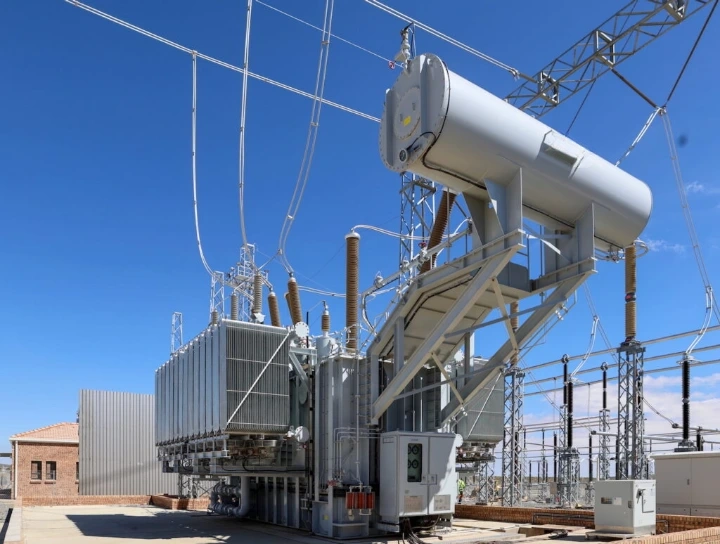
REN obtained Chile’s Transemel, taking ownership and operational control of 423 kilometers of transmission lines and five substations. This infrastructure is essential for the varied mining activities that emphasize the significance of the transmission network’s strategic value. Mining activities need large quantities of dependable electricity to operate extraction, processing, pumping, and transportation systems. Consequently, transmission infrastructure is crucial for ensuring the uninterrupted and reliable power supply required by the mining industry. Moreover, the demand for strong transmission infrastructure is growing along with the increase in renewable energy investments. Transmission lines and substations are essential for delivering electricity from generation locations to industrial plants. Transemel’s framework allows for the integration of new PV facilities, transmission of renewable energy sources, and enhancement of grid stability and reliability. Employing a line post stud in the setup facilitates the installation of line post insulators.
The line post stud allows the insulator to be mounted on transmission poles. It is common for deadend or angle poles where the conductor changes direction. The stud provides the necessary leverage to withstand the cantilever forces from the conductor’s tension. The line post stud also helps to mount and support rigid station bus bars. It ensures the insulator is firmly fixed to the steel support structure. It is robust enough to transfer dynamic loads from the insulator to the structure without fracturing. Line post studs keep the insulator in place to maintain a consistent distance between the live conductor and the grounded pole.
Quality assurance for line post studs in Chilean transmission and substation networks
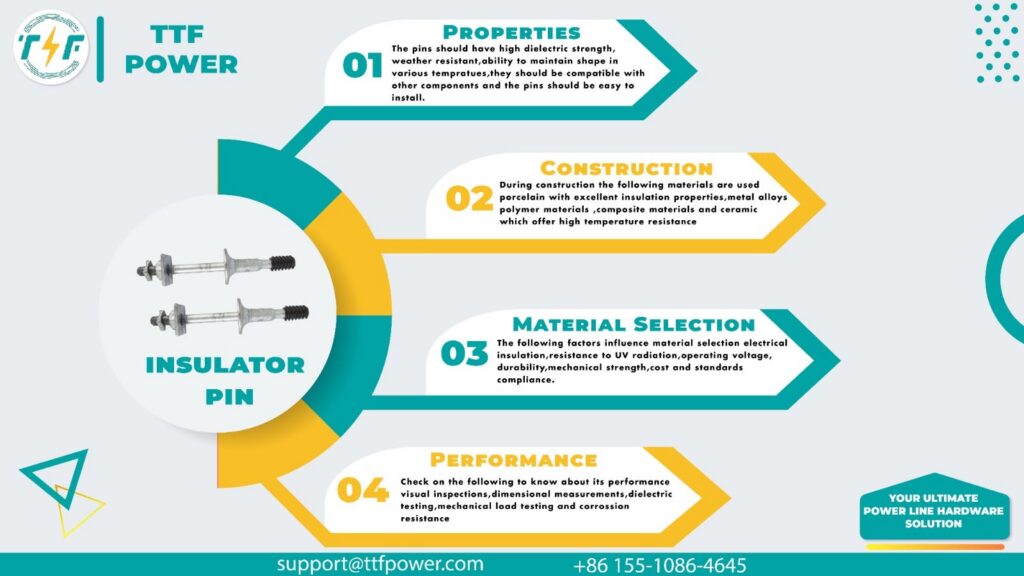
Line post studs secure line post insulators to supporting structures and ensure mechanical stability and electrical insulation under demanding operating conditions. Conducting quality assurance for the line post studs maintains network reliability, reduces maintenance costs, and ensures the safety of transmission and substation assets. A defective line post stud can compromise insulator stability and increase the risk of mechanical failure. It can also lead to outages, equipment damage, and safety incidents. QA processes include material verification, dimensional inspection, mechanical strength testing, and thread quality inspection. During manufacturing, QA includes forging operations, machining processes, thread cutting, heat treatment, and galvanizing.
The roles of the line post stud in transmission and substation networks
Line post studs secure line post insulators to poles, crossarms, switchgear structures, and substation equipment. They maintain the mechanical integrity and electrical performance of Chile’s transmission and substation infrastructure. Here are their key roles in the networks.
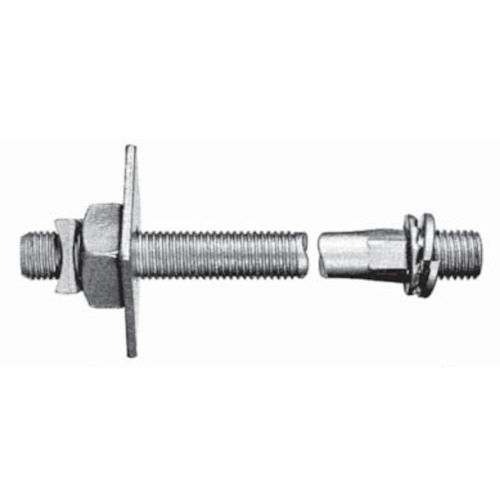
- Securing line post insulators – the line post stud provides a strong mechanical connection between the line post insulator and the support structure. It anchors the insulator and maintains alignment of conductors on poles.
- Supporting conductor loads—the post stud transfers these loads from the insulator to the supporting structure. It ensures the conductor system remains secure during normal and extreme operating conditions.
- Maintaining electrical clearance – line post studs maintain conductor spacing and preserve insulation distances. This maintains safe electrical clearances between energized conductors and grounded structures.
- Enhancing substation reliability—line post studs mount insulators that support busbars, disconnect switches, instrument transformers, and surge arresters. This contributes to the stability and reliability of substation equipment.
- Supporting renewable energy integration—solar and wind farms depend on transmission infrastructure for power delivery. Line post studs support this by securing insulators on transmission lines and supporting substation interconnections.
The functions of investments in Transemel’s transmission and substations throughout Chile
Funding in Transemel’s transmission networks and substations enhances Chile’s electrical framework. Investments contribute to economic expansion, ease renewable energy integration, and enhance grid dependability. Transemel’s network caters to areas noted for significant mining operations and the swift growth of renewable energy initiatives like solar energy. These investments bolster power supply dependability, aid the mining sector, increase grid capacity, and ease energy transition objectives. This will enable the transmission and substation systems to provide dependable, effective, and eco-friendly electricity nationwide.
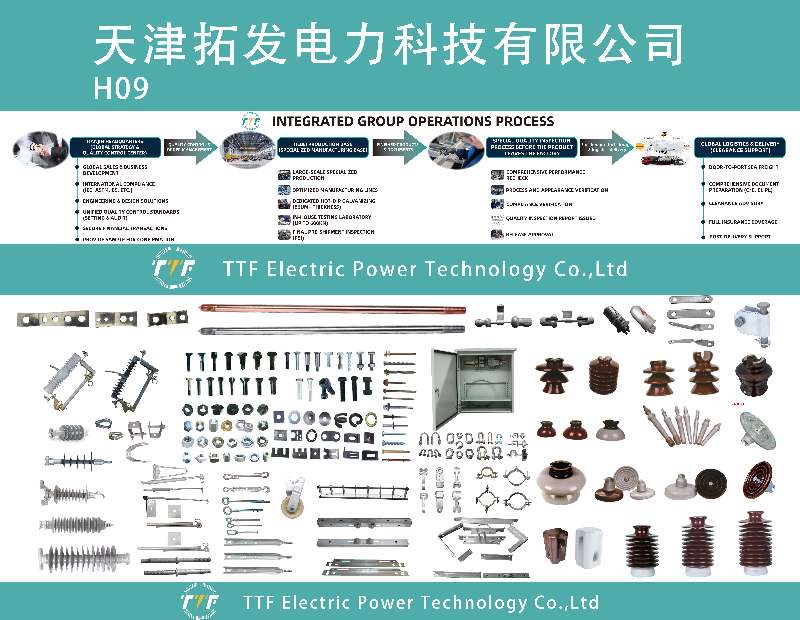
Materials for the line post stud
Materials used during the manufacture of the line post stud determine its mechanical strength and corrosion resistance. The materials selected must ensure the line post stud withstands mechanical loads and harsh environmental conditions while maintaining structural integrity. Common materials for the line post stud include carbon steel, forged steel, hot-dip galvanized steel, stainless steel, and alloy steel. These materials ensure the studs have high mechanical strength, corrosion resistance, fatigue resistance, and impact toughness.