
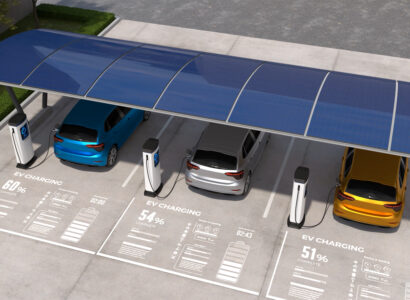
Chile is emerging as a leader in electric mobility with an increasing number of drivers adopting the use of electric vehicles. This shift arises from the increasing fuel costs, decarbonization goals, expanding renewable energy resources, and growing charging infrastructure. This change influences private vehicles, public transportation, commercial fleets, and logistics operations. This positions electric mobility as a contributor to the country’s energy and environmental objectives. Increasing petrol and diesel prices have encouraged consumers and businesses to explore EVs for lower operating costs. Electric vehicles offer reduced energy costs, lower maintenance expenses, fewer replacement parts, and longer service intervals. Additionally, Chile has significant renewable energy potential from solar and wind power. These resources will supply electricity to electric vehicle charging infrastructure. The investments in EVs will strengthen and support transportation electrification. Helical lead anchors serve as a high-performance alternative to traditional concrete foundations for electric vehicle charging stations.
Helical anchors provide a reliable and sustainable structural base for the charging equipment. The anchors securely anchor the EV charging station to the ground. They are engineered to support the weight of the charger and withstand environmental loads like high winds. The helix plates on the anchor act like a screw, pulling it down into load-bearing soil strata to provide reliable structural capacity. The anchors are designed to accommodate the specific bolt patterns of different charger models. Helical lead anchors reduce the installation time as compared to traditional concrete footings. The installation causes little vibration and does not produce any soil spoils. This reduces environmental impact and disturbance to the surrounding area.
Quality assurance for helical lead anchors used in electric vehicle infrastructure in Chile
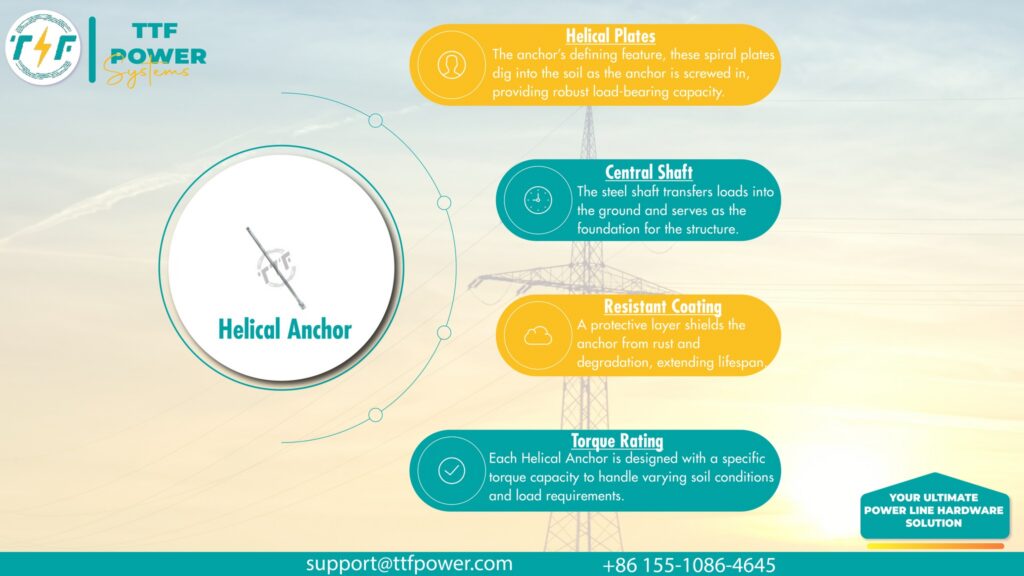
Helical lead anchors in electric vehicle infrastructure secure structural foundations for charging stations, equipment shelters, lighting systems, and supporting electrical assemblies. Quality assurance is crucial for these systems to ensure structural safety, load stability, and long-term durability. QA ensures that the anchors perform under axial, lateral, and dynamic loading conditions of EV infrastructure environments. The process includes material quality assurance, corrosion protection testing, dimensional inspection, and structural integrity inspection. It also includes load and torque performance testing, soil compatibility verification, installation QA, and documentation. Helical lead anchors in EV infrastructure support safe, scalable, and durable charging networks across Chile.
The functions of the helical lead anchors in electric vehicle infrastructure
Helical lead anchors secure structural and electrical assets in electric vehicle infrastructure. The anchors provide a foundation for variable soil conditions and high seismic-risk environments in Chile. They influence structural stability, installation speed, and reliability of EV charging systems and supporting infrastructure. Here are its functions in electric vehicle infrastructure.

- Structural foundation support for EV charging stations – the anchors provide stable foundations for EV charging installations. They support AC charging poles, charging cabinets, and modular charging units.
- Load transfer and ground stability – the anchors transfer vertical and lateral loads through their helical plates into deeper soil layers. They manage static loads from charging equipment, dynamic loads from winds, and operational loads.
- Support for renewable energy charging infrastructure – lead anchors stabilize solar canopy structures, PV mounting frames, BESS enclosures, and hybrid energy charging hubs.
- Support for modular and scalable infrastructure – helical anchors support scalable foundation systems, flexible layout adjustment for new equipment, and integration with prefabricated charging structures.
- Cable management and auxiliary equipment support – the anchors secure auxiliary infrastructure components. They secure cable support poles, lighting systems for charging areas, and communication towers for smart charging systems.
Challenges facing electric vehicle adoption in Chile’s transportation sector
The transition from internal combustion engines to electric vehicles faces structural, economic, and technical challenges. These affect private consumers, commercial fleets, and public transport operators. These slow full-scale adoption despite strong long-term policy direction and renewable energy advantages. Common challenges include:
- High upfront purchase costs – EVs are more expensive than conventional vehicles. This is due to battery manufacturing costs, import dependence on EV models, and limited local assembly capacity.
- Charging infrastructure gaps—key issues include concentration of chargers, limited availability in rural regions, and insufficient fast-charging corridors for long-distance travel.
- Grid capacity and distribution constraints—electric vehicle adoption increases electricity demand. This place puts pressure on distribution networks.
- Battery performance and lifecycle concerns – these include battery degradation, replacement costs, performance in extreme temperatures, and recycling.