
Zelestra, a global renewable energy provider, recently completed the 242 MWdc Babilonia solar PV project in Peru with a $176 million green financing transaction. Once completed, the project will have 700 MW of installed capacity, making it one of the largest solar centers in the country. The venture will contain 394,000 bifacial PV panels to provide electricity to households and businesses. This endeavor is part of Arequipa’s solar development cluster, which includes the 300-MW San Martin solar facility and the 125-MW San Joaquin solar venture. These plans will construct one of Peru’s largest solar centers to boost renewable energy generation. Major solar facilities affect production capability, grid systems, and transmission techniques, and the energy transition approach. These connections rely on sturdy power line components like compression splices
A compression splice is a connector that joins two lengths of electrical cable. It ensures that electricity flows through the connection without loss or risk of failure. Solar farms are made up of solar panels spread out across a broad region. The panels are linked together in long strings, with cables running from one to the other. Compression splices form low-resistance, permanent connections in collector lines. This ensures that the direct current electricity generated by the panels is sent to the inverters with no energy loss. Compression splices create a strong, waterproof junction. They ensure that the electrical connections are secure and reliable. Furthermore, they enable for faster and more secure field communications than prior approaches. This helps speed up the installation process and reduce the risk of connection failures.
Quality assurance for compression splices in solar installations
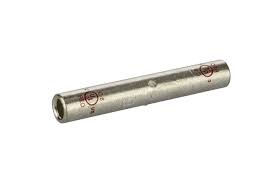
Compression splices connect and secure conductors in solar PV installations and electricity infrastructure. Compression splices protect the electrical continuity of cables in array wiring, combiner boxes, inverters, and grid interfaces. Ensuring quality assurance for compression splices assures their performance, safety, and lifespan. Compression splices for solar infrastructure consist of high-conductivity electrolytic copper and tin-plated copper alloys. These materials are subjected to quality checks, which include conductivity testing, material certification, and corrosion resistance. The quality assurance process involves precision manufacturing, mechanical strength testing, electrical performance testing, and corrosion resistance testing. These measures ensure secure conductor connections, reduce electrical losses, and enhance the reliability of PV power systems.
Zelestra’s solar project development in Peru uses compression splices
The Babilonia solar PV project requires electrical connections to transfer electricity from solar modules to the grid. Compression splices ensure electrical continuity, system efficiency, and grid stability. They improve the reliability and performance of large-scale projects. The compression splice serves the following functions in Peruvian solar project development.
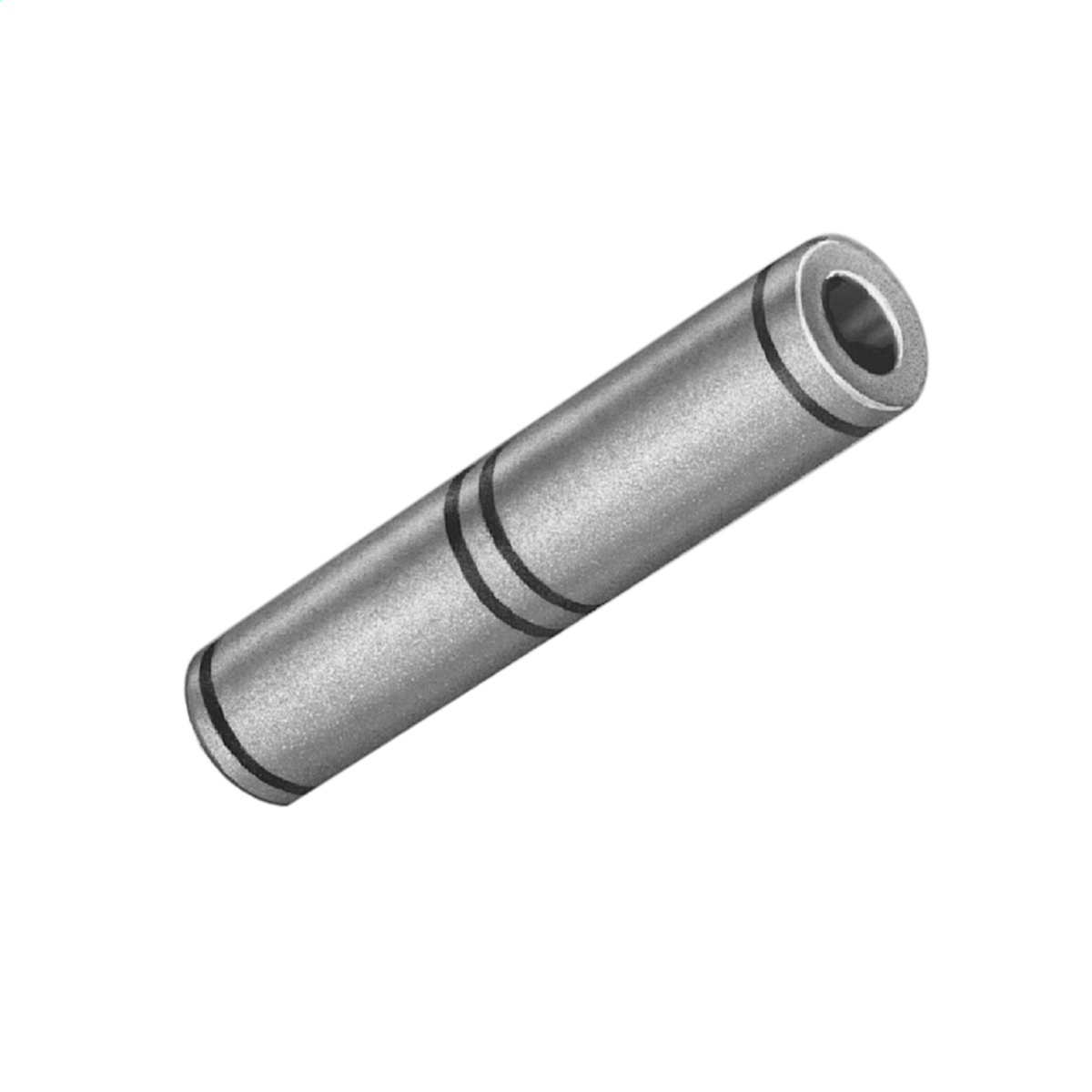
- Establishing reliable electrical conductor connections—compression splices apply mechanical compression that creates a low-resistance electrical pathway. They allow electricity from PVs to flow through the collection system.
- Reducing electrical resistance—compression splices create metal-to-metal contact, reduce voltage drops, and improve current-carrying efficiency.
- Supporting the PC collection system—compression splices connect distribution conductors within the array field. They also extend conductor lengths when routing cables across large solar arrays.
- Providing mechanical strength to cable connections—the splices create strong conductor joints resistant to vibration. They also prevent cable separation caused by mechanical tension. This mechanical reliability protects electrical equipment and reduces maintenance requirements.
- Improving system reliability—faulty cable connections cause electrical faults in PV plants. Using compression splices helps prevent these failures by reducing loose connections and maintaining stable electrical conductivity.
Infrastructure that enables the construction of solar installations in Peru
The creation of solar energy installations is contingent on the energy infrastructure system. The facility requires integrated solutions to improve power generation, transmission, grid integration, and operational dependability. Here is the framework for solar project development in Peru.
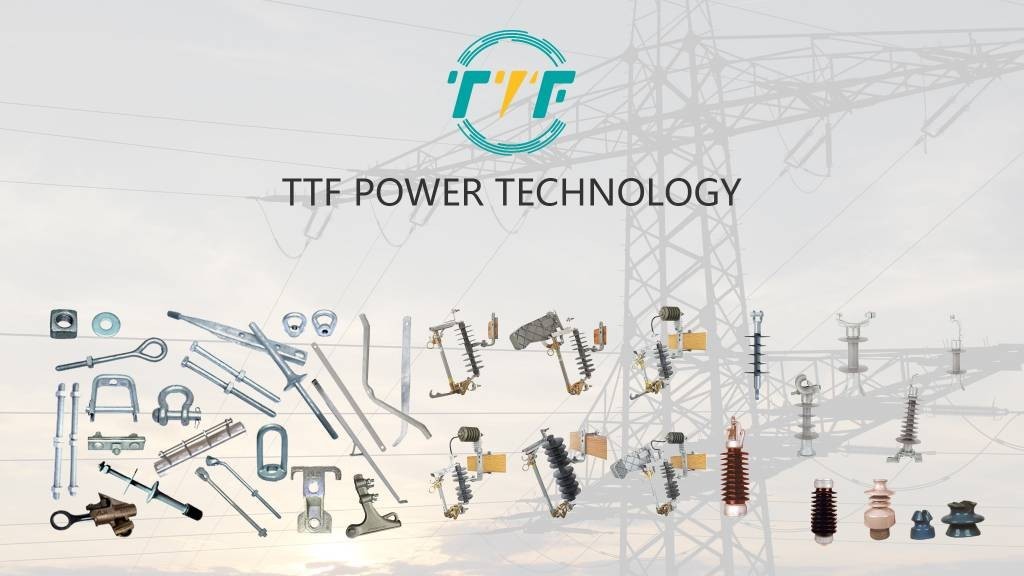
- Solar photovoltaic generation infrastructure—these consist of solar PV panels, solar mounting frameworks, solar tracking systems, and DC wiring along with combiner boxes.
- Power conversion infrastructure—this encompasses solar inverters, inverter stations, and systems for power control.
- Transformer and substation facilities—essential components comprise step-up transformers, collector substations, as well as protection devices and switchgear.
- Transmission line infrastructure—this infrastructure allows solar-produced electricity to reach consumption locations. This encompasses high-voltage power lines, transmission towers and associated hardware, conductors, and grounding systems