
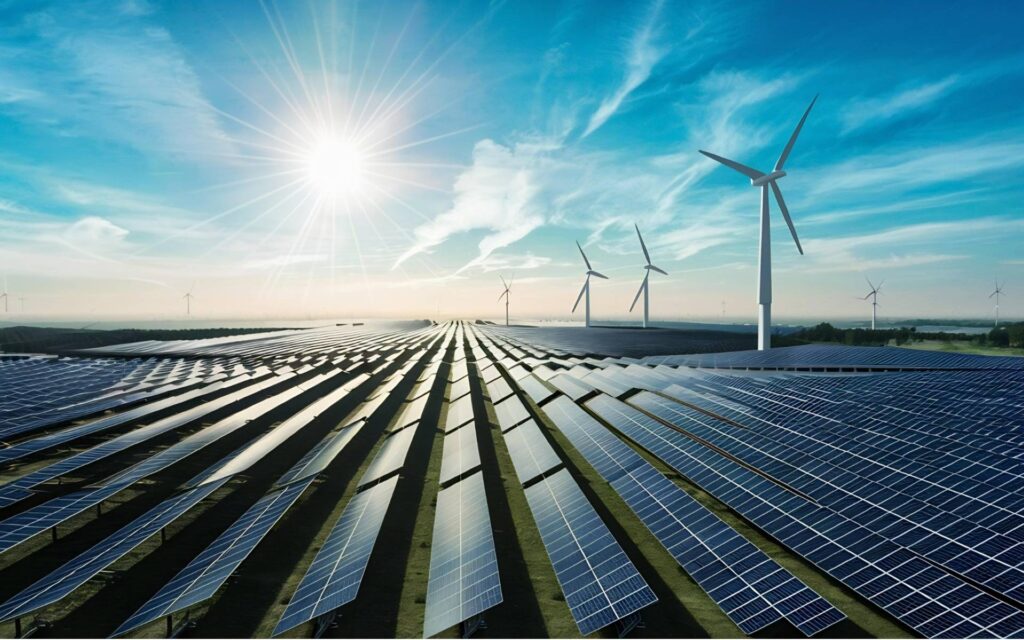
Actis, an investor focused on sustainable infrastructure, completed the sale of Orygen, a power generation group, to Grupo Romero. Orygen’s diversified infrastructure includes hydro, thermal gas, wind, and solar energy. The infrastructure may see further expansion of renewable assets to meet decarbonization targets. The industry may also optimize existing plants for efficiency and grid stability. Grupo Romero’s involvement may lead to infrastructure development that prioritizes domestic energy security and industrial demand. The transaction reflects an energy infrastructure that ensures continuity, localized growth, and sustained investment in reliable and renewable power systems. Investment in renewable energy infrastructure affects reliability, cost, resilience, and long-term competitiveness. The investments lead to upgrades in transmission networks, substation automation and smart grid systems, and integration of energy management systems. The upgrades improve grid efficiency and reduce technical losses. These developments and upgrades rely on robust hardware such as helical anchors.
High-quality anchors provide stability, durability, and ease of installation in the diverse and challenging environments. The anchors ensure the reliability of new energy projects by extension to support the growing investment in the sector. Helical anchors mount structures and mooring lines for floating solar panels. They provide durable, corrosion-resistant stability against wind and water movement. This enables quick and free installation in remote areas. The anchors secure foundations for drilling rigs, storage tanks, and other energy facilities. Helical anchors ensure structural stability and resistance to soil movement. They provide a low-impact, easy-to-install foundation solution. Helical anchors provide reliable anchorage where traditional foundations are impractical.
Quality assurance and materials for helical anchors used in renewable energy infrastructure
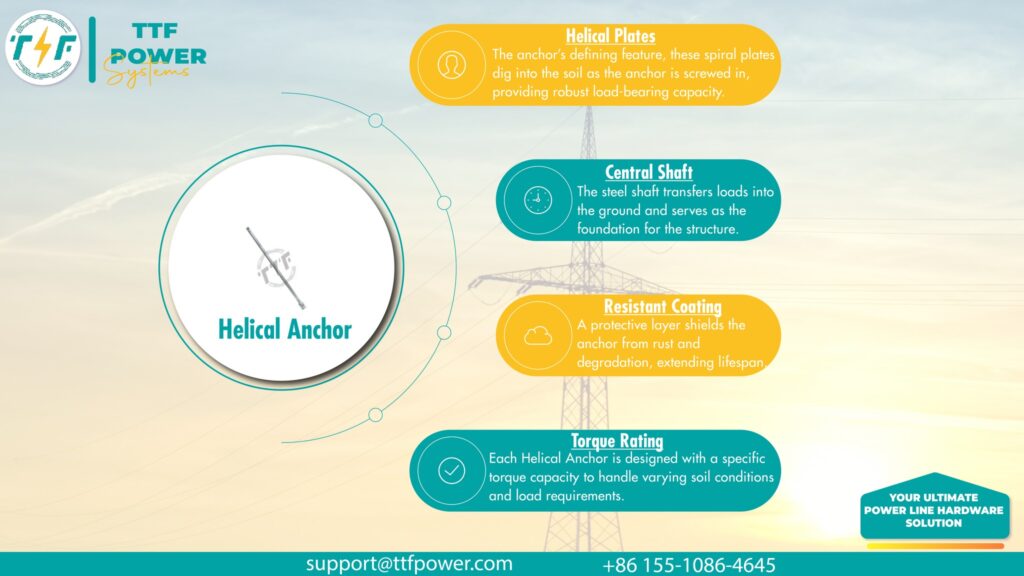
Helical anchors secure foundations in renewable energy installations for wind turbines and solar PV support structures. Their performance depends on material selection, manufacturing quality, and installation standards. Common materials for the helical anchors include carbon steel and high-strength alloy steels. Enhancing quality assurance ensures corrosion protection for long-term protection against atmospheric corrosion. The process includes material verification, dimensional and visual inspection, load testing, and corrosion testing. Using quality-assured anchors in wind turbines and solar PV installations ensures reliable foundation support and prevents structural failures that could disrupt grid reliability. Quality assurance ensures stability, durability, and safe operation across varied environmental conditions.
The roles of helical anchors in Peru’s renewable energy infrastructure
Helical anchors provide structural stability in wind and solar installations for Peru’s power transmission network. They are crucial in areas where soil conditions and environmental variability demand robust foundation solutions. The anchors ensure safety, operational efficiency, and resilience. Helical anchors provide load-bearing support, environmental durability, rapid deployment, and protection against seismic and wind forces. Here are the functions of the helical anchors in renewable energy infrastructure.
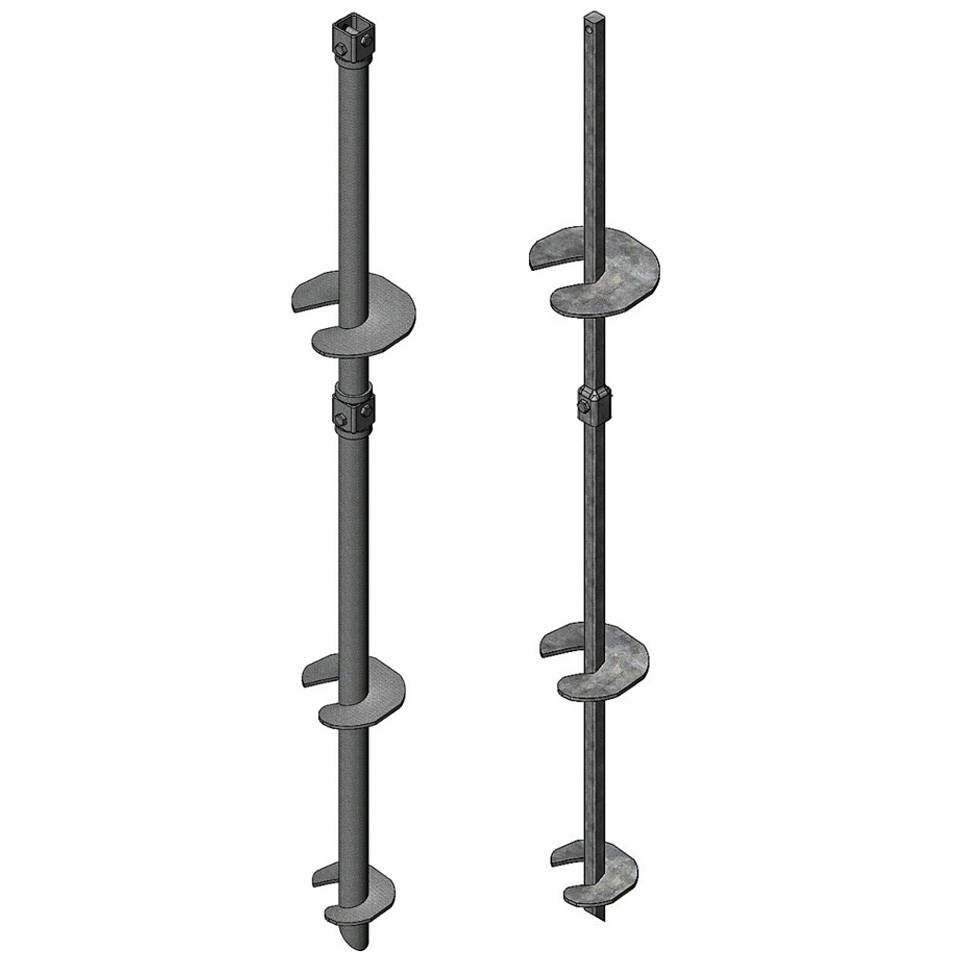
- Structural support and load bearing—helical anchors stabilize wind turbine towers against high lateral and vertical loads caused by wind and seismic activity. They distribute the weight of racking systems over variable soil conditions.
- Flexible foundation solutions—the anchors reduce the need for deep concrete foundations. They are effective in soft alluvial soils, rocky highlands, and coastal sandy terrains. The anchors support modular solar or wind farm expansions without extensive civil works.
- Corrosion and environmental resilience—galvanized anchors protect against alkaline and high-moisture soils. Their material and installation quality prevents foundation degradation for long-term renewable asset reliability.
- Energy infrastructure reliability—helical anchors maintain optimal operational alignment to ensure maximum energy capture and efficient system performance. They reduce maintenance frequency and costs by preventing structural movement, misalignment, or failure in harsh weather events.
Potential barriers to renewable energy infrastructure expansion in Peru
Expanding renewable energy infrastructure in Peru faces technical, financial, regulatory, and environmental barriers. These can slow project development and affect long-term grid integration. To overcome these barriers, utilities should integrate proper planning, investment in transmission and storage, policy stability, and community engagement to unblock clean energy potential. The potential barriers include:
- Regulatory and policy barriers—these challenges include changes in energy policy, lengthy permitting processes, and grid access limitations. These prevent renewable projects from connecting efficiently to the national grid.
- Financial and market challenges—utility-scale solar, wind, and hybrid projects need substantial investment in equipment and grid integration. It also includes variability in electricity market prices, dependence on PPAs, and foreign exchange risk that can impact project viability.
- Technical and infrastructure constraints—integrating intermittent renewables needs upgrades in transmission, substations, and energy management systems. Lack of large-scale storage or pumped hydro facilities reduces the ability to balance intermittent generation with demand.