
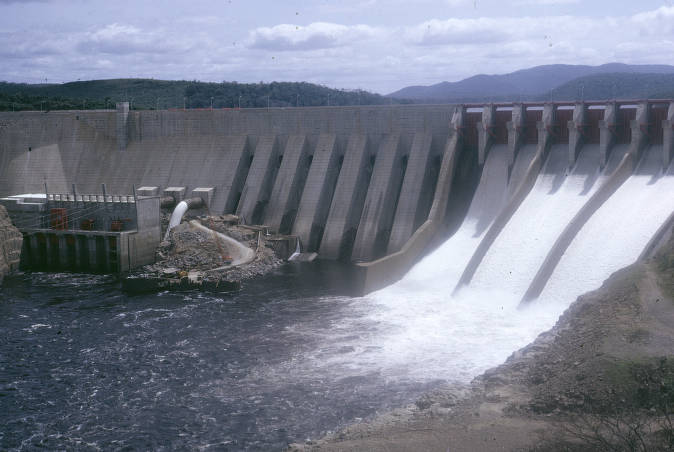
The Guri dam provides 60-70% of Venezuela’s power, integrating into the main electricity system. This integration is crucial due to over-reliance, poor maintenance, and climate risks. Guri Dam has an installed capacity of 10,200 MW that forms the backbone of Venezuela’s hydropower-dependent grid. This integration into the main grid helps reduce reliance on fossil fuels. The integration demands an upgraded system, substations, voltage regulation, and backup systems. Venezuela can also invest in solar, wind, and natural gas to reduce reliance on Guri. It is also crucial to end electricity subsidies for high consumption users to fund grid repairs. It could also attract foreign investment for infrastructure projects in Venezuela. These reforms and efforts will help the country overcome climate and operational risks. Stay rods provide stability, alignment, and load-bearing support to key mechanical and structural systems.
Stay rods in the Guri Dam anchor and stabilize turbine housing, generators, and other heavy equipment. They prevent vibration-induced misalignment to ensure smooth operation of rotating machinery. Stay rods function in large pipes delivering water to turbines and spillway gates. They help withstand water pressure, seismic forces, and mechanical stress over time. Stay rods secure transformers, busbars, and switchgear in substations connected to hydropower plants. They ensure electrical clearance and prevent short circuits caused by shifting equipment. Many stay rods in Venezuelan plants are decades old and may suffer from corrosion and metal fatigue. Failures can lead to turbine shutdowns that worsen power shortages. Broken or loose stay rods can cause catastrophic misalignment, demanding costly shutdowns for repairs.
Functions of stay rods in Venezuelan hydropower production
Stay rods play a crucial role in securing electrical and mechanical systems connected to large hydropower plants like Guri and Caruachi. Stay rods are steel rods used in power line infrastructure to anchor and stabilize poles, towers, or other structures. They connect to stay wires that balance mechanical forces from conductors, wind, and tension to keep vertical structures secure. Hydropower needs stay rods that have high tensile strength, corrosion resistance, threaded ends, and easy integration with existing guy wire systems. They help stabilize transmission infrastructure that carries electricity from dams to cities and industries. They ensure consistent power flow, structural safety, and long-term grid reliability. Here are the functions of the stay rods in hydropower production.
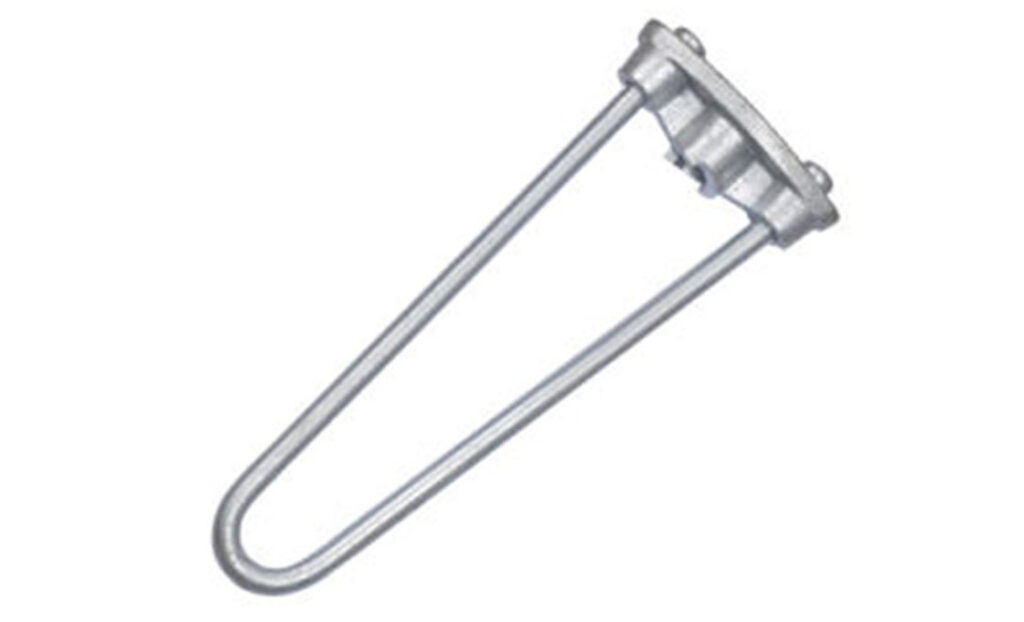
- Reinforcing transmission line stability—stay rods anchor poles and towers that support high-voltage lines. They prevent structural collapse or misalignment, which causes power outages.
- Withstanding harsh environmental forces—stay rods help transmission structures withstand dynamic environmental forces. They ensure continued operation of power lines in extreme weather conditions.
- Reducing line sag and electrical loss—the rods reduce conductor sagging that causes electrical resistance and energy loss. Their mechanical stability contributes to improved power delivery performance.
- Enabling safe expansion of hydropower infrastructure—new substations, transformers, and transmission corridors help expand renewable energy capacity. Stay rods anchor new electrical structures to ease safe installation of hydropower output lines.
Challenges facing hydropower integration into Venezuela’s electrical grid
Hydropower integration presents a series of technical, environmental, and systemic challenges. These affect the reliability, efficiency, and sustainability of the energy sector. The national grid suffers from instability, blackouts, and inefficient energy distribution. Hydropower’s potential is undermined by infrastructure decay, environmental stressors, and system mismanagement. The country should thus modernize the grid, invest in storage solutions, diversify the energy mix, and enhance security and workforce capacity. These challenges include:
- Aging infrastructure—Venezuela’s hydroelectric power plants and transmission systems are mostly outdated. Outdated turbines, transformers, and switchgear cannot support efficient grid synchronization.
- Weak and overburdened transmission grid—the transmission grid is too fragile to deliver it reliably across the country. Key issues include overloaded substations, voltage fluctuations, and insufficient redundancy.
- Lack of grid automation—the national grid lacks advanced SCADA systems, real-time sensors, and digital controls. This results in slow responses to grid faults, poor demand forecasting and load balancing, and an inability to fully use the variable output.
- Limited energy storage capacity—hydropower can provide base-load power without battery energy storage systems. The absence of grid-scale storage limits flexibility and resilience in the country.
- Poor integration with other energy sources—the country has minimal integration with solar, wind, or gas-based peaker plants. Without this integration, the grid becomes overdependent on hydro and lacks the agility to adjust to water shortages and expand electrification in underserved regions.