

Solar DQD, an Argentine company specializing in solar development and engineering, procurement, and construction, stated its aim to acquire 400 MW of owned solar capacity by 2026’s end. The nation has established itself as Argentina’s top utility-scale solar EPC contractor, boasting over 1.2 GWp of solar installations. The company has recently completed Argentina’s largest solar park, El Quemado, which was developed by YPF Luz. The project is presently being built, with 100 MW already in commercial operation. The project included the setup of over 550,000 solar panels and 40 transformation stations in Mendoza. Upon finalization, the facility will meet an installed capacity of 360 MW. Moreover, the Pampa del Infierno solar plant, boasting 150 MWp, integrated the plant into the grid following the installation of over 220,000 solar panels. The infrastructure facilitating solar development requires the employment of stay insulators. Utilizing it guarantees safety, dependability, and effectiveness
Stay insulators enhance the structural and electrical safety of solar photovoltaic installations in Argentina. Solar installations rely on guy wires to stabilize PV panel support structures and mounting posts. Stay insulators work with the guy wire to prevent it from becoming a live conductor in case of contact with a faulty component. The insulator helps localize and control the grounding system.
Guy wires act as lightning arresters, while the stay insulator helps isolate and limit propagation of surge currents through the guy wire system. It protects connected structures and reduces the risk of side-flashing to equipment. It is crucial to use the stay insulator in grid interconnections for anchored structures within a PV plant. The insulator breaks the metallic connection to slow down electrolytic corrosion at connection points. Electrical insulators are also designed to withstand the mechanical tension of the guy wire.
Stay insulators in solar photovoltaic installations in Argentina
Stay insulators provide structural safety and electrical isolation where PV systems interface with utility poles and mounting structures. The insulators are from porcelain, glass, or composite materials with high dielectric strength. They provide electrical insulation and mechanical support where stay wires connect to the structures. They prevent unintended electrical conduction along guy wires in case of conductor failure. Here are the functions of the stay insulators in solar PV installations.

- Electrical isolation of wires—stay insulators prevent stay wires from being energized. The insulators ensure that the tensioned cables do not conduct current to ground. The insulation reduces the risk of electrical shock to maintenance personnel.
- Structural support and tension management—stay insulators function on guy wires that anchor support poles for solar arrays, trackers, and communication equipment. They ensure that the mechanical tension of the guy wire is maintained without creating an unintended electrical path.
- Safety in case of structural failure—stay insulators help ensure that the broken guy wires remain electrically isolated from the live conductors. This is crucial in PV installations that are part of the microgrids or distributed energy systems.
- Environmental durability—stay insulators can withstand corrosion, humidity, UV exposure, and temperature variation. The insulators help reduce maintenance interruptions and promote long service life.
Solar advancements bolstering Argentina’s development
Argentina’s solar industry is witnessing growth fueled by increased project implementations. The expansion is also stemming from technological, business, and systemic advancements. These enhance efficiency, lower expenses, and ease wider adoption. Utilizing stay insulators ensures accuracy, adaptability, and security in contemporary PV setups. The developments drive utility-scale projects and distributed generation, establishing Argentina as an emerging solar market. These technologies include:
- Cutting-edge PV technologies—solar DQD employs high-efficiency photovoltaic panels and sophisticated system elements. These encompass the implementation of bifacial solar panels along with efficient inverter and tracking technologies.
- Smart energy management combined with energy storage systems allows solar installations to provide more reliable power. This encompasses AI-based storage enhancement and combined solar and storage initiatives.
- Enhanced mounting—engineering advancements in mounting equipment and structural elements lead to quicker installation. These innovations lower balance-of-system expenses to maintain competitive solar pricing.
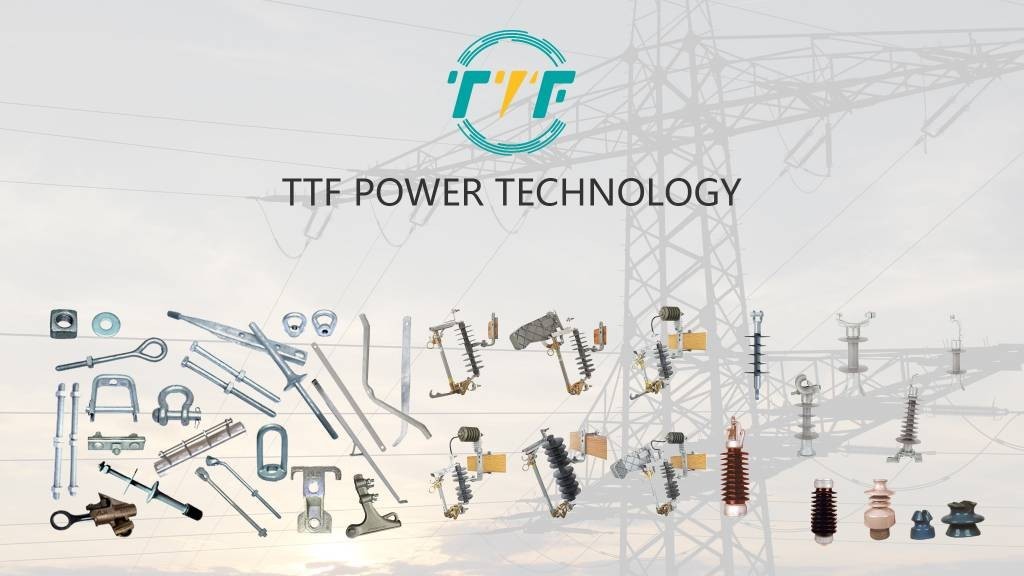
- Assisting hybrid and storage systems—solar-plus-storage and hybrid energy setups need backing from the Y-clevis eye. The clevis fastens extra frames, cable brackets, and anchorage systems. It also aids in incorporating extra structural components without altering the main supports