

With the growing share of renewable energy sources, Argentina aims to generate 30% of its electricity from renewable sources by 2030. The Future Energy Summit Argentina aims to reshape power generation, infrastructure investment, and market dynamics across the country. The renewable target is shifting the country from heavy reliance on thermal generation such as natural gas and fuels. The country has large-scale wind projects, solar plants, and optimization of hydroelectric assets. These help diversify the generation mix, reduce exposure to fuel price volatility, and improve long-term energy security. The diversification strengthens system resilience while reducing the carbon intensity of electricity production. Achieving the set targets demands upgrades to transmission and distribution networks. This includes deployment of grid reinforcement technologies, high-voltage transmission lines, and substations. Using distribution arresters helps protect the equipment from faults and lightning strikes.
Distribution arresters ensure the reliability and longevity of renewable energy and decarbonization infrastructure. Using the arrester enables the expansion and reduces lifecycle carbon costs. The arresters protect sensitive and expensive equipment from transient overvoltages. These may arise from lightning strikes, switching operations, and faults. These conditions may cause failures in inverters, step-up transformers, SCADA systems, and battery energy storage systems.
The arresters help maintain the integrity of the local distribution grid that connect decentralized renewable resources. They prevent failures in transformers and other grid equipment due to surges. The arresters also reduce the frequency and duration of outages and voltage sags. Grid disturbances from the faults may force inverters to trip offline and reduce the actual clean energy fed into the grid. Distribution arresters provide protection to enable reliability, financial viability, grid integration, and longevity.
Investments in renewable expansion and decarbonization goals in Argentina

Investment in this sector plays helps transform policy targets into operational capacity. Sustainable investments are shaping the structure, resilience, and competitiveness of the energy sector. Domestic and foreign investments finance project development, equipment procurement, construction, and grid interconnection. Significant investment is also crucial for transmission lines, substations, and distribution networks. This helps to connect renewable areas to demand centers. Modernization enables higher renewable penetration while maintaining system stability and reducing congestion losses.
Functions of the distribution arresters in renewable energy expansion in Argentina
Distribution arresters ensure the reliability of distribution networks that connect wind, solar, and hydroelectric generation to end users. Distribution arresters protect grid assets as renewable penetration increases. The arresters are hence essential to the resilience and scalability of renewable energy infrastructure in Argentina. Here are its functions in renewable energy infrastructure.

- Protection against lightning and switching surges—distribution arresters protect transformers, insulators, conductors, and switchgear from lightning strikes and switching overvoltages. They reduce equipment damage and unplanned outages.
- Enhancing grid reliability for variable renewables—renewable generation introduces frequent changes in voltage and power flow direction. The arresters help maintain voltage stability by reducing transient overvoltage that occurs during rapid load changes.
- Asset protection and lifecycle cost reduction—distribution arresters extend equipment lifespan and lower maintenance and replacement costs. This contributes to improved project economics and enhances the likeability of renewable energy development.
- Supporting grid expansion in remote renewable areas—distribution arresters allow safe operation of long rural feeders and weak grids. Their deployment supports network expansion into remote areas without compromising reliability.
Impacts of renewable expansion on Argentina’s energy sustainability
The expansion of renewable energy influences Argentina’s energy sustainability by reshaping electricity generation, transmission, and consumption. The effects range beyond emissions reduction to cover economic resilience, system reliability, and long-term energy security. Here are the impacts of renewable expansion in Argentina.
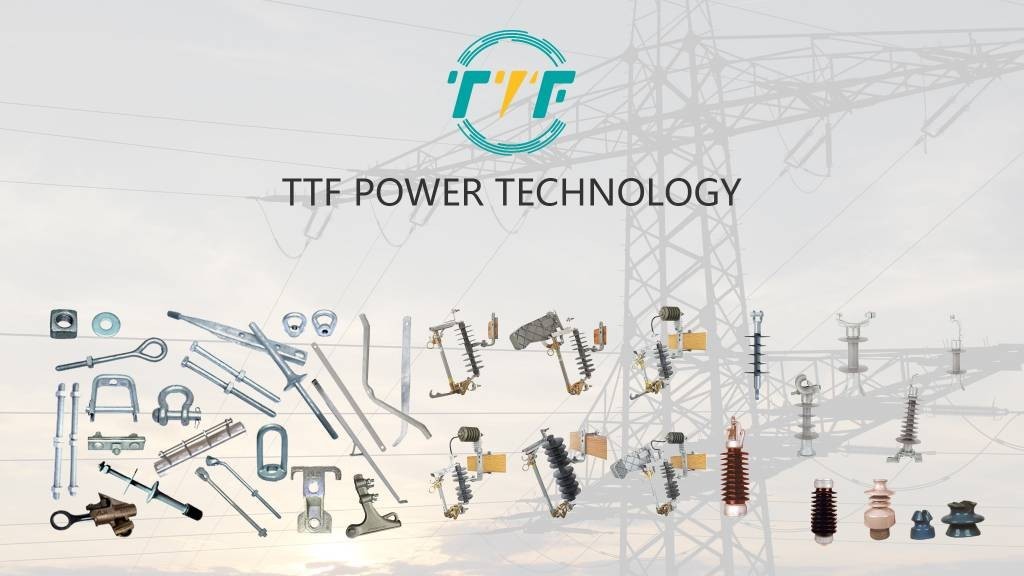
- Reduced carbon emissions—increased deployment of wind and solar generation displaces fossil-fuel-based electricity. It reduces the use of gas-fired thermal plants and reduces the carbon intensity of the grid.
- Enhanced energy security and reduced fuel dependence—renewable energy strengthens energy security and stabilizes long-term electricity costs. This helps Argentina reduce its exposure to fuel imports and price volatility.
- Improved grid resilience and system flexibility—renewable expansion drives investments in modern transmission infrastructure, energy storage, and digital grid technologies. Distribution arresters protect the grid to enhance the ability to integrate variable generation.
- Support for long-term infrastructure sustainability—renewable expansion encourages the deployment of durable and low-maintenance infrastructure. It leads to investments in corrosion-resistant hardware, smart substations, and predictive maintenance systems. This reduces long-term operational risks and enhances infrastructure reliability.