

Chile is driving the move to renewable energy in South America and beyond. It benefits from the highest percentage of green energy penetration in its electrical grid. Solar and wind power generate 39.5% of the country’s electricity. This means renewable energy outperforms thermal generation (36.8%) and hydrogen (21.3%). Chile is establishing lofty goals and achieving them via persistent legislative support, technical innovation, and private investment. This leads to the expansion and development of extra supporting infrastructure. This comprises power transmission lines, roadways, grid upgrades, and energy storage devices. These systems need the use of power hardware components like guy deadends. Guy deadends end and anchor transmission lines, preventing movement at a specified spot.
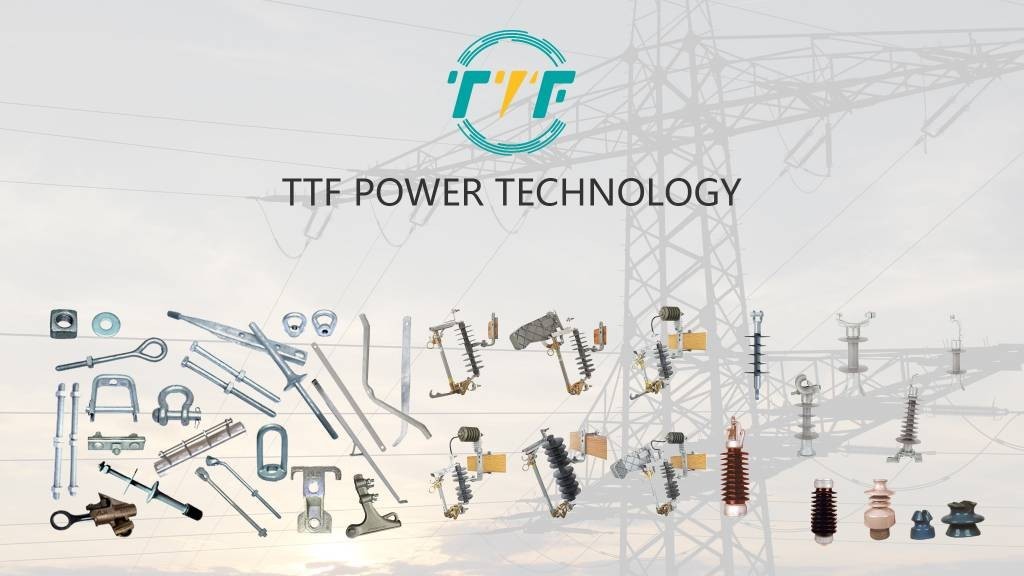
The formed wire deadends are made up of a ground anchor and steel wires that connect it to the transmission pole. When the transmission line changes direction, that pole receives the full draw of the line. Using guy deadends absorbs imbalanced stresses and keeps the structure from collapsing. This makes them essential components for the winding lines of the Andes or the vast, straight lines of the Atacama Desert. The guy terminates the function at the first and last towers of a line section to give a solid, immovable point at the intersections.
A rigid grid is essential for Chile’s seismic and varied environmental circumstances. The guy deadends offer regulated flexibility and tension management. Their design absorbs some shock and movement. This increases the resilience of the transmission infrastructure against earthquakes. The guy deadends provide a secure anchor point for the transmission line, allowing for safe sectioning. The use of guy deadends is critical for a reliable and robust network for transmitting renewable energy from generation to consumption locations.
Infrastructure benefits that help Chile’s green energy successes.

Chile has invested in upgrading its transmission networks, storage systems, and renewable energy installations. This produced a conducive climate for large-scale clean power integration. Chile has completed the linking of its two main grids, creating the National Electric System (SEN). This unified grid enables more efficient power distribution, lowers energy losses and generation costs, and improves system resilience. There are active transmission projects, such as new 500 kV lines and flexible alternating current systems (FACTS), that will increase Chile’s ability to handle expanding renewable capacity. Furthermore, the increasing renewable capacity necessitates energy storage systems. These balance supply and demand, improve grid flexibility, and aid in frequency regulation. Guy deadends provide for reliable, durable, and safe renewable energy transmission throughout Chile.
Purpose of guy deadends in Chile’s green energy infrastructure.
Guy deadends are critical to the infrastructure sustaining Chile’s renewable energy network. They are critical in the design and stability of transmission and distribution networks. These systems link solar, wind, and hydroelectric plants to the national grid. Here are the functions of the individual who ends up in Chile’s green energy infrastructure.

- Structural stability for transmission poles—guy deadends are the mechanical components used to anchor and stabilize poles supporting overhead power lines. Guy deadends prevent leaning, buckling, or collapse of poles and lattice towers.
- Tension management and load distribution—guy deadends distribute and balance the mechanical loads created by conductors and environmental stressors.
- Protection of high-voltage conductors—the deadends secure the termination points of conductors and maintain electrical clearance. This reliability is crucial in Chile’s growing renewable energy grid.
- Supporting grid expansion and reliability—guy deadends ease long-distance transmission line construction in remote renewable energy zones.
Renewables contribute to Chile’s green energy successes
Chile has a diverse range of renewables to support its green energy achievements, resulting in a low-carbon, dependable electrical supply. These sources bolster Chile’s status as a regional leader in renewable energy integration and innovation. Guy deadends help build, operate, and expand infrastructure that delivers clean energy to the grid. These sources include:
- Hydropower—hydropower balances intermittent solar and wind power to ensure grid stability. It also provides energy storage through reservoirs acting as a natural battery for the system.
- Geothermal energy—this energy offers continuous generation, low carbon emissions, and regional diversification.
- Biomass and biogas—by converting waste into usable electricity and heat, biofuels promote a circular economy. It also provides local jobs and sustainable power generation, aligning with Chile’s decarbonization goals.
- Green hydrogen—green hydrogen production enables decarbonization of hard sectors. These include transport, mining, and heavy industry. It also provides opportunities for clean fuel exports to strengthen Chile’s economy and global influence in the energy transition.