
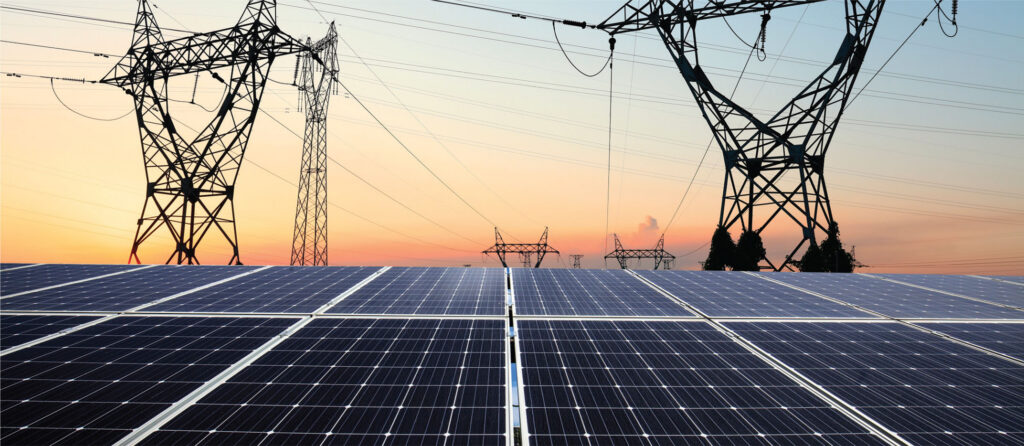
Argentina plans to expand the Argentine interconnection system (SADI) with the technical specifications finalized and awaiting approval from the presidential palace and the Secretariat of Energy. The project marks a step toward strengthening grid reliability, increasing transmission capacity, and supporting the growing electricity demand. The SADI connects power generation facilities with distribution systems across Argentina. The lack of proper transmission infrastructure limits the expansion of renewable energy such as wind farms and solar PV plants. The AMBA I project includes the construction of 500kV transmission lines, the installation of 220kV transmission lines, a transformer station, and 500 km of transmission infrastructure. This will include high-voltage transmission lines, transmission towers, formed wire deadends, ground wires, OPGW communication systems, insulator strings, and control systems. These components will improve power transfer capability throughout the Buenos Aires Metropolitan Area. Formed wire deadends securely terminate and anchor conductors under high tension on high-voltage transmission lines.
Formed wire deadends have a helical grip designed to distribute mechanical stress to protect the conductor from damage and fatigue. The deadends anchor the end of a conductor at terminal structures, deadend towers, and section points. They transfer the full tensile load of the conductor to the support structure. This ensures a stable and secure line end critical for building new transmission lines to connect renewable energy sources. Preformed deadends use helically wrapped rods to create a uniform grip. This prevents strand damage, fretting, and fatigue at the termination point. Additionally, the deadends maintain a consistent, non-slip grip and handle dynamic conditions without mechanical degradation. Formed wire deadends anchor power lines to poles, transmission towers, and substations that supply energy to copper and gold mining operations.
Quality assurance for formed wire deadends used in Argentina’s transmission works
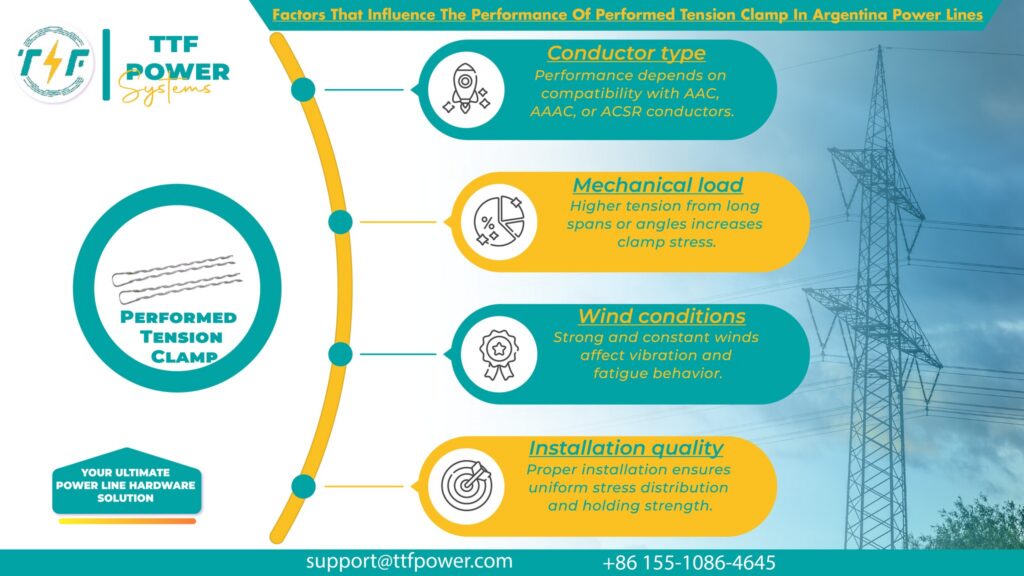
The AMBA I project will help expand the Argentina interconnection system (SADI) in Argentina. This development will use essential fittings such as the formed wire deadends that provide secure mechanical termination of conductors and shield wires without damaging the strands. Formed wire deadends transfer high tensile loads from conductors to towers and insulator assemblies. Their quality affects the safety, reliability, and lifespan of the transmission network. Conducting quality assurance ensures the deadends meet mechanical, dimensional, and environmental performance requirements. QA helps detect defects that lead to conductor slippage, excessive mechanical stress, or line failure. It ensures the deadends achieve its specified holding strength, fits the designated conductor, maintains uniform pressure along the conductor, and resists corrosion. The deadends undergo material verification, precision manufacturing, dimensional inspection, mechanical load testing, and corrosion resistance evaluation.
Significance of the formed wire deadends in Argentina’s transmission networks
Argentina’s SADI expansion relies on reliable overhead transmission hardware to ensure a stable and efficient electricity supply. Formed wire deadends serve on the infrastructure to terminate and secure conductors, shield wires, and optical ground wires without causing mechanical damage. Here are their roles in transmission networks.
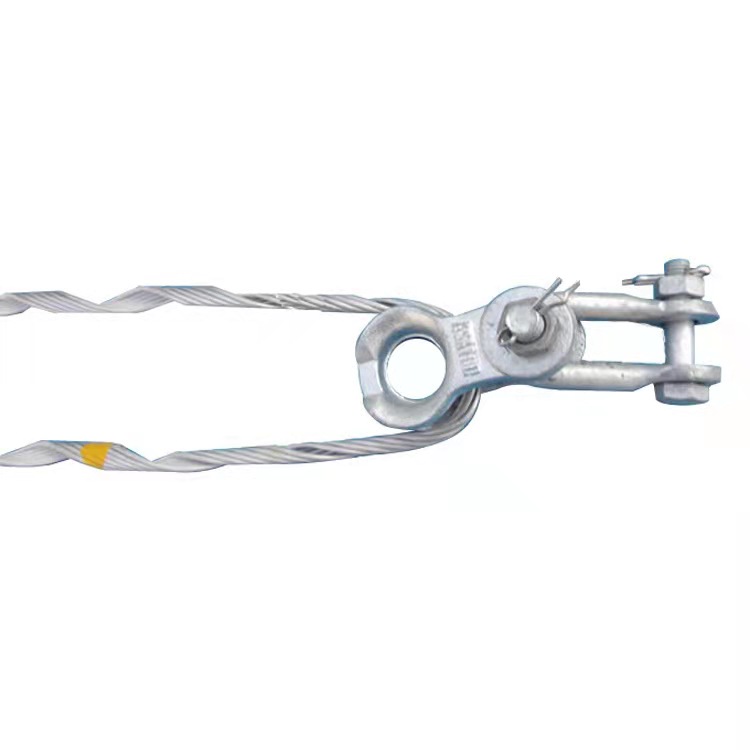
- Secure conductor terminations—formed wire dead ends terminate conductors at the end of a transmission line. It grips the conductor, transfers tensile loads, prevents conductor slippage, and maintains mechanical stability.
- Maintain conductor tension – preformed deadend grips maintain designed sag levels, preserve conductor clearance, and prevent excessive conductor movement.
- Transfer mechanical loads to transmission structures – the deadends transfer tensile forces from the conductor to the deadend towers, strain towers, angle towers, and anchor structures.
- Improve transmission line reliability – reliable conductor termination contributes to network reliability. The deadends reduce conductor slippage, mechanical failures, unplanned outages, and emergency maintenance.
Transmission works supporting renewable energy integration in Argentina
Argentina is expanding its renewable energy sector to diversify its electricity mix, improve energy security, and reduce greenhouse gas emissions. Its success depends on strengthening the transmission network that delivers electricity from the generation sites to demand centers. This is how the project supports renewable energy integration.
- Connecting renewable energy projects to the grid—the transmission network creates extra high-voltage lines connecting renewable sites to the grid.
- Increasing transmission capacity—adding the 1,000 MW of transfer capacity accommodates new renewable power plants and transports larger volumes of electricity.
- Energy diversification—expanded transmission infrastructure supports Argentina’s energy diversification. This is by enabling the integration of wind energy, solar PV power, and emerging renewable technologies.
- Enabling advanced grid technologies—new transmission projects use modern technologies that improve renewable integration.
- Strengthening investment in renewable energy – expanded transmission networks provide improved grid access, reduced connection delays, and higher investor confidence.