
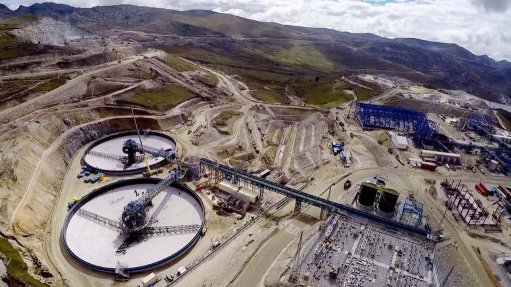
The shift to green energy in Peru is vital for advancing industries such as copper, electric vehicles, solar, and wind infrastructure. Copper’s exceptional conductivity, longevity, and effectiveness render it essential for renewable energy systems, grid development, and electric transportation. It is crucial for connecting motors, transformers, and transmission lines. Each megawatt of installed solar or wind energy requires significantly more copper than fossil fuel power plants. Power grids need to be enhanced to accommodate varying loads. This type of power requires cabling made of copper, along with substations and storage systems. Peru ranks as the second-largest copper producer globally, which allows it to take advantage of the increase in demand. The nation is increasing solar and wind initiatives to broaden its energy sources, aiming to lessen dependence on hydropower and fossil fuels. Copper mining operations in Peru are also fueled by renewable energy. Dead-end insulators guarantee the reliability, safety, and efficiency of high-voltage transmission lines transporting renewable electricity from the source to copper mines
Quality insulators end a straight run of electrical conductor to handle a change in direction of the line. Dead-end insulators must withstand the full mechanical tension or pull of the conductor. Copper mines are turning to contracts with large-scale solar and wind farms to reduce their carbon footprint. Dead-end insulators ensure that massive amounts of renewable power generated in remote locations can be delivered reliably to the mine. They allow the line to change direction, maintain proper clearance from the ground, and ensure the conductors remain intact. The diverse geographic conditions in Peru, like the Andes mountains, present elevation changes and seismic activity that demand dead-end insulators.
The role of dead-end insulators in green energy powering copper mining in Peru
Mining operations are turning to green power sources such as solar, wind, and hydropower. This is as the country ramps up copper production to meet the surging global demand for renewable energy and electrification. A dead-end insulator is a set of insulators and hardware designed to handle massive mechanical tension. Dead-end insulators aid in efforts aiming to reduce carbon footprints in copper mining. Transmission and distribution infrastructure need dead-end insulators, which are crucial for powering large-scale mining operations. The insulators help withstand mechanical stress at the endpoints of power lines. They electrically insulated the conductor from the supporting structure. Here are the roles of dead-end insulators in copper mining powered by renewable energy.
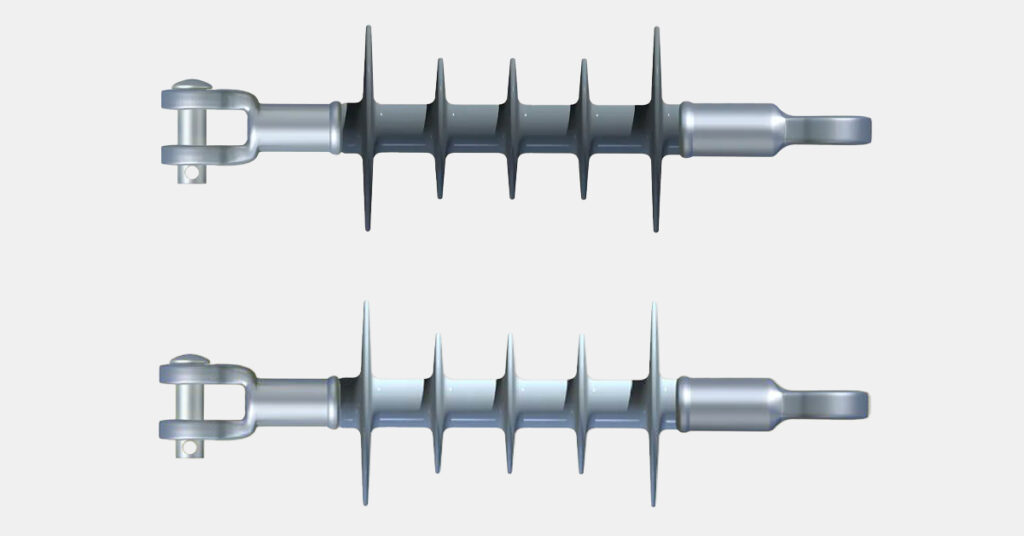
- Supporting renewable power transmission to mines—dead-end insulators help securely end and anchor long-distance transmission lines carrying renewable power from generation sites to remote mining operations.
- Ensuring safety and reliability in mining energy supply—copper mining machinery, smelters, and processing plants need uninterrupted power. Dead-end insulators enhance reliability by preventing flashovers and line failures under heavy loads. This helps reduce blackouts in mining operations.
- Enhancing the sustainability of green mining—dead-end insulators support the scalability of renewable-powered grids. They enable the expansion of solar and wind energy into mining-heavy regions. They contribute to reducing the carbon intensity of copper production.
- Supporting transmission and distribution lines—the insulator is able to withstand mechanical stress at the endpoints of power lines. They anchor conductors securely in dead-end spans or sharp angle points.
Main obstacles to copper production utilizing renewable energy in Peru
Copper is essential for constructing solar panels, wind turbines, and electric vehicles, which are vital for reducing carbon emissions. Mining, nonetheless, poses many difficulties in implementing renewable energy. The following are these barriers.
- Infrastructure constraints—incorporating large renewable energy facilities into remote regions requires expensive transmission lines and substations. Battery storage systems are essential because solar and wind energy are variable.
- Large capital expenses—switching from diesel or grid electricity to renewable sources requires significant initial funding for solar installations, wind facilities, and energy storage solutions.
- Policy and regulatory hurdles – Peru’s initiatives aimed at the mining sector’s green transition are constrained. Lengthy bureaucratic procedures for renewable energy initiatives also hinder the adoption at the mine level.
- Technological and operational limitations—mining requires dependable energy, which renewable sources have difficulty supplying without supporting backup systems. Incorporating renewable energy sources into mining activities requires sophisticated energy management systems.
- Worldwide market fluctuations—copper demand is rising as a result of the global energy shift. Price volatility complicates companies’ ability to engage in long-term renewable investments. Mining firms focus on immediate cost reductions instead of sustainability efforts.