
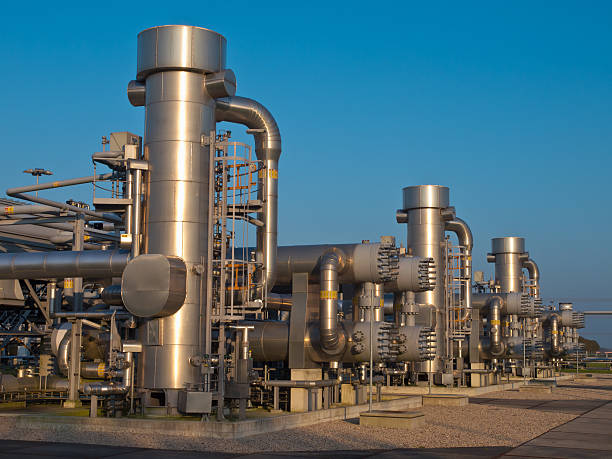
PetroTal, a crude oil producer in Peru, submitted environmental paperwork to enhance output at block 96 located in the northern jungle areas of Loreto. It has suggested US $83.5-83.6 million to concentrate on enhancing oil-production efficiency. This proposal will use the current infrastructure to a larger extent. The primary goal of the project is to move four proposed producer wells from the L2 Sur platform to the current L2 Oeste platform. The expected cost for the relocation and drilling is approximately US$79.05 million. This initiative will also rely on cutting-edge drilling technologies, production platforms, fluid management systems, processing plants, and water injection infrastructure. These technologies may minimize the land area needed per barrel created. The L2 Oeste platform, production wells, CPF-4 processing units, and pumping systems need a reliable power source. Premium hardware like clamps, steel eyelets, insulators, and U-bolted guy clamps bolster the overhead distribution networks providing these facilities.
Steel eyelets are load-bearing connection points used for lifting, anchoring, and securing heavy equipment. They serve in crude oil infrastructure and ensure reliable connections in the harsh environments. They allow for the safe and controlled lifting of heavy components. Steel eyelets are crucial for installing or maintaining wellheads, blowout preventers, and other large equipment in the oil facility. Eyelets serve as secure, high-strength anchorage points in the infrastructure. They are bolted to structures to anchor equipment and provide tie-off points for personal fall arrest systems. Steel eyelets are designed to withstand forces during the installation of the structure at sea.
Quality assurance for steel eyelets used in crude oil production facilities
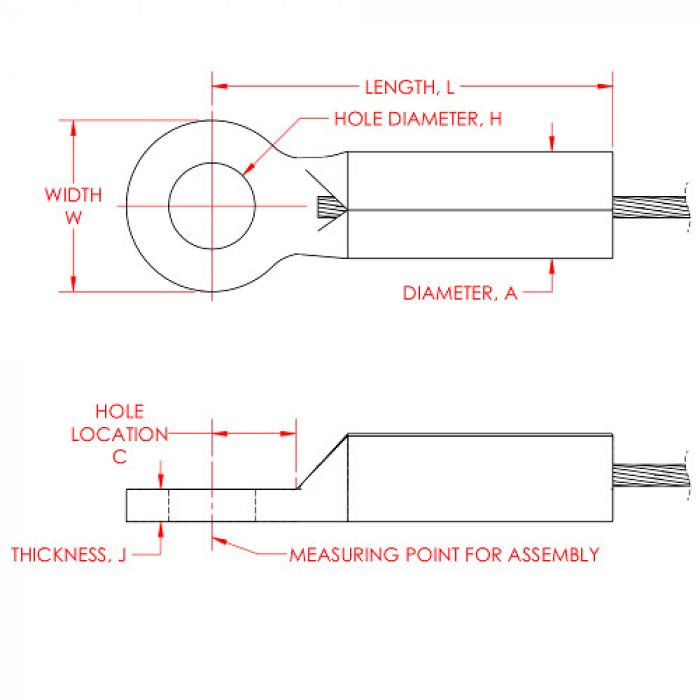
Steel eyelets create secure attachment points for guying, bracing, support assemblies, and lifting arrangements. Their quality can affect mechanical stability, equipment reliability, and maintenance requirements. Quality assurance for the eyelets cover material verification, dimensional inspection, mechanical strength testing, manufacturing quality, weld inspection, and corrosion protection. It also covers corrosion protection, surface finish inspection, and load and fatigue considerations, and dimensional traceability. Conducting quality assurance for the steel eyelets prevents small hardware failures from developing into larger infrastructure problems. It prevents defects that can cause loosening, cracking, or failing under load. These failures may compromise the stability of connected equipment and support structures. Quality assurance is crucial for Crude oil production facilities in Peru. This is because they may operate in remote locations under demanding environmental conditions. Reliable steel eyelets help reduce unplanned maintenance, equipment downtime, and safety risks.
The roles of steel eyelets in crude oil infrastructure in Peru
Steel eyelets provide strong, secure connection, and anchoring points for mechanical, structural, electrical, and utility components. Properly specified eyelets contribute to structural stability and operational reliability. Here are the key roles of steel eyelets in the production infrastructure.
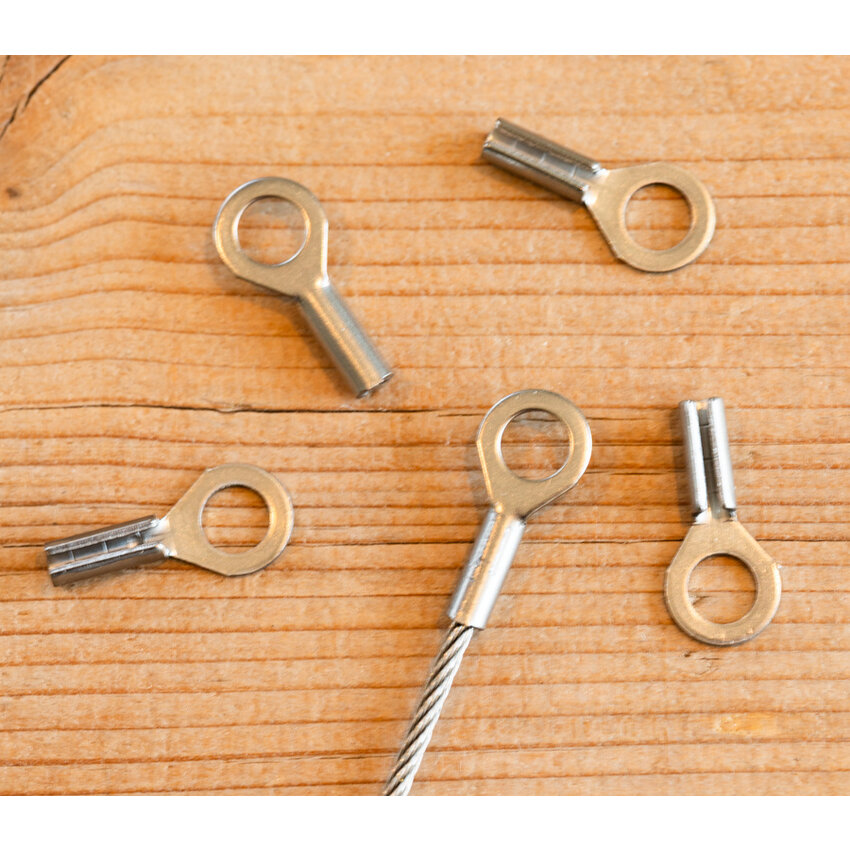
- Providing secure attachment points – steel eyelets create reliable connection points between bolts, shackles, hooks, rods, and cables. They allow different parts of an installation to be connected without need for complex structural modifications.
- Supporting guying and bracing systems – oil production infrastructure contains poles, frames, towers, pipe, supports, and other structures. Steel eyelets provide attachment points for guy wires, tension members, and bracing assemblies.
- Managing cable and utility infrastructure – the eyelets form part of support systems used to secure cables.
- Supporting piping and auxiliary systems – eyelets serve in the support infrastructure for piping and auxiliary systems. They provide attachment points for rods, braces, restraints, or secondary support members.
- Improving structural stability – steel eyelets connect bracing members to frames, support, platforms, poles, and other structures. Their effectiveness depend on correct sizing, alignment, material strength, and connection design.
Technical considerations for moving the four production wells in Peru
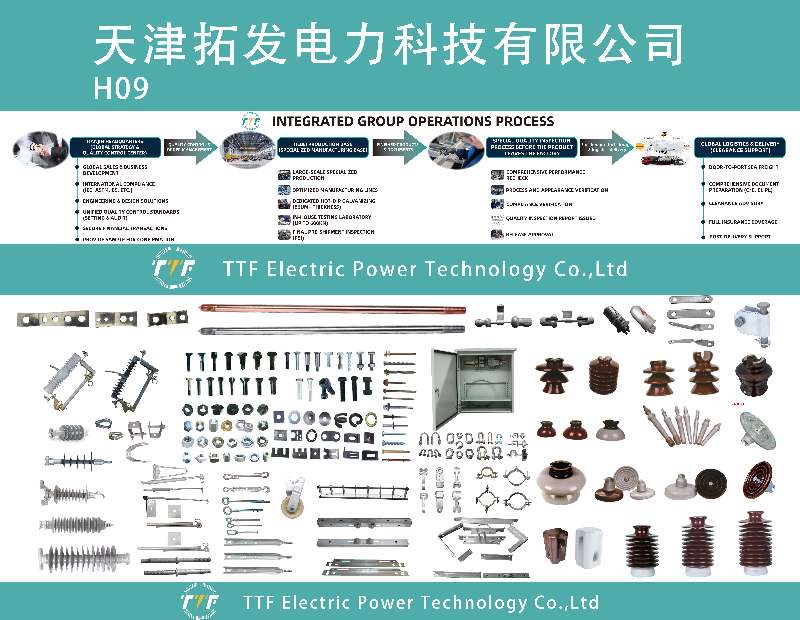
PetroTal suggested moving four production wells from the intended L2 Sur platform to the current L2 Oeste platform at Block 95 in Loreto. The four wells will be drilled anew from L2 Oeste rather than from L2 Sur. The funding will encompass the redesign of well paths, horizontal drilling, wellhead and completion engineering, along with Artificial-lift integration. The four moved wells will need electrical and mechanical systems to ease their production operations. This will establish a direct link between well engineering and electrical systems. The initiative involves a unified overhaul of the surface-to-subsurface production system aimed at accelerating development while preventing unnecessary growth of the field’s current surface area.