
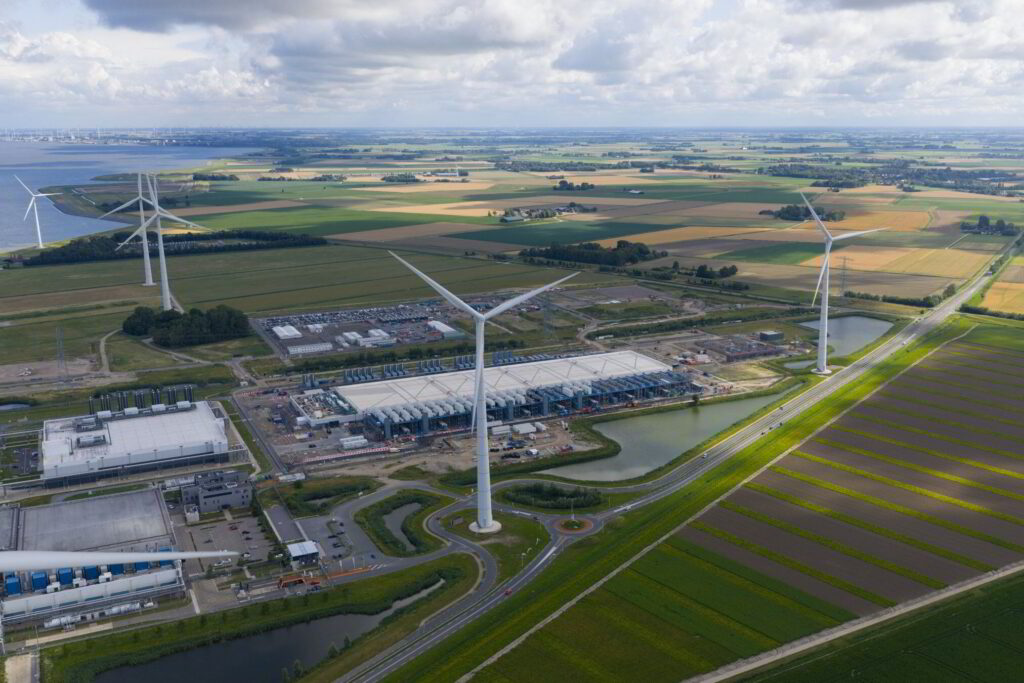
There are 28 wind farms in the Serra do Assuruá complex with an 846 MW of installed capacity, 188 turbines, and 28 km of transmission lines connecting it to Brazil’s National Interconnected System (SIN). The energy firm, Serena, filed 12 requests to build data centers in the remote town in Gentio do Ouro. Wind energy could provide a strong energy foundation for data centers in the region. Data centers need large quantities of electricity for servers, cooling systems, networking equipment, and backup infrastructure. Wind generation can supply much of the energy demand while reducing dependence on fossil fuel-based electricity. Additionally, the concentration of wind farms creates an opportunity to locate electricity-intensive computing infrastructure close to renewable generation. This can reduce the amount of electricity needed to travel long distances before consumption. The interconnection could create demand for electrical engineering services, power-quality equipment, telecommunications, and fittings like thimble eyenuts.
High-quality thimble eyenuts support the electrical infrastructure serving the data centers. They provide cable management and structure termination essential for maintaining the integrity of the power and data connections. The eyenuts help anchor guy wires to structures like utility poles and tower foundations. The thimble eye shape protects the wire from wear and sharp bending at the anchor point. Thimble eyenuts help ensure the secure mechanical support of the large power cables carrying wind-generated electricity. This prevents physical damage from turbine vibration, which is crucial for stable connection to the grid collection system.
Quality assurance for thimble eyenuts in wind farm infrastructure connecting to the grid and data centers
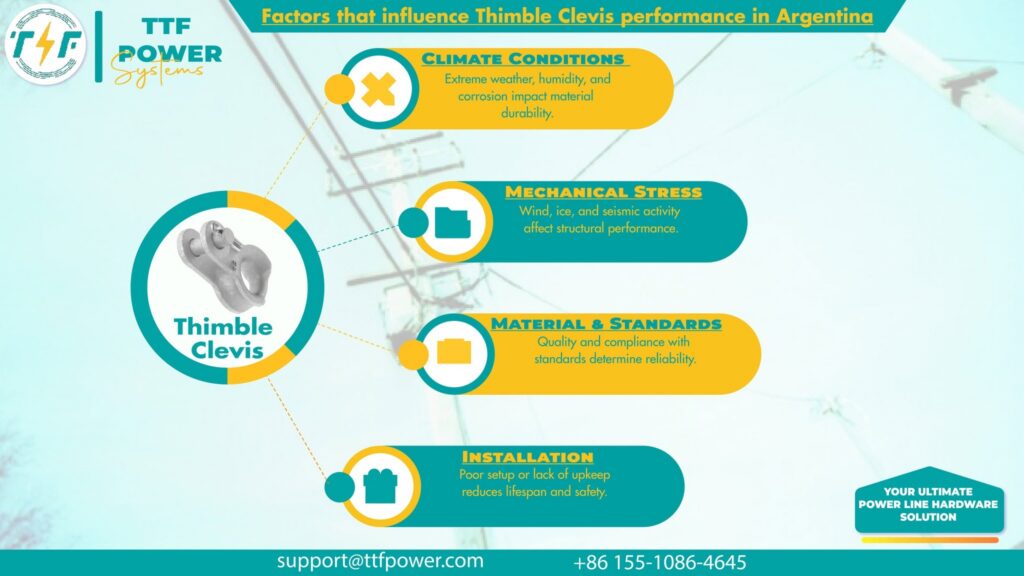
Thimble eyenuts are mechanical connection components used with guying, anchoring, bracing, and tension assemblies in electrical infrastructure. They form part of the mechanical load path related to poles, towers, guy wires, support structures, and substation equipment. Quality assurance prevents mechanical failure that can compromise structural stability and affect power-system reliability. QA covers raw material inspection, dimensional inspection, thread quality control, tensile and proof-load testing, eye and thimble inspection, and corrosion-resistance QA. Quality assurance also confirms the compatibility with guy wires, stay rods, guy strain insulators, eye bolts, clevises, and anchor rods. During installation, QA helps check the correct thimble eye nut specification, correct thread engagement, proper seating of the thimble, proper tightening of threaded connections, and correct alignment of the tension assembly. High-quality thimble eyenuts help create a more resilient mechanical foundation for the broader grid-interconnection system.
Importance of thimble eyenuts in wind farm infrastructure integrating with data centers in Brazil
The mechanical reliability of the infrastructure connecting wind farms with data centers is crucial for their reliability. Using thimble eyenuts provides mechanical connection and load-transfer functions in guying, deadend, and anchoring assemblies. Their mechanical performance contributes to the structural reliability of the supporting infrastructure. Here are their roles in the infrastructure.
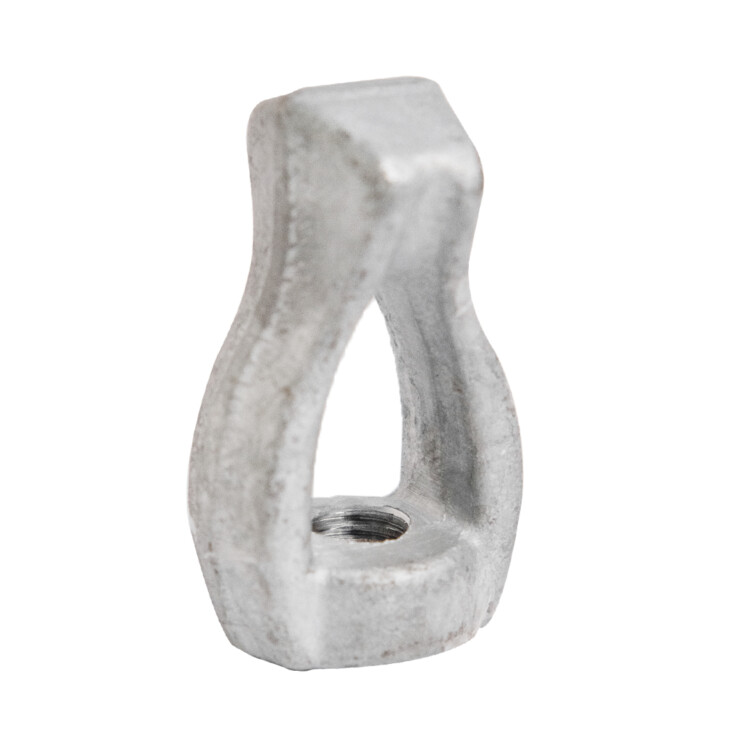
- Securing guy wires and tension assemblies—the thimble eye nuts provide a robust attachment point for guy wires and other tension members. They stabilize transmission and distribution support structures, collector-line structures, substation structures, and communication structures.
- Distributing mechanical loads—the eyenuts help transfer tension from the guy wire or cable into the anchor or structural member. It protects the cable at the connection point while distributing the load over a bearing surface.
- Supporting wind farm grid interconnections—guiding and anchoring components helps maintain the stability and geometry of supporting structures for the systems.
- Improving resilience against wind loading—the eyenuts contribute to the stability of guyed assemblies by maintaining a secure connection between tension members and their anchor points.
- Supporting BESS infrastructure—BESS facilities bring extra electrical infrastructure between renewable generation and the grid. Thimble eyenuts support the physical infrastructure around BESS installation.
Significance of the interconnection for Brazil’s future energy infrastructure
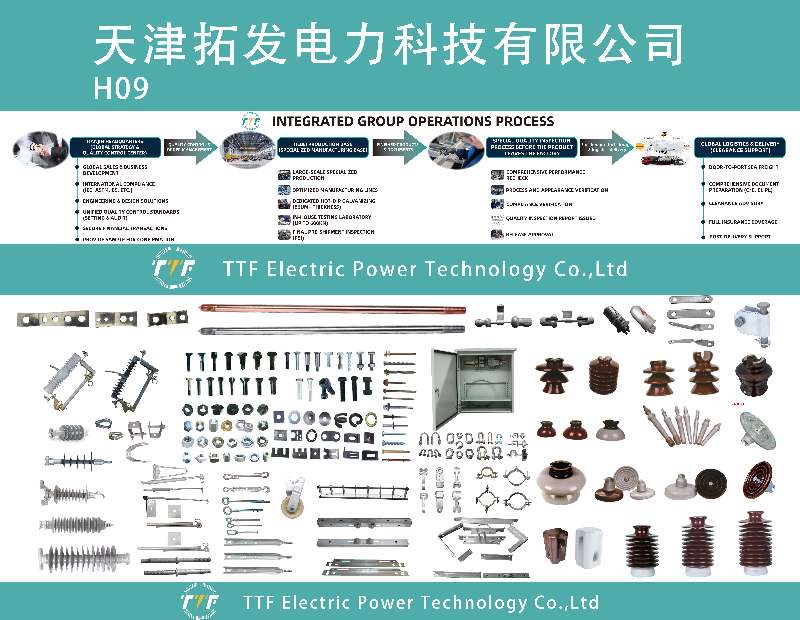
The integration of wind farms, the grid, BESS, and data centers is essential in Brazil’s next phase of energy and digital infrastructure. It connects the country’s strong renewable-generation potential with growing electricity demand from data centers and other electro-intensive industries. For instance, BESS provides a mechanism for storing electricity when renewable output is high and releasing it when generation declines. The development of the data centers includes coordination with generation capacity, transmission lines, substations, power-quality equipment, grid protection, and communication infrastructure. This integration will help align Brazil’s digital-economy expansion with its energy-transition objectives. Proper implementation of this project can support renewable-energy integration, reduce curtailment pressures, strengthen grid flexibility, and attract digital investment.