
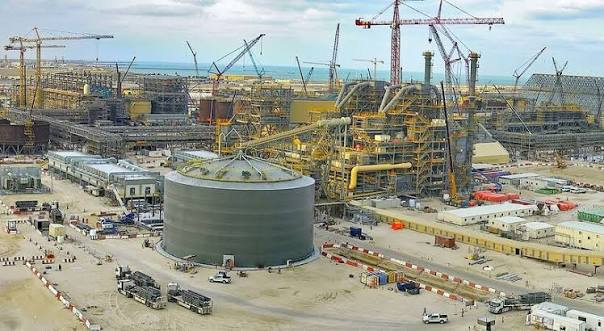
Aluminum oxide production in Brazil connects the country’s bauxite resources, energy infrastructure, aluminum production, and low-carbon industrial development. Alumina is a crucial feedstock for producing primary aluminum through electrolysis. This makes it crucial for industries that depend on aluminum, such as electrical transmission and distribution, renewable energy equipment, automotive manufacturing, construction, and packaging. Alumina production is also part of Brazil’s industrial decarbonization strategy when refineries transition away from carbon-intensive fuels. Recently, Alunorte replaced fuel oil with natural gas and has already reduced annual emissions. The refinery also sources renewable electricity through long-term agreements related to the Mendubim solar complex and Ventos de São Zacarias wind complex. Additionally, the refineries create demand for reliable electrical infrastructure, including transmission systems, substations, switchgear, overhead transmission lines, cable systems, and protection and control equipment. Polymer surge arresters protect the sensitive equipment from the damaging effects of transient overvoltages.
The surge arresters protect process equipment, motors, and control systems from surges originating from the refinery’s electrical network. They safeguard the high-value assets such as transformers, circuit breakers, and busbars. They do this by providing a low-impedance path to ground for high-voltage surges. Polymer surge arresters protect insulation at cable terminations and joints in distribution and transmission networks. They protect inverters and other power electronics in solar and wind farms against surges from the grid. Polymeric arresters are lightweight and offer good seismic capacity, which makes them easier and safer to install.
Quality assurance for polymer surge arresters used in Brazil’s alumina refineries
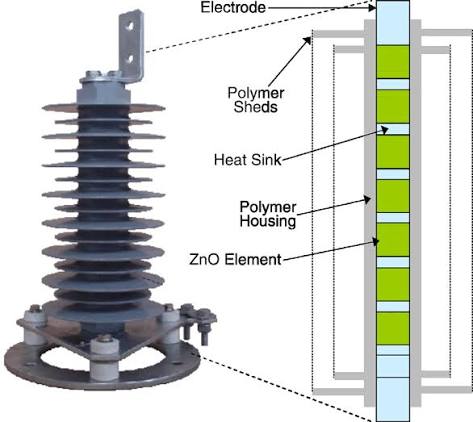
Polymer surge arresters are protective devices for electrical systems in alumina refineries. They limit transient overvoltages caused by lightning, switching operations, and other electrical disturbances. Quality assurance involves controlling the materials, design, manufacturing, testing, inspection, and traceability of a surge arrester. This ensures that it performs throughout its specified service life. Polymer surge arresters serve at strategic points around transformers, substations, switchgear, distribution lines, motor-control systems, and renewable energy interconnections. The arresters divert surge current to ground and limit the voltage stress reaching protected equipment. The arresters form part of the broader protection architecture connecting renewable generation with energy-intensive industrial consumers. Polymer surge arresters provide lower weight, improved handling, reduced breakage risks, and better resistance to mechanical shock.
The roles of polymer surge arresters in alumina refineries and interconnection networks
Polymer surge arresters protect electrical equipment by limiting transient overvoltages and diverting surge current to ground. They serve in renewable energy interconnections and transmission interfaces. They protect equipment connecting solar and wind generation to energy-intensive refinery operations. Here are their key roles in the infrastructure.
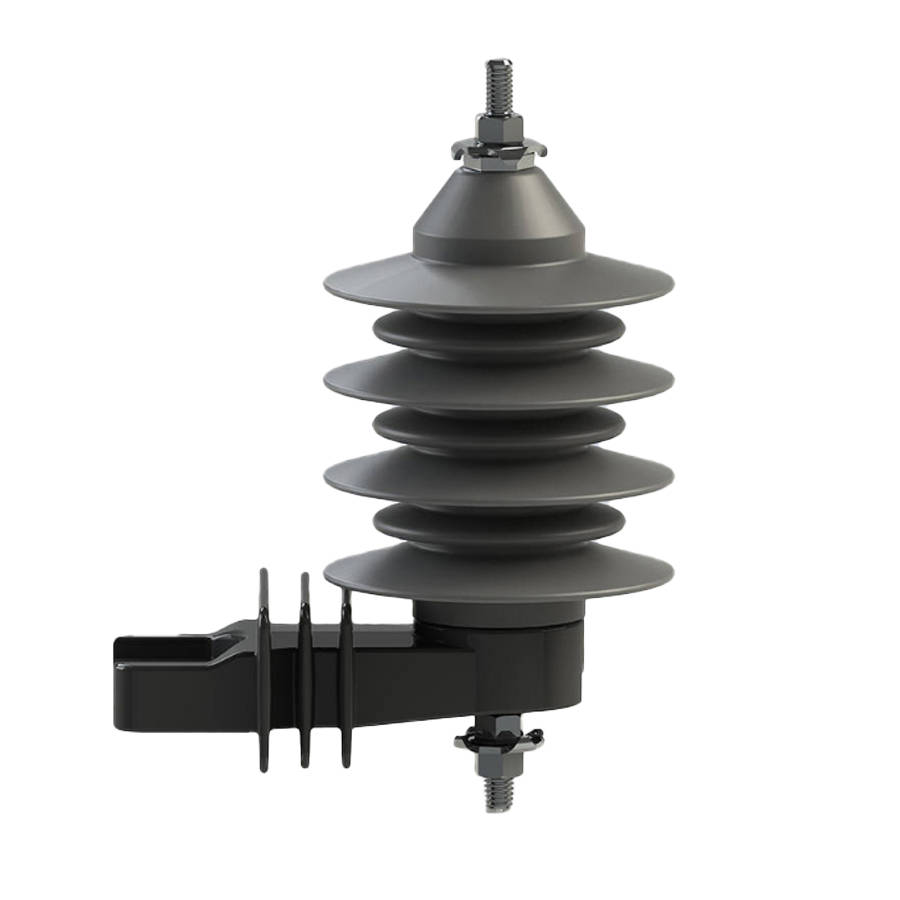
- Protect refinery electrical equipment from overvoltages – the surge arrester limits dangerous voltage surges before they reach sensitive electrical equipment. They protect power transformers, switchgear, substations, and distribution feeders.
- Protect transformers and substations – polymer surge arresters serve near transformer terminals to provide a low-impedance path for surge current. They reduce the likelihood of insulation breakdown, transformer failure, or flashovers.
- Support reliable refinery operations – alumina refining needs continuous operation of electrical loads. Surge arresters contribute to process continuity by protecting the electrical equipment that supplies refinery operations.
- Protect renewable energy interconnections – the polymer surge arresters extend beyond the refinery boundary when renewable electricity is supplied through dedicated interconnections.
Alumina refining improving Brazil’s decarbonization efforts
Alumina refining is an energy-intensive stage of the aluminum value chain. Reducing emissions at the refinery has significant effects on the carbon footprint of aluminum produced in Brazil. The alumina industry can replace fossil fuels with renewable electricity, lower-carbon fuels, and energy efficiency. Here is how alumina refining improves decarbonization efforts in Brazil.
- Replacing high-carbon fuels—Alunorte refinery replaced fuel with natural gas to reduce emissions and local air pollutants. Natural gas thus serves as a transitional measure while refineries move toward deeper electrification.
- Electrifying steam generation—alumina refining needs enough amounts of steam and heat. Alunorte has three electric boilers that replace coal-fired equipment.
- Connecting alumina refining with renewable energy—Alunorte has a long-term power-purchase arrangement related to the solar projects and wind projects in Brazil.
- Improving the carbon intensity of aluminum – reducing alumina refining lowers the embodied carbon entering the aluminum-smelting stage. Lower-carbon alumina is a crucial component of reducing emissions throughout the aluminum value chain.