
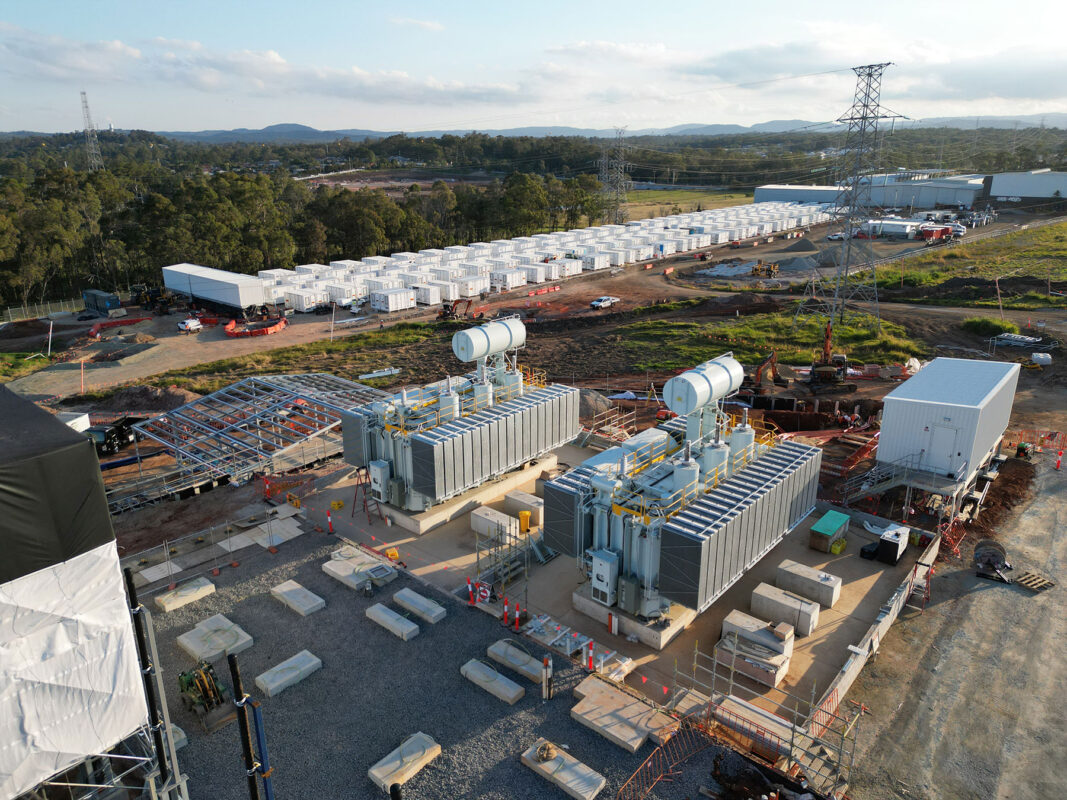
Brazil’s battery energy storage system market is transitioning from a demonstration-driven industry to a commercially viable sector. BESS is now serving to improve grid reliability, renewable energy integration, and reducing electricity costs. So far in 2026, there have been more 504 MWh battery storage orders that contribute to a cumulative volume of 1.9 GWh. This development shows that Brazil is moving beyond isolated pilot projects into broader commercial deployment. However, many contracted projects are still progressing through engineering and system design, international shipping, electrical installation, and performance testing and commissioning. Once fully developed, the BESS systems will provide flexibility by balancing supply and demand, managing voltage fluctuations, providing frequency regulation, and supporting transmission infrastructure. These upgrades will demand the use of robust power line hardware such as preformed tension clamps. These clamps provide a secure and reliable connection for conductors that are under high mechanical stress.
Preformed tension clamps grip and hold conductors at deadends and ensure long spans of cable remain stable under mechanical stress from wind and conductor weight. The clamps helically wrap around the conductor to help distribute tension evenly. They also prevent localized pressure points to reduce conductor wear. Preformed tension clamps maintain a stable and secure mechanical connection to prevent loosening or slippage. The clamps are from corrosion-resistant materials like galvanized steel or aluminum alloys to ensure high UV exposure, high winds, and temperature swings. Tension clamps ensure the mechanical stability and electrical safety of the transmission infrastructure connecting generation points to the network.
Quality assurance for preformed tension clamps used in BESS interconnection systems
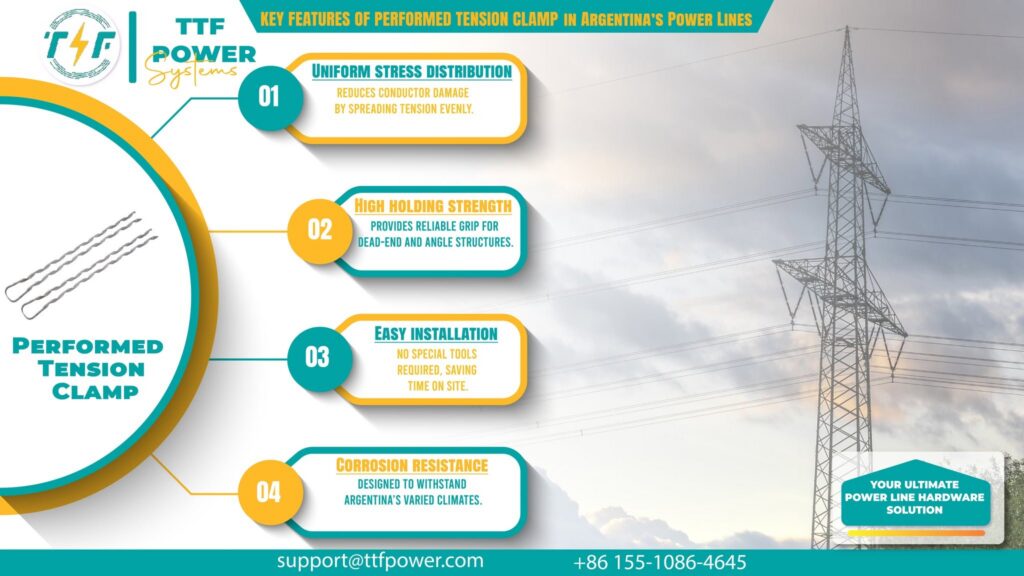
Preformed tension clamps secure and terminate overhead conductors, optical ground wires, ADSS cables, and other transmission conductors. Brazil is continuously expanding utility-scale solar farms, wind parks, and battery storage projects. These developments will demand QA to ensure that the clamps deliver the mechanical strength, electrical reliability, and environmental durability for grid performance. QA helps identify defects that cause conductor slippage, mechanical instability, communication interruptions, and line outages. Quality assurance ensures every clamp maintains its rated holding strength, protects conductor integrity, and meets utility performance specifications. Reliable clamps improve the availability and resilience of BESS infrastructure supporting renewable energy integration. QA covers material verification, precision manufacturing control, mechanical load testing, conductor compatibility testing, and electrical performance verification. Effective quality assurance delivers high mechanical reliability, superior corrosion resistance, stable conductor support, reduced conductor damage, and improved transmission reliability.
The importance of preformed tension clamps in BESS and interconnection infrastructure
Preformed tension clamps terminate, anchor, and support overhead conductors in transmission and distribution networks. The clamps serve in the electrical infrastructure connecting battery storage facilities with solar farms, wind parks, substations, and the grid. Here are their key roles in the interconnection infrastructure.
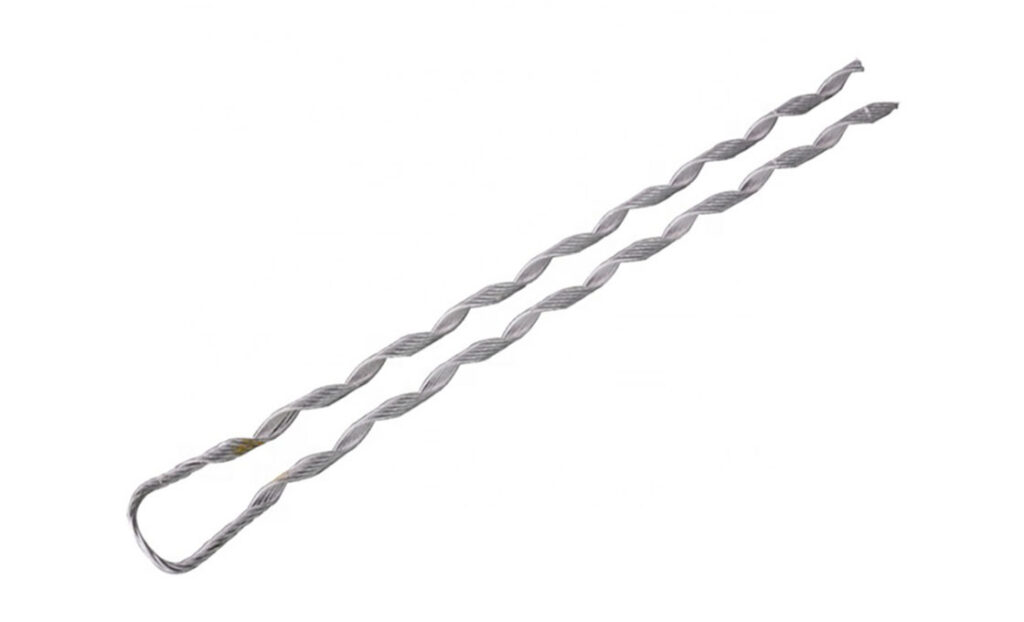
- Anchoring conductors at dead-end structures—the clamps anchor overhead conductors at dead-end poles, transmission towers, and terminal structures. They secure transmission and distribution conductors, prevent conductor slippage, and maintain the designed mechanical tension.
- Maintaining proper conductor tension – preformed tension clamps maintain the correct tensile force and prevent excessive sag.
- Protecting conductors from mechanical damage – the clamps distribute gripping forces uniformly over a longer section of the conductor. This helps reduce strand deformation, reduce conductor fatigue, and extend conductor service life.
- Supporting grid interconnection infrastructure—preformed tension clamps support conductors that connect battery storage plants, step-up substations, solar PV farms, wind power stations, and distribution feeders.
Factors driving commercial energy storage growth in Brazil
Brazil’s battery energy storage system is transitioning to commercial-scale deployment. This is driven by a combination of technological advancements, renewable energy expansion, supportive regulations, and increasing demand for grid flexibility. Here are the key factors driving BESS growth.
- Expansion of renewable energy – this includes investments in utility-scale solar PV plants, onshore wind farms, hydroelectric power, and distributed rooftop solar systems. BESS store surplus electricity generated during periods of high renewable output.
- Need for grid flexibility – BESS provides operational flexibility by balancing electricity supply and demand, managing rapid changes in renewable generation, and supporting frequency regulation.
- Increasing electricity demand – BESS helps utilities meet peak demand, reduce network congestion, improve power reliability, and delay costly transmission upgrades.
- Growing commercial and industrial demand – commercial and industrial consumers are investing in battery storage to improve energy management and reduce operating costs. This leads to increased adoption in manufacturing, mining, telecommunications, and data centers.