
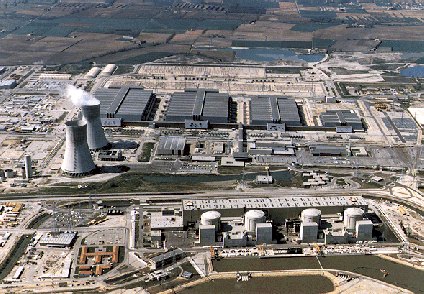
Nano Nuclear Energy Inc. recently proposed to partner with Dioxitek S.A. to integrate nuclear energy development with uranium production and processing in Argentina. The proposal aims to connect two production facilities. The planned facility would serve as a linking node that converts uranium into a form usable for enrichment and advanced fuels. This will help Argentina transition from a fuel user and partial processor to a potential supplier of nuclear fuel intermediates. Nano Nuclear’s broader strategy includes microreactors and advanced nuclear systems. This aligns with global trends like growth in small modular reactors and increasing demand for secure fuel supply chains. The proposal also forces convergence between the mining infrastructure, chemical processing infrastructure, and energy infrastructure. This integration enhances efficiency across the value chain and increases system complexity and regulatory oversight. These interconnections will demand the use of corrosion-resistant double-end bolts in the infrastructure.
Double-end bolts create secure and high-integrity connections to join flanges, secure equipment to foundations, or close pressure vessel openings. The bolts secure the main closure head and other penetrations on the reactor vessel in reactor pressure vessels. They also serve in steam generators, reactor cooling pumps, pipes and valves, and check points. In the intense radiation environments, the bolts resist irradiation-assisted stress corrosion cracking. They also seal vessels, pumps, and valves to prevent radioactive releases. Double-end bolts provide a clamping force to prevent leaks and flange damage.
Quality assurance for double-end bolts for use in nuclear and uranium production facilities
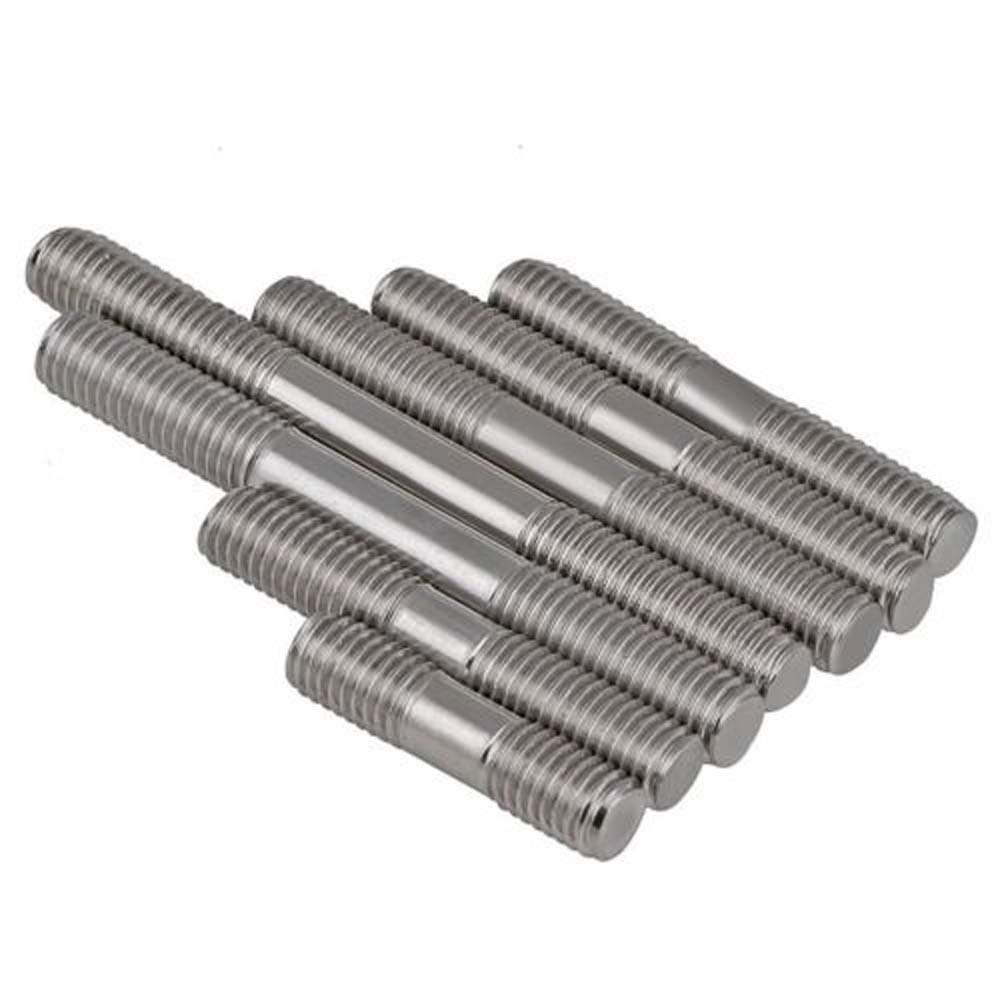
Conducting quality assurance for the bolts ensures predictable mechanical performance under extreme conditions. The process ensures the bolts secure pressure-retaining joints, structural assemblies, and safety-critical equipment. Quality assurance prevents bolt failures that can lead to loss of containment and system shutdowns. QA for the double-end bolts integrates material verification, controlled manufacturing processes, advanced non-destructive testing, documentation, and controlled installation monitoring. The process ensures structural integrity and leak-tight performance under extreme mechanical, thermal, chemical, and radiological conditions. This ensures the bolts meet the highest reliability standards in industrial engineering. The bolts undergo grain structure verification, non-destructive testing, mechanical and performance testing, dimensional inspection, and surface treatment and corrosion protection. This process prevents joint leakage, fatigue failure, and uneven stress distribution.
Uses of double-end bolts in nuclear and uranium production facilities
Double-end bolts serve as load-bearing, sealing, and alignment components in nuclear power plants and uranium production facilities. The bolts help maintain pressure integrity, system reliability, and containment of hazardous media. Their performance influences plant safety, environmental protection, and operational continuity. Here are the key functions of double-end bolts in these facilities.
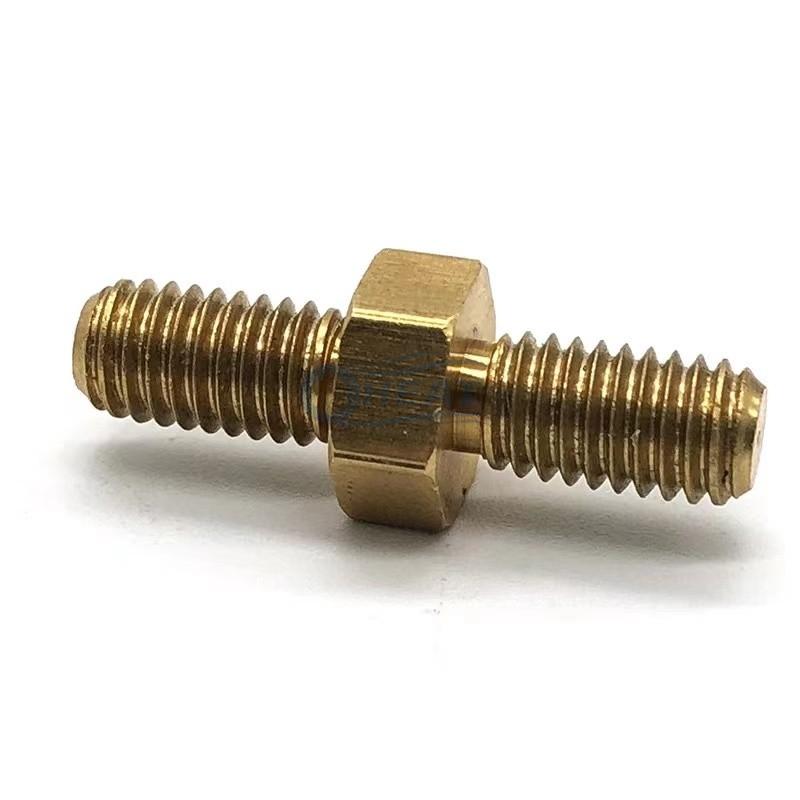
- Maintaining pressure-boundary integrity—the bolts secure flanged joints in systems carrying high-pressure steam, coolants, and process chemicals. The bolts prevent leakage under pressure and temperature fluctuations.
- Ensuring leak-tight sealing—the bolts enable gasket compression and sealing performance to maintain constant preload to keep seals intact. This is crucial where media is radioactive, toxic, and corrosive.
- Structural fastening of critical equipment – double-ended bolts assemble and secure valves and pumps, heat exchangers, pressure vessels, and reactor auxiliary systems.
- Supporting high-temperature and cyclic loading conditions—the bolts retain mechanical strength and preload stability under diverse conditions. They also resist fatigue from repeated load cycles.
- Load distribution and joint reliability—double-end bolts ensure even stress distribution across flanges. They reduce the risk of localized overstressing and enhance gasket performance and longevity.
Measures to ensure the success of nuclear and uranium facilities in Argentina
Argentina should adopt an approach combining policy, engineering, regulatory rigor, and industrial development. These measures include:
- Establishing a coherent national nuclear strategy—this includes aligning uranium production, fuel processing, and nuclear power generation under a single long-term policy framework.
- Strengthen regulatory and safety infrastructure—nuclear and uranium processing facilities need regulatory systems that enhance the independence and technical capacity of nuclear regulators.
- Invest in nuclear-grade infrastructure—this includes investments in uranium conversion facilities, upgraded mining and milling operations, and modernized nuclear power plants.
- Optimize integration into global nuclear supply chains—Argentina should focus on high-value segments, secure long-term off-take agreements with international partners, and diversify export markets to reduce dependency.