
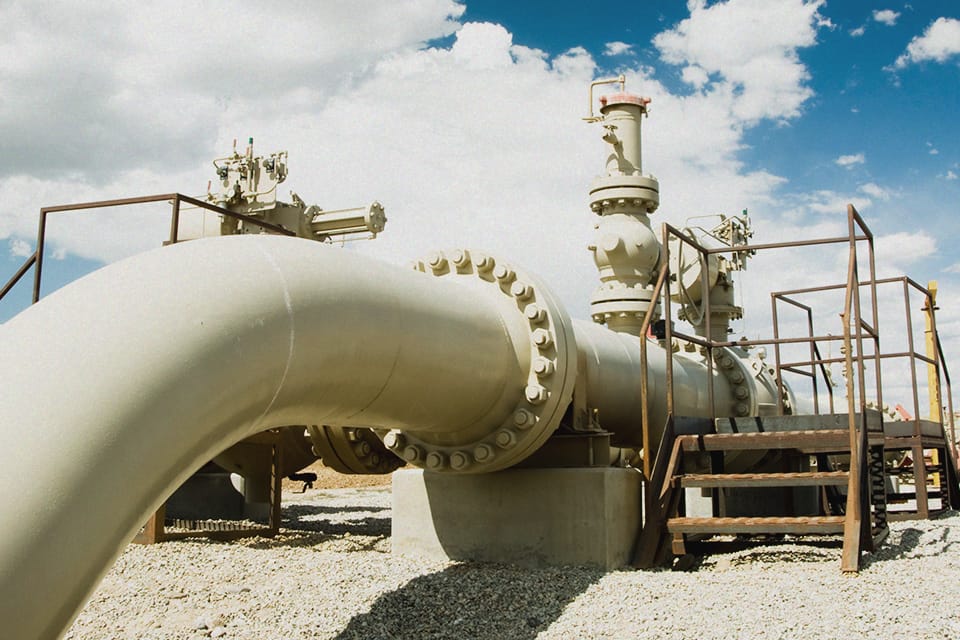
The Ministry of Energy and Mines (MINEM) enacted a series of actions to give priority to the distribution of natural gas to homes, public transit, and operations in Peru. Peru’s gas network relies on essential transmission pipelines that carry natural gas from production areas to consumption hubs. The deflagration may lead to specific damage to pipeline integrity, pressure fluctuations throughout connected sections, and decreased throughput capacity. Insufficient transmission networks can lead to failures at essential points, resulting in widespread consequences throughout the system. Disruptions in natural gas transmission could need generation units to run at lower capacity, transition to alternative liquid fuels, and temporarily stop dispatching. Peru’s natural gas industry must emphasize building extra transmission loops to lessen reliance on a single corridor, increasing LNG imports, and investing in essential gas storage facilities. These developments rely on strong hardware like guy grips
Preformed grips work in utility and industrial applications to secure guy wires. Guy grips provide structural support and ensure long-term stability in natural gas infrastructure. The grips create a secure, load-bearing termination point for guy wires. They act like supports for structures within a natural gas facility. The guy grip secure the wires that hold structures in place. Guy wires with grips can provide extra support to prevent movement from machinery vibration or high winds. Their designs distribute the gripping force and tension along the cable’s length. Guy grips are made from high-strength, corrosion-resistant materials like galvanized or stainless steel. Their helical design provides a high gripping capacity. They form a secure loop at the end of the guy wire, which can then attach to anchor rods.
Quality assurance for guy grips used in natural gas pipelines and infrastructure
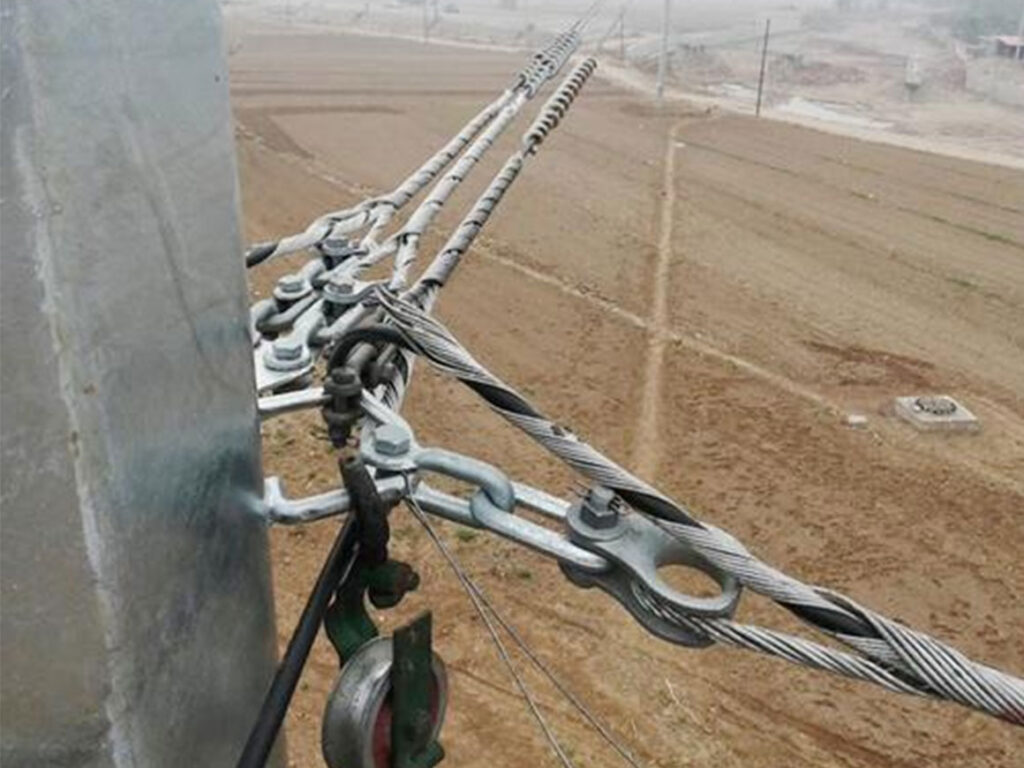
Quality assurance for guy grips ensures structural stability, operational safety, and durability. Guy grips secure guy wires that stabilize poles, towers, and support structures along pipeline routes and compressor stations. A robust QA process prevents structural failures that could compromise energy infrastructure. Quality assurance begins with material verification used in the manufacture of the guy grip. The process includes confirming mechanical strength and tensile properties and proper galvanization. During manufacture, quality assurance ensures that guy grip meet dimensional and mechanical specifications. Key checks during manufacturing include verification of the correct helix pitch, dimensional accuracy of the grip length, uniform tension, and inspection of coating integrity. Quality assurance programs ensure that the guy grips can withstand tension and challenging environmental conditions.
Key roles of guy grips in natural gas infrastructure in Peru
Guy grips secure guy wires that support poles, towers, communication structures, and electrical distribution lines. Reliable anchoring and load distribution help maintain operational safety. The guy grip ensure that support structures remain stable under mechanical stress and environmental exposure. Here are the roles of the guy grips in natural gas infrastructure.
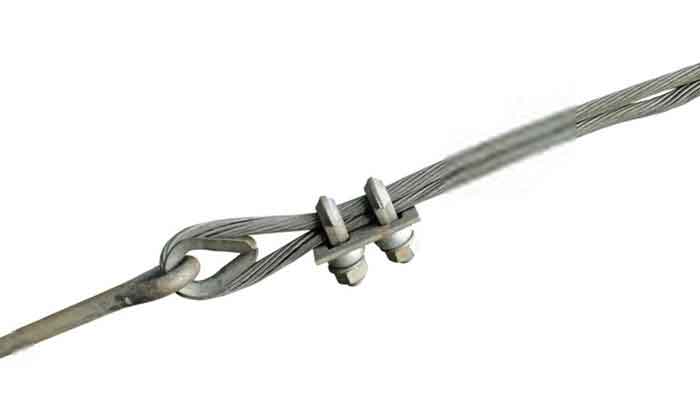
- Structural stabilization of support poles and towers—guy grips stabilize poles and towers that support equipment in natural gas operations.
- Securing guy wires to maintain tension—the guy grip attach guy wires to anchor points without the need for complex hardware. Their design wraps around the guy strand to create a strong hold.
- Load distribution along guy strands—guy grips offer load distribution that reduces the risk of wire fatigue. It also extends the service life of the guy wire and the anchoring components.
- Supporting electrical and communication systems—the guy grip support these systems by maintaining the tension and stability of guy wires. They prevent structural movement that could disrupt electrical connections.
Infrastructure backing Peru’s natural gas industry
Peru’s natural gas industry is supported by a cohesive value chain that includes upstream production, high-pressure transportation, processing, LNG export facilities, and downstream distribution. This comprises:
- Upstream production infrastructure consists of gas extraction wells, gathering networks, field separation systems, and flowlines that link wells to processing facilities.
- Gas processing facilities—unrefined natural gas is processed to separate condensates, cut contaminants, and compress it for transportation. These guarantee that gas quality complies with transmission and end-user standards.
- High-pressure transmission pipelines navigate intricate landscapes, necessitating sophisticated integrity management and ongoing surveillance. They link distant production locations to Peru’s main consumption hubs and export facilities.
- LNG infrastructure encompasses liquefaction facilities, cryogenic storage vessels, marine loading docks, and pipeline links to the transmission network. This infrastructure enables Peru to send excess natural gas to global markets while aiding the balance of domestic supply