
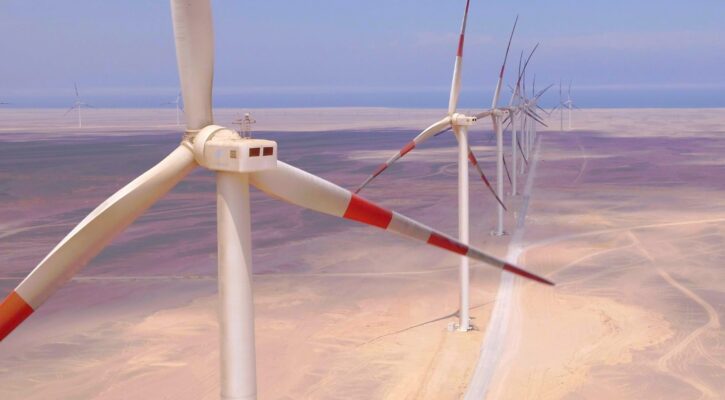
Engie Chile has acquired environmental approval for the 171.6 MW El Rosal wind power development. The power utility is seeing to install 26 turbines of 6.6 MW per unit and a battery energy storage system. The project investment is estimated at $230 million. Engie Chile’s wind farm will connect through a new step-up substation to Engie’s existing El Rosal substation. The company expects to start construction in the fourth quarter of 2026 and bring the wind farm into operation in the fourth quarter of 2028. Chile has abundant wind and solar resources that strengthen the renewable share in the National Electric System and displace fossil-based marginal generation. Engie enhances energy shifting from low-demand to peak-demand periods, frequency regulation and ancillary services, and reduction of forced wind curtailment. Compression deadends are high-strength fittings used to terminate and anchor wind energy infrastructure.
Compression deadends are high-strength fittings used to terminate and anchor overhead electrical conductors at their endpoints. They ensure mechanical stability and electrical reliability in wind farms. The deadends anchor conductors to transmission towers, substation structures, or terminal points. They can withstand the full-rated tensile strength of the conductor. This helps secure the line against physical stress from its own weight, high winds, and extreme weather. Compression deadends maintain a low-resistance electrical connection at the termination point. This ensures stable and efficient power flow by reducing contact resistance and preventing heating that could cause equipment failure.
Quality assurance for compression deadends used in Chile’s wind projects
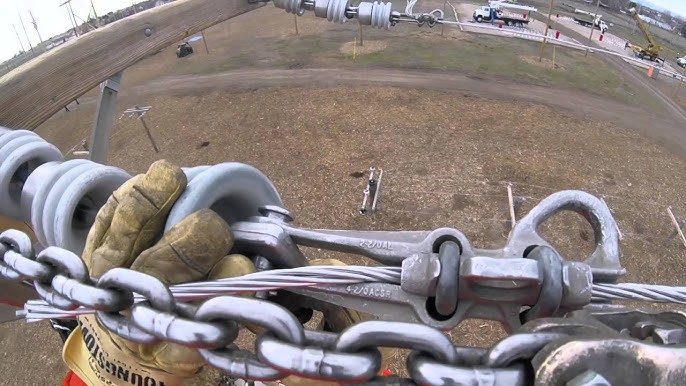
Compression deadends anchor conductors in overhead collector systems and transmission interconnections with wind farms. Wind farms are mostly in areas with high winds, coastal, and seismic zones. Ensuring quality assurance for compression deadends influences mechanical reliability, conductor integrity, and grid compliance. Quality assurance ensures long-term tensile performance and electrical conductivity without slippage. QA controls verification of aluminum alloy grade, mechanical property testing, corrosion resistance evaluation, and traceability of heat numbers. This prevents material mismatch that can cause galvanic corrosion or reduced mechanical performance. The QA process also includes dimensional accuracy and conductor compatibility, compression process control, mechanical load testing, electrical performance verification, and corrosion testing. Quality assurance ensures mechanical anchoring reliability, electrical continuity, and long-term grid stability.
Functions of compression deadends in wind farm deployment in Chile
Compression deadends terminate and secure overhead conductors in-line hardware components. The dead ends perform structural and electrical functions across collector and transmission systems. The deadends are mechanical and electrical performances that ensure stability and investment security. Here are the functions of compression deadends in wind farm infrastructure.
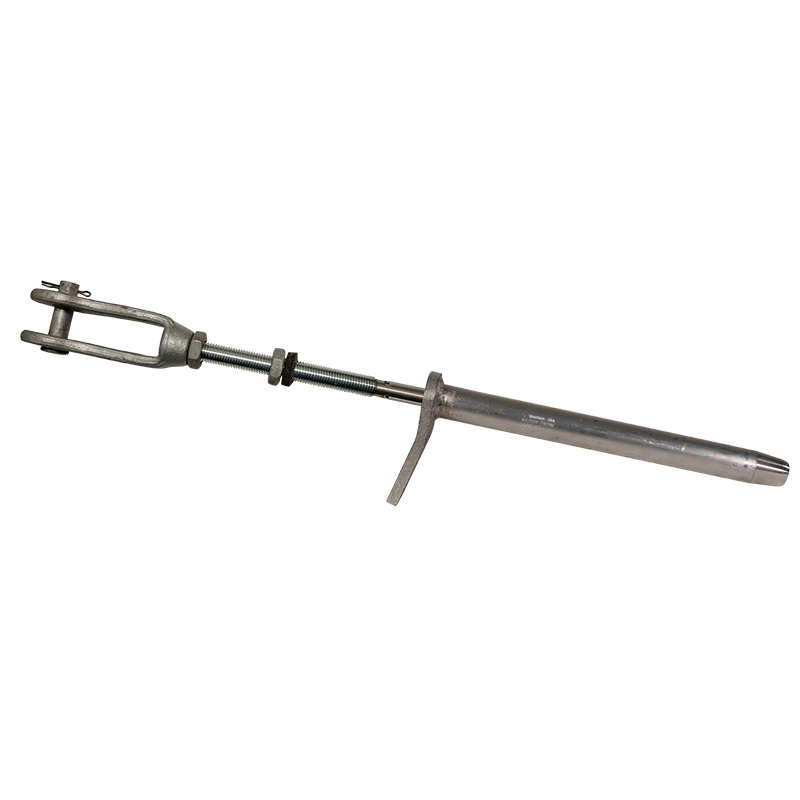
- Mechanical termination of overhead conductors—compression deadends anchor ACSR conductors at strain structures and terminate lines at substation entry points. They transfer tensile forces from the conductor to the tower structure.
- Load transfer and structural stability—the deadends distribute tensile and dynamic loads from conductors into tower crossarms and insulator assemblies.
- Reliability in hybrid wind and storage projects—collector systems linking turbines to substations and storage units use dead-end connections. Compression deadends maintain stable voltage conditions, support frequency regulation operations, and enable efficient energy dispatch.
- Electrical continuity and conductivity—the deadend ensures low-resistance electrical termination, stable current transfer, and minimal heat buildup. This helps ensure reliable power delivery from wind turbines to the grid.
- Integration with insulator and substation hardware—deadends connect conductors to strain insulator strings, gantry structures, and step-up transformer yard terminals.
Benefits of wind energy project development by Engie Chile in Chile’s energy sector
Wind energy expansion by Engie Chile delivers structural, economic, and technical advantages to Chile’s electricity market. Large-scale wind investments strengthen system resilience and decarbonization outcomes. These benefits include:
- Acceleration of decarbonization—utility-scale wind projects displace fossil fuel-based marginal generation, reduce greenhouse gas emissions, and support climate commitments.
- Diversification of generation mix—wind development adds complementary generation profiles, greater geographic distribution of renewable assets, and reduces dependency on a single resource.
- Grid stability through hybridization—Engie’s wind projects incorporate battery energy storage systems. This enables energy shifting to peak demand hours, frequency and voltage regulation services, and curtailment regulation.
- Reduction in renewable curtailment—transmission congestion and supply-demand mismatches lead to renewable curtailment. Wind projects improve regional supply-demand balance, increase infrastructure use, and reduce wasted renewable generation.
- Support for electrification and future energy demand—wind projects expand the clean energy supply base. This is necessary to meet transport electrification, industrial decarbonization, and green hydrogen production.