
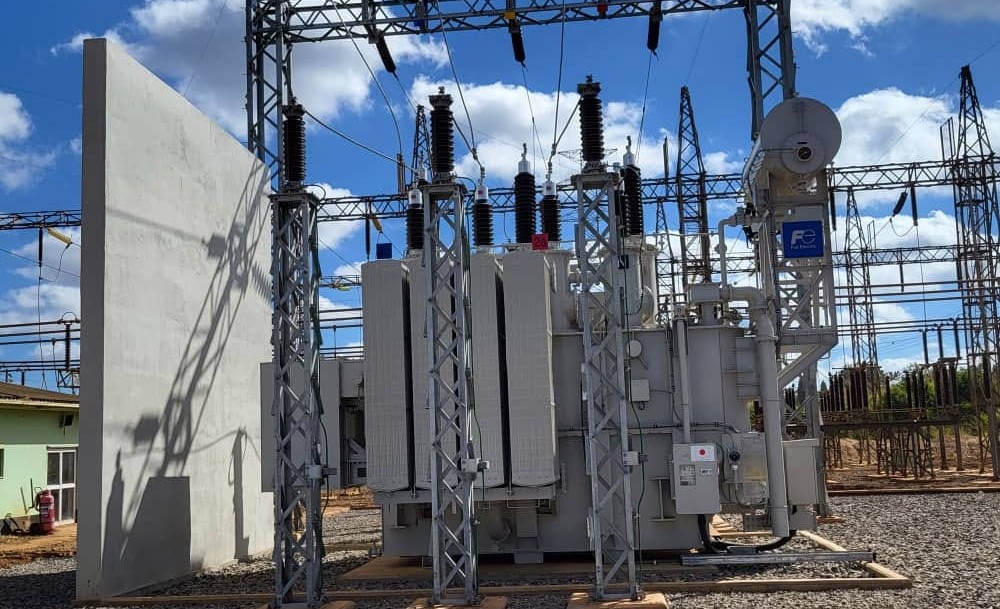
The Chilean Renewable Energy and Storage Association (ACERA) announced that Chile has established a diverse renewable energy blend. It currently encounters structural limitations associated with grid congestion, curtailment, and increasing demands for flexibility. In 2025, the national electricity grid produced 87 TWh, with renewable sources contributing 63.3% of the generation. Alternative renewable sources made up 42.4% of generation, whereas energy storage made up 65.5% of supply. Energy curtailment in Chile leads to lower decarbonization efficiency and heightened demand for grid upgrades. Tackling grid congestion requires the expansion of high-voltage transmission, sophisticated grid management systems, and the integration of flexible demand. Long-term grid development seeks to cut structural constraints by integrating battery storage, advancing hydrogen technology, and implementing dynamic transmission strategies. ACSR cables allow Chile to reach its renewable energy and decarbonization objectives
ACSR cables offer a unique combination of high strength and efficient conductivity that makes them ideal for the challenging task of transmitting power from remote renewable zones. The cables serve in the construction of high-voltage lines that transmit clean energy. ACSR cables support grid upgrades that manage grid congestion and ensure a stable power supply. The cables transmit electricity from dedicated solar and wind farms to the electrolyzer facilities that produce hydrogen. They also power the infrastructure needed for its storage and export. Expanding the grid upgrades increases line capacity and reduces transmission losses. This makes the system more efficient and reliable for integrating new power sources. ACSR cables connect smaller-scale renewable energy producers and microgrids to the main grid. They connect a smaller solar farm or a micro-hydropower plant in the Andes to the national network. This promotes energy diversity and security in remote communities.
Quality assurance for ACSR cables in Chile’s transmission grid expansion
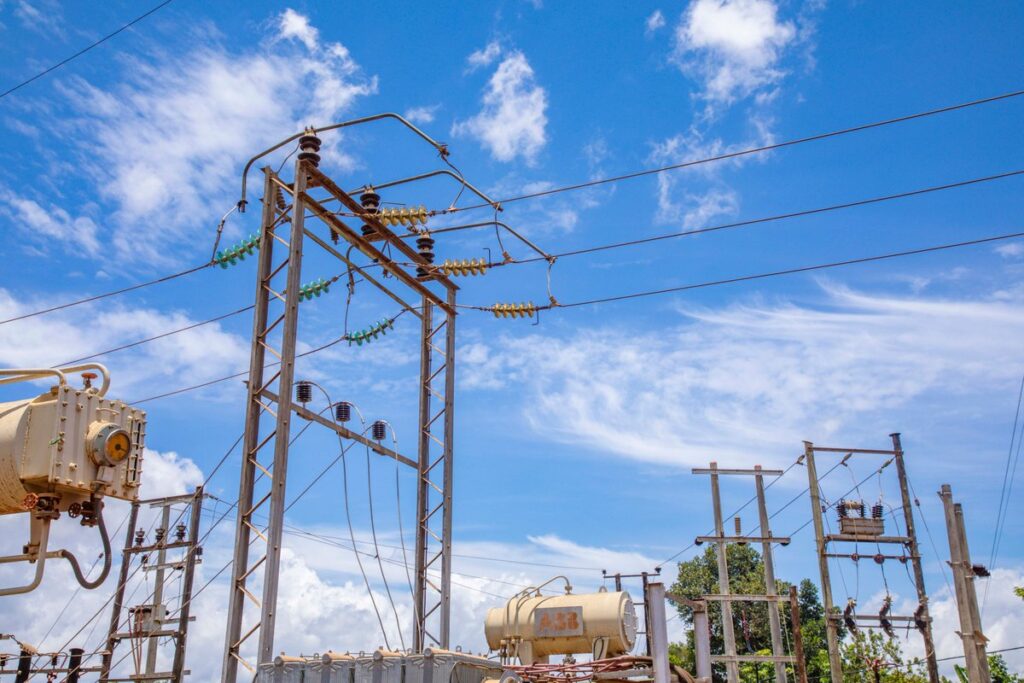
Quality assurance for ACSR cables is a structural reliability issue for transmission grid expansion. It is a crucial process for long transmission spans, desert corrosion exposure, seismic activity, and high renewable penetration. Quality assurance validates mechanical strength, electrical efficiency, and long-term durability before installation. The performance of the ACSR cables depends on the quality of aluminum strands and the steel core. These materials undergo galvanization thickness validation and tensile strength and yield properties confirmation. The QA process also includes manufacturing process control, mechanical testing, electrical performance verification, and environmental testing. A robust quality assurance process ensures structural integrity, reduced outage risk, lower lifecycle maintenance costs, and compliance with grid reliability mandates. Quality assurance for the cables prevents catastrophic and expensive failures in transmission networks.
Key roles of ACSR cables in Chile’s transmission grid expansion
ACSR cables are structural and electrical components in Chile’s grid expansion. The conductors serve in interconnection between large-scale solar, wind, hydro, and mining systems across Chile. ACSR cables enable large-scale renewable integration, strengthen transmission capacity, and improve system resilience. Here are the roles of ACSR cables in transmission line expansion.
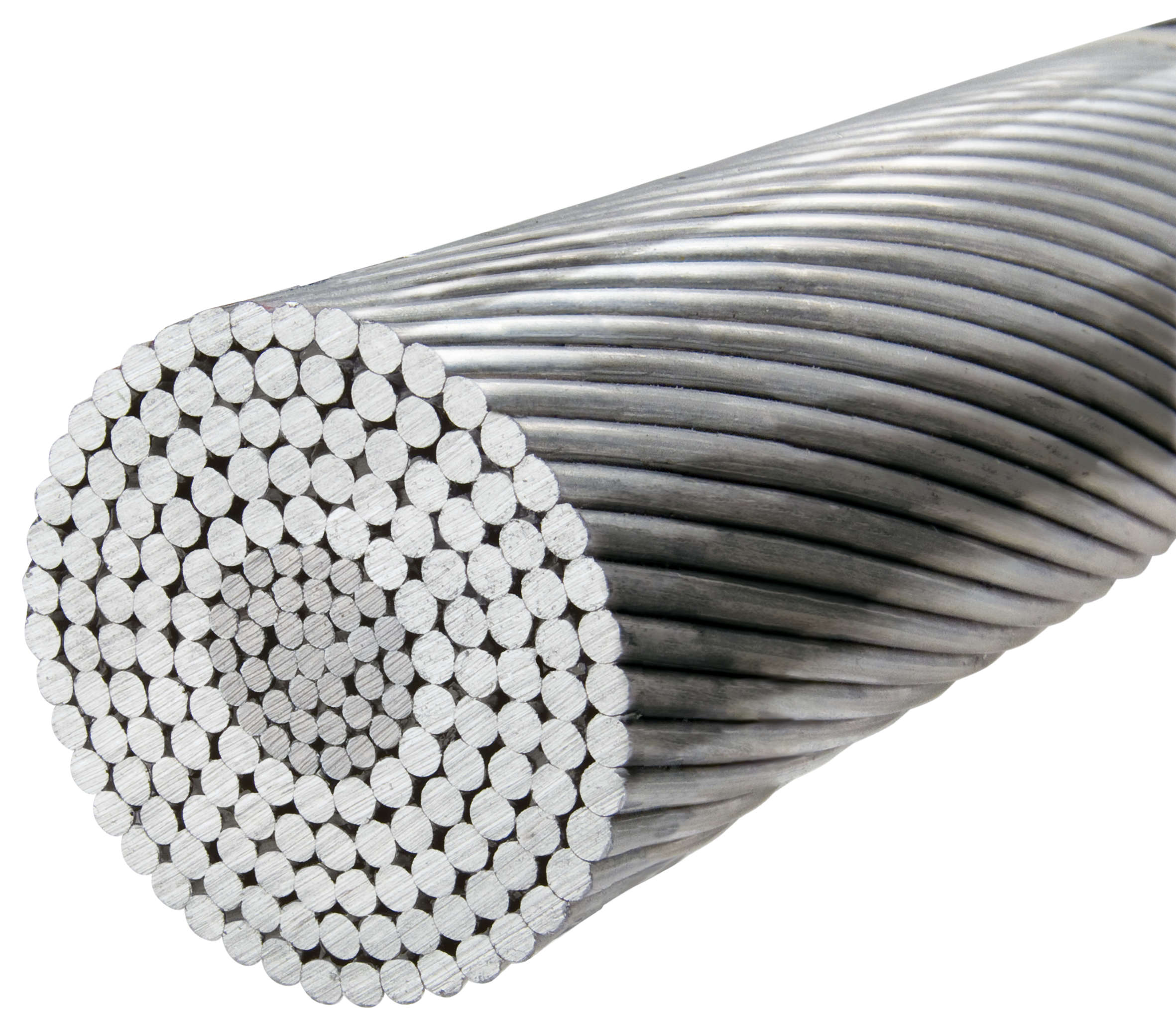
- Bulk power transmission over long distances—ACSR cables function as primary current-carrying conductors in high-voltage and extra-high-voltage lines. They ensure efficient transmission of bulk renewable energy.
- Mechanical load-bearing—the steel core in ACSR cables helps withstand high tensile loads. It also helps support conductor weight over long distances.
- Enabling renewable energy integration—the cables serve as the physical pathways connecting renewable plants, collector substations, and step-up transformers.
- Thermal performance under variable generation—ACSR cables handle peak solar midday injection and rapid ramping events. Their design allows thermal ratings and controlled thermal expansion.
- Supporting grid expansion and redundancy—ACSR cables allow utilities to increase transmission capacity and reduce congestion.
Frequent reasons for grid and energy limitations in Chile
In Chile, grid and energy curtailment occurs because the growth of renewable generation capacity outpaces the development of transmission, flexibility, and demand-side adjustments. This leads system operators to decrease production from existing plants in order to ensure frequency stability, adhere to voltage limits, and maintain transmission security margins. These factors consist of:
- Transmission congestion occurs when generation increases, leading to transmission lines hitting their capacity. This results in delays for reinforcing the 500 kV backbone, bottlenecks for substation upgrades, and extended environmental permitting.
- Quick growth in renewable capacity—increased solar and wind power in Chile leads to supply surpassing demand, causing marginal prices to plummet, and solar dispatch is limited.
- Restricted implementation of energy storage—BESS could assist in capturing excess energy during midday and reallocating it to meet evening peak demand. Storage assists in decreasing renewable energy curtailment and enhances flexibility in controllable generation.
- Grid stability and operational limitations—security requirements for operations can lead to voltage control restrictions, frequency regulation margins, and reactive power discrepancies.