
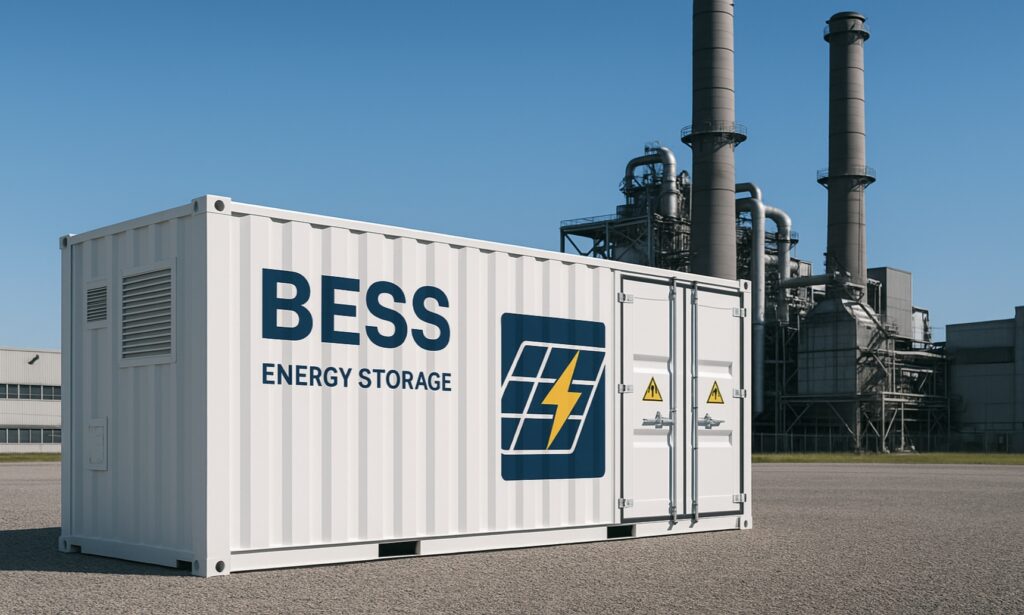
Recently, Argentina’s government awarded 667 MW BESS projects installed in critical locations in the Buenos Aires Metropolitan area. Previously, the AlmaGBA storage tender had 15 companies submit 27 projects for 1,347 MW of capacity. It has the high private sector interest and competitive bids that resulted in raising the awarded capacity by an extra 150 MW. This marks Argentina’s entry into the global storage race with countries like Chile and Brazil in deploying large-scale BESS to modernize their grids. The key drivers behind the BESS push in Argentina include grid reliability, renewable integration, economic efficiency, decarbonization, and investment appeal. BESS projects act as shock absorbers during faults, surges, or load peaks. This ensures fewer blackouts and allows the energy to be stored and released later. BESS development generates jobs in engineering, construction, operations, and maintenance. Fuse cutouts in BESS projects focus on protection, isolation, and safety.
Protecting the transformer with a robust, simple, and field-proven device like a fuse cutout helps safeguard the investment. The fuse cutout has a fuse element inside designed to melt and break the circuit during a sustained overcurrent condition. This isolates the faulty section to prevent damage to more expensive equipment upstream and to maintain grid stability. The fuse cutout automatically isolates the faulted segment of the circuit to allow the rest of the system to continue operating normally. In BESS installations, the fuse cutout installs on the primary side of the transformer. It acts as the primary protective device for the transformer. Fuse cutouts provide a cost-effective and highly reliable means of preventing failures. It prevents a transformer fault from escalating into a more widespread outage on the distribution feeder.
Functions of fuse cutouts in BESS project development
Fuse cutouts in BESS projects ensure safety, reliability, and maintainability. Fuse cutouts are protective devices used in distribution networks. They combine a fuse element with a mechanical switch that disconnects the faulty circuit. Fuse cutouts provide localized protection for transformers, feeders, and power electronics. The cutouts isolate faults, protect equipment, and enable safe maintenance to ensure grid resilience. Here are the roles of fuse cutouts in BESS project development in Argentina.
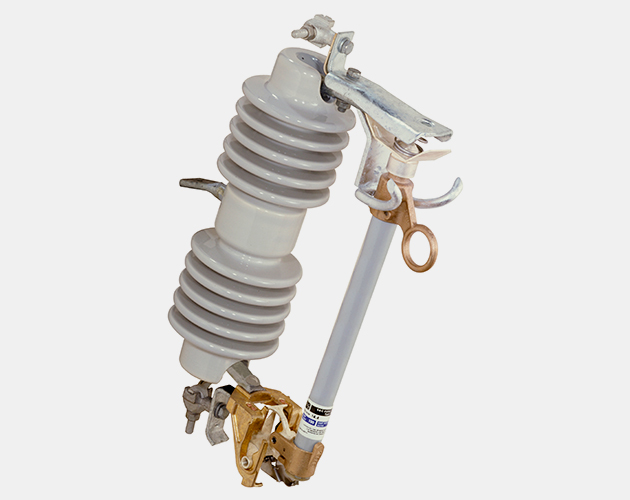
- Overcurrent protection—fuse cutouts protect BESS transformers and feeders from short circuits or overloads. In case of a fault in the battery inverter, transformers, or grid connection, the fuse blows to isolate the faulty section.
- System isolation for maintenance—fuse cutouts provide a visible break in the circuit, giving the field crews a clear sign of fault location. This allows safe isolation for maintenance to speed up fault detection and restoration.
- Protecting power conversion system—inverters and control electronics are sensitive to surges and faults. Fuse cutouts ensure faults do not escalate into major equipment failure.
- Supporting grid reliability—fuse cutouts reduce the risk of widespread blackouts by providing localized fault-clearing. This makes the grid more resilient while integrating new storage capacity.
- Enhancing safety for operators—fuse cutouts ensure that faulty circuits are automatically disconnected to reduce risk for operators. The visible open fuse arm provides clear confirmation that a section is de-energized.
Technologies supporting BESS project development in Argentina
Battery energy storage systems (BESS) projects depend on various technologies that ensure efficiency, safety, and integration into the national grid. The technologies range from advanced battery chemistries and digital EMS to protective devices and hybrid renewable integration. Technologies that make up Argentina’s 667 MW storage include:
- Advanced battery technologies—this includes lithium-ion, lithium iron phosphate, and next-gen chemistries. They enable Argentina to store excess wind and solar, reduce curtailment, and release clean power during peak demand.
- Power conversion systems and inverters—these technologies link the DC batteries to the AC grid. Modern inverters allow fast charge and discharge and provide services such as frequency regulation, voltage control, and black start capability.
- Energy management systems (EMS software) optimize charging, discharging, and state-of-charge in real time. This maximizes project profitability while providing reliable backup and other services.
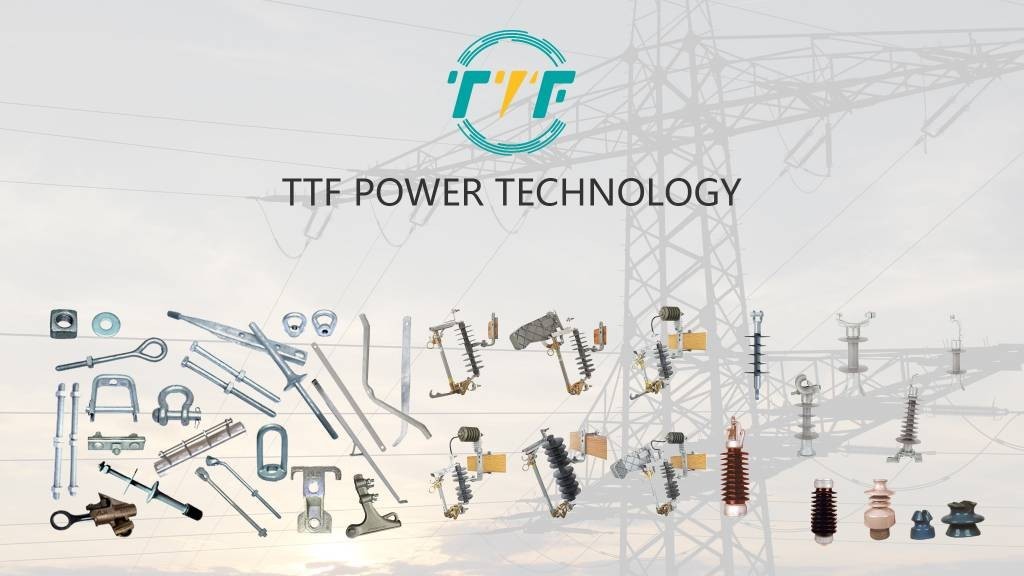
- Protection and safety devices—these include distribution arresters, fuse cutouts, circuit breakers, and fire suppression systems. They reduce technical and investment risks, which makes BESS projects more bankable for global investors.
- Hybrid renewable-BESs configuration—some of the projects collocate with wind and solar plants using shared inverters and control systems. This reduces costs and enhances capacity firming for renewable generation.