

Zelestra, a Spanish renewable energy company, has been expanding its solar portfolio in South America. The San Martin solar PV farm is one of the key projects contributing to Peru’s renewable energy transition and industrial growth. The solar project has a capacity ranging from 40 to 100 MW and is expected to power industries and displace fossil fuel-based generation. Zelestra used up-to-date technology and innovation to maximize solar power generation. These include bifacial solar panels, single-axis trackers, smart inverters, and grid stability. It also interconnects with the main grid, thus reducing carbon emissions, creating jobs, and ensuring energy security. Solar power is crucial in Peru’s industrial, mining, and solar sectors. It also provides local manufacturing for products like suspension clamps sourced from Peruvian metalworks, boosting the industrial sector. Such companies can showcase their solar innovations at the upcoming Expo Peru Industrial trade show.
Using high-quality clamps in solar PV installations helps ensure the secure fastening of cables, conductors, and mounting systems. Suspension clamps contribute to the structural integrity and efficiency of solar power plants like Zelestra’s San Martin solar PV farm. Suspension clamps hold wiring in place along mounting structures and prevent sagging and damage from wind and wildlife. Proper cable suspension reduces wear and tear and reduces fire risks in Peru’s high-UV and dusty environments. Adjustable clamps accommodate Peru’s mix of utility-scale ground mounts and industrial rooftop solar. Peruvian solar farms use galvanized steel or aluminum clamps to resist coastal salt corrosion and Andean UV degradation. Suspension clamps organize extensive cabling across vast arrays. They are also able to endure dust and mechanical stress near mining operations. Using smart clamps with sensors helps track tension and wear for predictive maintenance.
The roles of suspension clamps in solar PV plant development in Peru
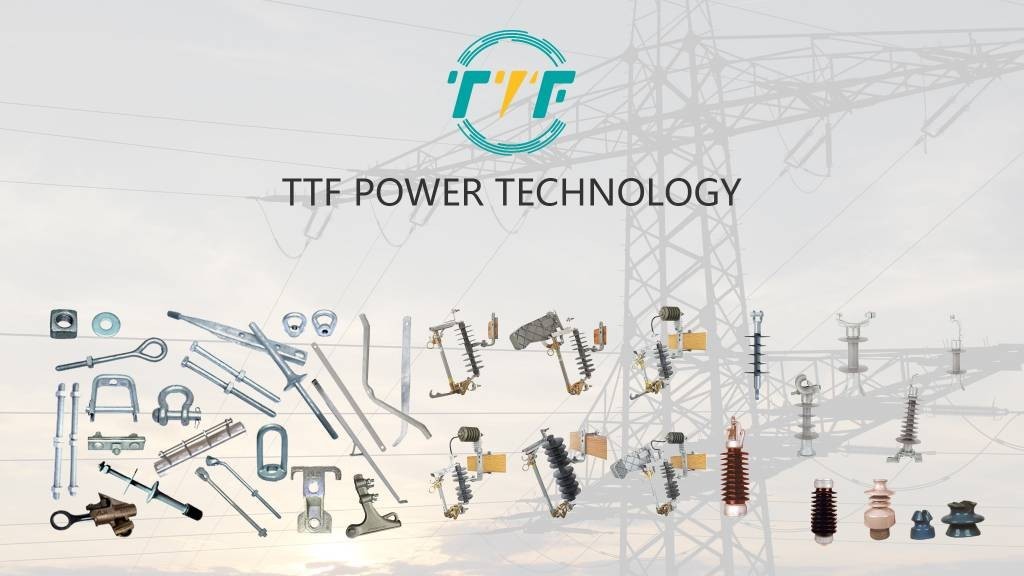
Suspension clamps are electromechanical for ensuring safe, efficient, and reliable transmission of solar-generated electricity from the PV fields to substations and the grid. The clamps are metallic fittings used to secure conductors to transmission towers or poles. They do so without compressing or damaging the cables. Suspension clamps relieve stress during temperature expansion or contraction and line vibration from long-distance transmission. Here are the roles of suspension clamps in solar PV projects.

- Secure transmission of solar energy—the solar project includes overhead transmission infrastructure connecting the 300 MW solar farm to local substations. Suspension clamps hold high-voltage conductors in place, allow for vertical suspension of conductors, and reduce wear at conductor-hardware contact points.
- Vibration and wind stress reduction—suspension clamps reduce aeolian vibration that could fatigue conductors. They also absorb minor shocks and mechanical oscillations.
- Thermal expansion flexibility—intense sunlight causes thermal expansion in aluminum and copper conductors. Suspension clamps allow limited longitudinal movement of cables due to heat and prevent sagging, excessive tension, or cable snapping.
- Support for future upgrades—suspension clamps provide modular, reusable support for expanding transmission lines. This ensures the project connects to larger industrial hubs for other industries like mining. They also ensure the projects meet grid reliability and safety regulations.
Solar PV plant in Peru’s decentralization goals
Energy decentralization is the distribution of power generation across various regions away from centralized grids. It helps strengthen regional energy autonomy, bring generation closer to demand centers, reduce transmission bottlenecks, and empower local governments. Here are the roles of solar PV plants in decentralization.
- Shifting generation—the San Martin solar project reduces reliance on centralized fossil and hydro assets. It also supplies clean electricity to regional grids and mining corridors.
- Supporting industrial hubs—the solar project provides reliable energy for industrial consumption. It makes up the backbone infrastructure for clean mining supply chains in the country.
- Reducing grid congestion and transmission losses—decentralized power generation close to load centers lowers transmission losses and reduces pressure on overburdened central corridors. The plant also adds battery storage and integrates with microgrids for enhanced regional grid independence.
- Enhancing energy security—solar PV plants reduce blackouts and voltage drops in remote regions. The project improves energy access for rural communities, system resilience, and energy reliability for critical infrastructure.
- Local renewable ecosystems—the project encourages regional investment in new solar, wind, and hydro. It also provides training for local workers in PV installation and grid management. This creates regional energy clusters, advancing the decentralization pillar of Peru’s national energy policy.