

Argentina is considering measures to promote green hydrogen production and its integration with renewable sources to lower emissions. This initiative aims to lower emissions, cut expenses, and maintain lasting competitiveness. Producers are more frequently utilizing electricity instead of diesel to operate drilling rigs, pumping stations, and midstream facilities. This electrification reduces fuel expenses and emissions, thereby securing the sustainability of shale extraction in the long run. Renewable energy contributes to stabilizing long-term operational costs in volatile fuel markets. This will aid in safeguarding upstream economics against price volatility and currency risks. This progress results in the establishment of extra supportive infrastructure, such as roads, pipelines, storage spaces, and improved oil extraction operations. This type of development requires insulator pins for safety and stability
Insulator fittings electrically isolate the pipelines from the support or the ground while providing mechanical stability. Insulator pins provide electricity to facilities powering oil and gas extraction sites, pumping stations, and processing plants. The insulator fittings bolt to the cross-arm, holding the electrical conductor and keeping it grounded. They allow for some articulation and movement due to thermal expansion, contraction, and wind-induced sway. This is critical to preventing the accumulation of hazardous stress concentrations in the pipeline or support structure.
In Argentina, the insulator pin secures the pipeline’s physical integrity to withstand the weight. Using the insulator fittings addresses vibration, thermal expansion and contraction, and UV degradation. They have shear strength to resist horizontal forces that could cause the pipeline to shift off its support. Most pipelines run parallel to high-voltage DC power lines or other buried metallic structures. In case of stray currents, they can enter the pipeline and cause intense and localized corrosion. Insulator pins help prevent uncontrolled stray currents from using the pipeline as a convenient path to mitigate corrosion.
The significance of utilizing insulator pins in Argentina’s hydrocarbon infrastructure.
The rapid growth and concentration of well pads in Vaca Muerta lead to a significant increase in equipment. The use of dependable insulator pins offers assistance to contemporary oil and gas activities. The pins secure pin-type insulators on poles that uphold conductors supplying pumping units, compressor stations, and drilling pads. This avoids line droop, connection issues, and interruptions that might halt operations. Insulator pins lower the chances of short circuits and flashovers. This is crucial in metal-rich settings such as oilfields, fuel processing facilities, and pipeline management regions. Robust insulator pins offer structural strength and extended durability. This maintains reliable overhead infrastructure close to shale pads and pipeline routes. Furthermore, they play a vital role in energy advancement in Neuquén and Patagonia, where new transmission and distribution networks are established
Purpose of the insulator pins in hydrocarbon production infrastructure
Insulator pins are vital in modernizing fields, expanding transmission systems, and connecting fossil operations to cleaner energy sources. They support safe, efficient power delivery to drilling sites, compressor stations, pipelines, refineries, and remote field facilities. This makes them the electrical backbone of Argentina’s hydrocarbon value chain. Here’s how they fit into Argentina’s hydrocarbon-producing infrastructure.

- Electrical insulation for field power systems—insulator pins secure electrical insulators to poles. This keeps energized conductors separated from support structures.
- Reliable power in harsh operating conditions—insulator pins ensure mechanical stability and consistent insulation performance in diverse environments.
- Enhanced safety for workers and critical equipment—insulator fittings reduce the risk of arc faults and equipment damage. This protects workers and maintains safe workflows around pipelines, rigs, and processing assets.
- Supporting grid extension and electrified field operations—insulator pins enable dependable energy transmission to remote pumping stations, drilling pads, and transport terminals.
The function of insulator fittings in renewable energy systems
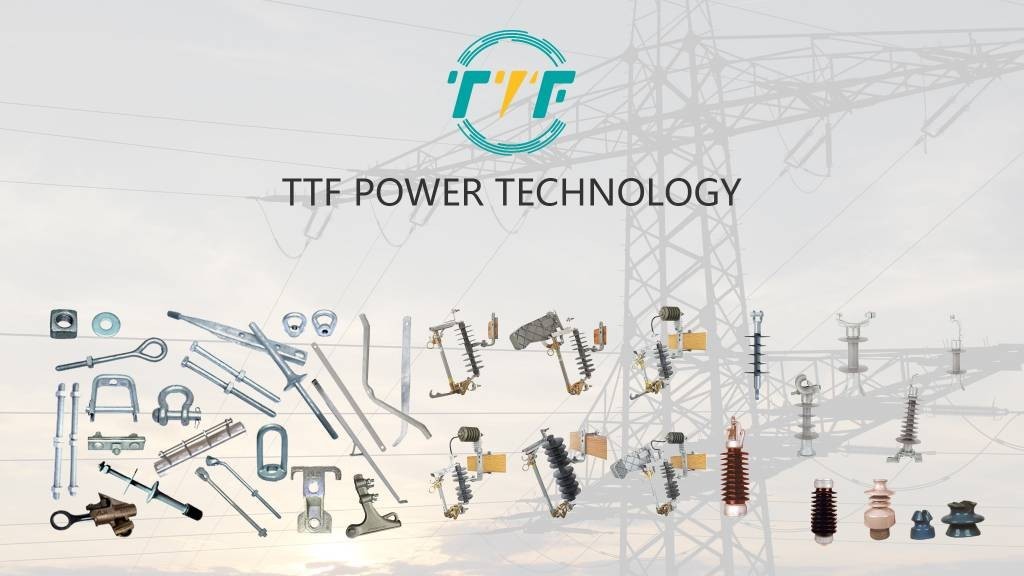
Argentina is progressively integrating renewable energy into its hydrocarbon extraction. Patagonia’s wind turbines need strong overhead cables to deliver energy to industrial areas. Insulator pins attach insulators to poles to maintain a clear divide between live conductors and grounded equipment. This is essential for solar-battery-gas hybrid setups that depend on overhead feeders for internal power distribution. Additionally, with the expansion of renewable energy, enhancing the grid requires dependable components to handle higher voltage levels and load flows. Insulator pins hold high-voltage wires securely to cut outages and energy losses. They also assist in establishing new overhead lines to guarantee solar and wind locations connect with regional grids.