
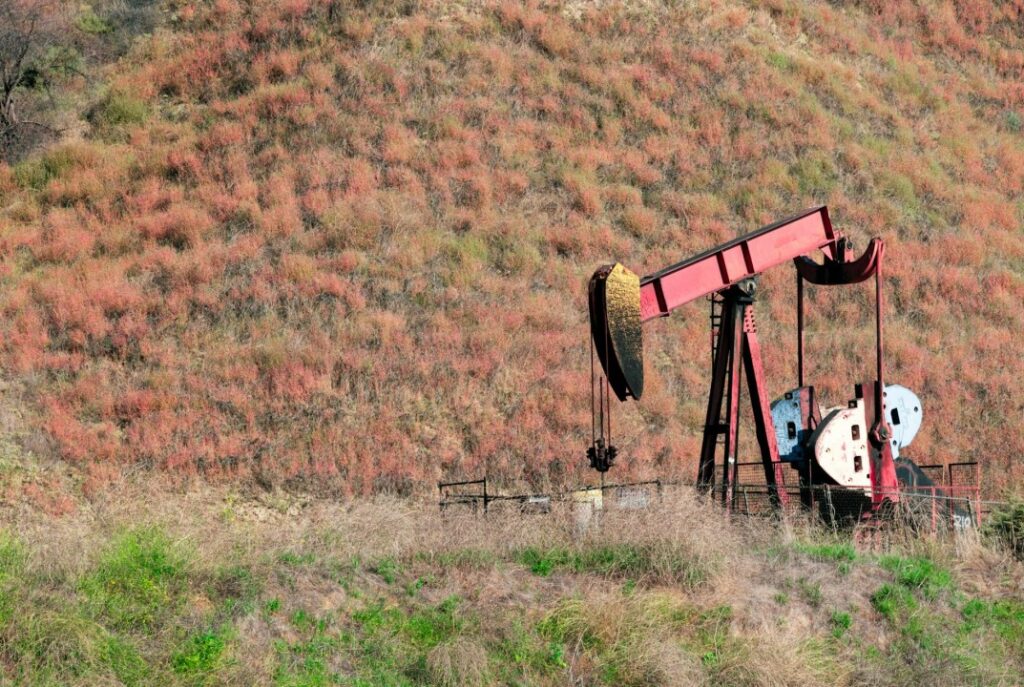
Venezuela’s oil reserves have previously faced a severe decline in their oil production and refining capacity due to economic mismanagement and underinvestment. However, there have been efforts to revive production and restore refineries driven by geopolitical shifts, sanctions relief, and foreign partnerships. Chevron was allowed to expand operations in joint ventures with PDVSA, boosting output. Other companies like Repsol and Eni received limited sanctions waivers. Crude oil in the Orinoco Belt requires diluents, which are in short supply. These are the common challenges the country faces. Others include infrastructure decay leading to frequent power outages, pipeline leaks, and well collapses. Venezuela’s refining network has been operating at 20-30% capacity due to years of neglect, lack of maintenance, and sanctions. The future of oil production in the country depends on geopolitics, investment inflows, and PDVSA’s ability to modernize. Using guy strains helps stabilize drilling rigs, wellhead structures, and production equipment.
Given PDVSA’s challenges with aging facilities, sanctions-related equipment shortages, and frequent mechanical failures, using the guy strain ensures safe and efficient oil recovery operations. Guy strains are tensioned cables used to stabilize drilling rigs, derricks, communication towers, and wellhead structures. PDVSA’s wellheads, flare stacks, and pumping units often suffer from corrosion and foundation weakening. Proper guy wire tensioning helps prevent catastrophic failures like wellhead collapses and pipeline ruptures. For instance, Lake Maracaibo’s platforms need constant guy wire adjustments due to subsidence and corrosion. Venezuela’s Orinoco Belt and eastern fields experience heavy rains and soil instability. Guy strain must be regularly checked to prevent accidents in these regions. Sanctions have limited access to high-quality steel cables, forcing PDVSA to rely on makeshift solutions, increasing risks.
Guy strains in Venezuela’s oil recovery and resumption efforts
The guy strain is the tensioned support wire used to stabilize utility poles and towers. It plays a structural and operational role in ensuring that the energy infrastructure supporting oil operations remains secure and functional. A guy strain is a high-tensile steel wire or cable anchored to the ground or another fixed point. It helps to counterbalance the mechanical loads acting on poles, masts, or towers. It prevents tipping, leaning, or swaying caused by wind pressure, uneven conductor tension, vibration from electrical loads, and environmental impacts. Here are the functions of guy strain in Venezuela’s oil sector.
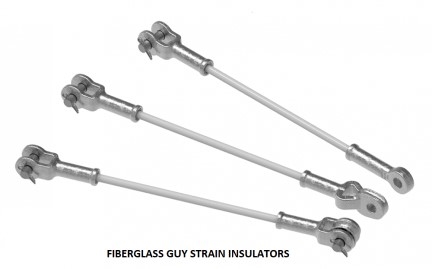
- Stabilizing overhead power lines for oil facilities—oil production and refining needs uninterrupted electricity. Guy strains keep poles upright and properly aligned near wellheads, pump stations, and processing units.
- Supporting emergency power restorations—guy strains enable rapid deployment of utility poles in uneven landscapes. They ensure lines are tensioned and structures are safe during restoration phases.
- Preventing structural failures during oil logistics—guy strains absorb lateral mechanical forces to prevent infrastructure failures that could disrupt oil transport, telemetry, or safety systems.
- Securing poles near flood areas—guy strains help poles withstand soil movement, high winds, and storm surges. They help reduce collapse risk in critical areas such as refinery perimeters and terminal yards.
Key challenges limiting oil recovery and resumption in Venezuela
The resumption and expansion of oil recovery in Venezuela through PDVSA and its joint ventures face various structural, political, and economic challenges. Venezuela’s energy sector is still operating well below capacity, and full recovery remains difficult. Unlocking the full potential demands stable and clear regulatory frameworks, long-term international partnerships, and massive reinvestment in infrastructure. The key barriers include
- Sanctions and regulatory restrictions—U.S. sanctions have restricted PDVSA’s ability to sell oil globally. Uncertainty over future licensing scares off investors and limits planning horizons.
- Aging infrastructure and equipment decay—many of Venezuela’s oil fields, refineries, and upgraders are old. Pumps, pipelines, storage tanks, and processing units have suffered from corrosion, leaks, and lack of spare parts. Frequent power outages cripple oil recovery and refining operations that rely on steady electricity for drilling, compression, and refining processes.
- Capital constraints and mismanagement—Venezuela faces severe liquidity issues, with limited access to credit, foreign reserves, or international funding. PDVSA cannot independently finance field rehabilitation, refinery repairs, or technological upgrades.
- Political and legal uncertainty—unpredictable government policies, expropriations, and politicized contracts create a hostile business environment. The lack of a transparent legal framework means foreign companies may be unable to enforce their rights or recover investments if contracts are violated.