
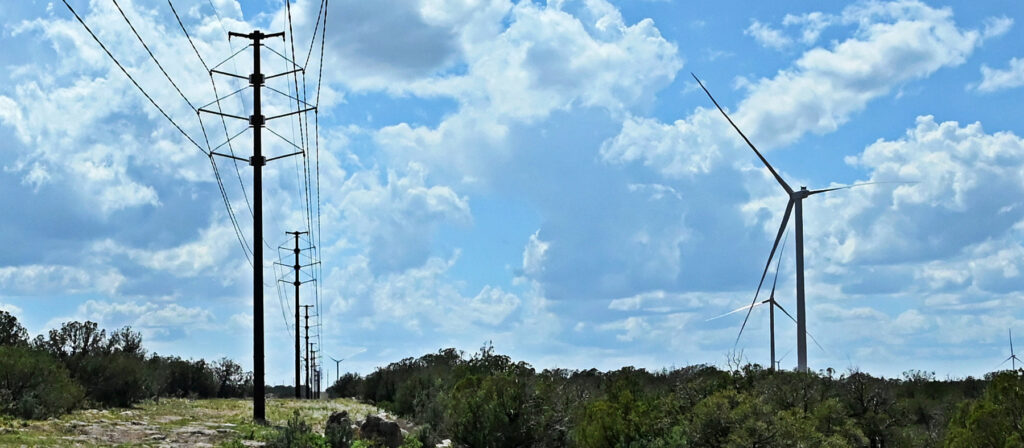
Power generation in Peru currently consists of 33 power generation projects under construction. The country is now investing approximately US$6.5 billion into these projects. The projects are expected to add more than 5,000 MW of installed capacity between 2026 and 2036. The energy portfolio consists of 11 solar power plants, 5 wind farms, 16 hydropower projects, and 1 natural gas-fired power plant. This integration shows an increasing focus on renewable generation while retaining dispatchable generation capacity through natural gas. Solar PV projects can increase renewable electricity production, reduce dependence on fossil-fuel generation, and support electricity supply for mining. Wind farms demand electrical infrastructure, creating demand for transmission towers, insulators, strain yoke plates, and substation equipment. This integration and interconnection with the national grid could reduce transmission bottlenecks, renewable-energy curtailment, congestion between generation and demand centers, and reduced system flexibility.
Strain yoke plates serve in high-voltage power transmission lines to manage the mechanical tension of conductors. They connect, distribute, and balance loads across the structural components of a power line. The yoke plates gather and distribute the heavy tension from conductors to the insulator strings and the tower structure. Its design ensures the tension is evenly shared among them to prevent component overload or failure. They serve at critical points such as angle towers, deadend or terminal towers, and tension sections where the line changes direction. Strain yoke plates allow the connection of multiple insulator strings to a single point. This ensures that if one string fails, the entire assembly will not detach. The yokes consist of materials and specific designs to withstand strong forces.
Quality assurance for strain yoke plates used in Peru’s power generation infrastructure
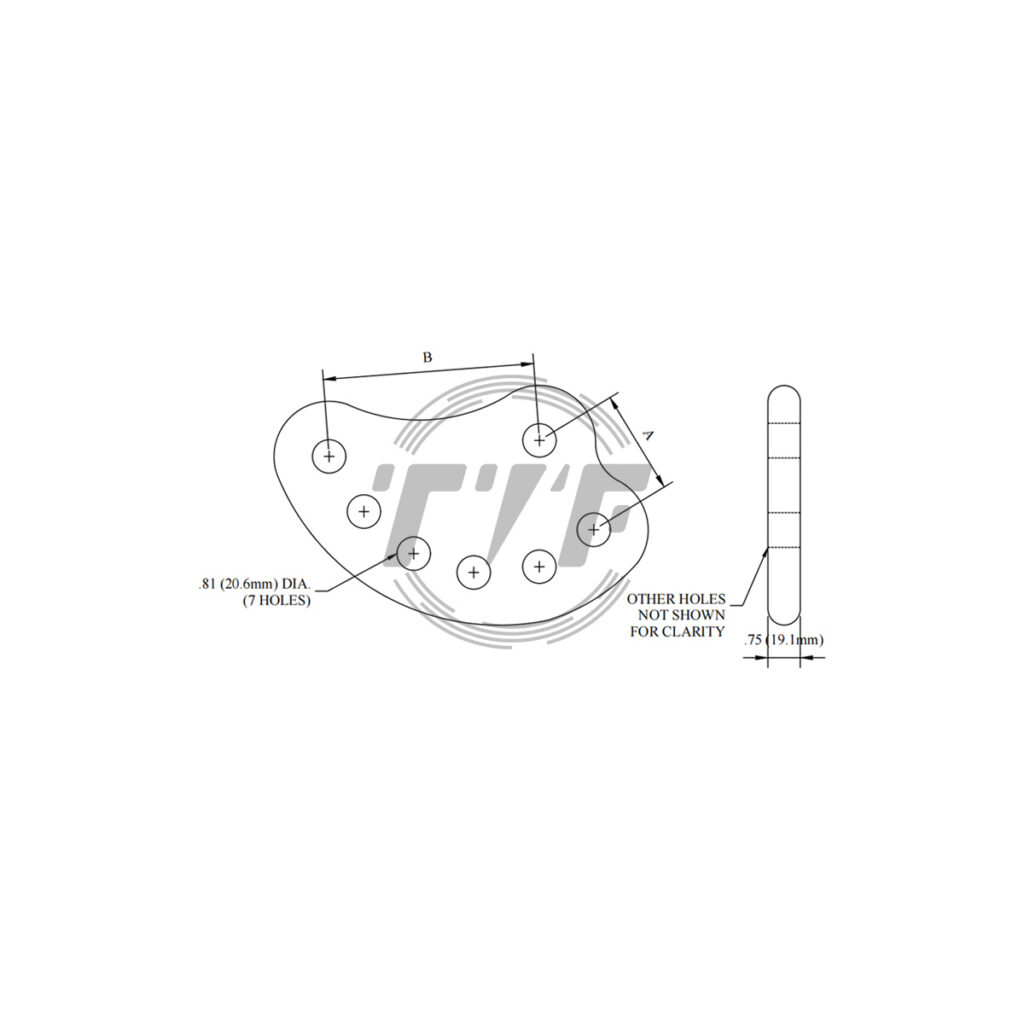
Strain yoke plates in overhead power infrastructure distribute mechanical loads between conductors, insulators, and supporting hardware. Ensuring their quality is crucial as they operate under high mechanical tension, wind loading, conductor vibration, thermal effects, and corrosive environmental conditions. Strain yoke plates serve in substations and transmission-line interfaces where generated electricity is evacuated into the grid. Quality assurance for the yokes covers raw material verification, dimensional accuracy, mechanical strength testing, load-distribution assessment, hole quality and alignment, welding quality, surface treatment, and connection compatibility. In solar power projects, strain yoke plates serve in substation structures, overhead collection systems, and insulator assemblies. In wind farms, the plates serve with overhead collection and transmission systems. QA helps prevent defects such as incorrect steel grade, insufficient plate thickness, incorrect hole positioning, cracks, weld defects, incorrect fasteners, and poor galvanization. This process ensures the yoke plate distributes mechanical loads and maintains the integrity of the connections.
Key roles of strain yoke plates in Peru’s power generation projects
Strain yoke plates support the infrastructure that collects, supports, transforms, and evacuates electricity from generating facilities into the transmission network. They connect conductors, insulators, and line hardware assemblies in transmission infrastructure. Here are their key roles in the power generation projects in Peru.
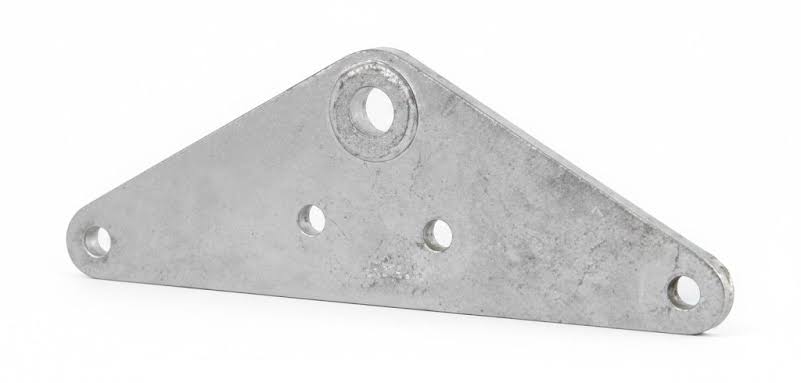
- Distributing mechanical loads—the strain yoke plate distributes mechanical loads across the conductors. It helps reduce localized mechanical stress, maintain structural stability, and protect connected fittings.
- Connecting components—the yoke plates act as an interface between different components within an overhead-line assembly. They distribute loads between insulator strings, conductor fittings, clevises, shackles, and bolted connections.
- Supporting power evacuation from generation facilities—strain yoke plates in transmission infrastructure help maintain mechanical integrity.
- Supporting solar power projects—the plates support conductor tension assemblies, distribute loads within insulator arrangements, connect line hardware, and maintain mechanical alignment.
Significance of the investment in power generation projects for Peru’s rural electrification goals
The investment in Peru’s power generation projects is crucial to rural electrification. Generation investment provides the supply foundation on which rural electrification can expand. Here is how the investment supports rural electrification.
- Increasing the electricity supply available for rural areas—new solar, wind, hydropower, and natural gas generation projects increase Peru’s generation capacity.
- Supporting the expansion of the rural grid—investment in generation strengthens the power plants and transmission network. Rural electrification projects extend the final connection to underserved communities.
- Supporting rural communities—some rural communities are difficult and expensive to connect to the grid. The investment creates opportunities for solar mini-grids, stand-alone solar systems, BESS, small hydropower, and hybrid renewable systems.
- Increasing productive use of electricity—generation investment increases the amount of electricity available for economic activities.