
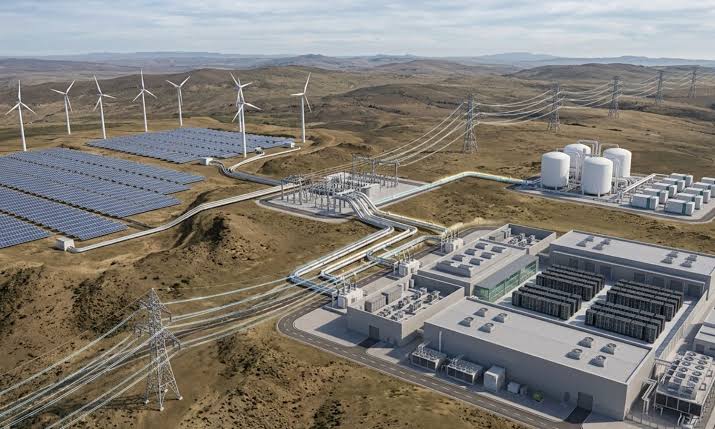
Peru is focusing on increasing investment in mining and electricity infrastructure across the 240 mining projects in 2026. The investment will focus on exploration, exploitation, and beneficiation concessions. The investment will also cover six generation projects, adding 1,096 MW of installed capacity. New mining projects could increase electricity demand, which creates a need for high-voltage transmission lines, substations and transformers, overhead line hardware, surge protection equipment, grounding systems, and distribution infrastructure. Mining companies and utilities will need equipment that can operate under demanding conditions. This is including suspension clamps, deadend fittings, insulators, grounding clamps, and parallel groove connectors. Additionally, quality assurance for this hardware will enhance their resilience in the mining environmental conditions. This hardware will support the planned 240 mining authorizations that could strengthen the investment in pipelines. The extra 1,096 MW of generation and transmission projects could improve the infrastructure foundation for industrial growth.
Parallel groove connectors in the mining infrastructure join conductors in mining and power generation. They create a secure, low-resistance connection for efficient and safe power distribution. Parallel groove connectors connect cables for power distribution, lighting, ventilation, and heavy machinery like excavators and crushers. In power generation infrastructure, the connectors help in splicing, tapping, and connecting overhead transmission lines, grounding systems, and substation equipment. Parallel groove connectors are able to withstand high vibration, mechanical stress, and corrosive conditions. They are also able to handle high current loads with minimal resistance to prevent energy loss and overheating. This is due to their ductile iron, aluminum, and bronze alloys. These materials provide high strength, wear resistance, high conductivity, and corrosion resistance. Parallel groove connectors provide a reliable path for fault currents and protect against lightning strikes.
Quality assurance for parallel groove connectors used in mining and power generation
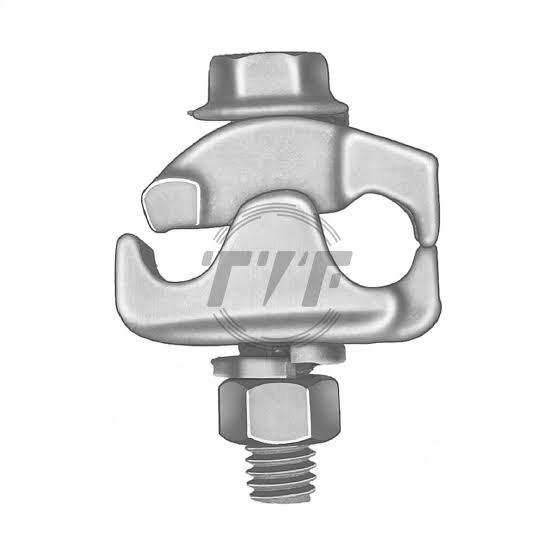
Parallel groove connectors serve in Peru’s mining, generation, transmission, and distribution infrastructure. They establish electrical connections between conductors for tapping, bonding, grounding, or joining conductors. The connectors maintain stable electrical and mechanical performance throughout their service life. Conducting quality assurance for the parallel groove connectors helps prevent poor surfaces, inadequate clamping force, incorrect dimensions, or material defects. QA verifies initial contact resistance, resistance stability after thermal cycling, contact pressure, conductor-to-connector interface, and current-carrying capacity. It also verifies material quality, controls contact surfaces, tests mechanical strength, and ensures thermal performance. During installation, QA confirms correct conductor size, proper conductor preparation, correct connector orientation, correct bolt sequence, proper tightening verification, and post-installation inspection. A quality-assured connector offers electrical safety for personnel working around substations, processing plants, distribution systems, and mining equipment.
Functions of parallel groove connectors in Peru’s mining and power generation infrastructure
Parallel groove connectors establish secure conductor-to-conductor connections in electrical hardware. They create a low-resistance electrical path while maintaining enough mechanical contact pressure between conductors. Here are their key functions in the mining and power generation infrastructure.
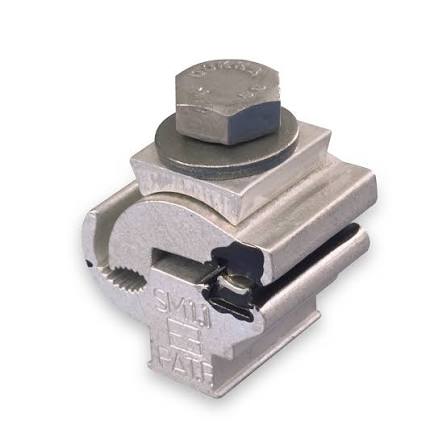
- Creating electrical tap connections—parallel groove connectors connect a branch or tap conductor to a continuous main conductor. The connector’s clamping arrangement maintains contact between the conductors and provides a conductive path needed for current flow.
- Maintaining electrical continuity – the connectors help maintain electrical continuity between joined conductors. It also provides a large contact area and enough mechanical pressure to keep contact resistance low.
- Supporting grounding and bonding – parallel groove connectors connect grounding and bonding conductors. They contribute to equipment bonding, grounding conductor connections, substation grounding networks, and pole and structure grounding.
- Supporting power distribution in mining facilities – PG connectors support and connect crushers, conveyors, pumps, ventilation systems, processing plants, and milling equipment.
Key challenges in Peru’s mining and power generation goals
Peru’s ambitions for expanding mining investment and electricity generation will need more than approving new projects. The industry will have to address challenges such as the following:
- Low permitting and regulatory complexity – mining projects need approvals covering environmental matters, land access, water, infrastructure, construction, and operations.
- Social conflicts and community acceptance – large mining projects face opposition related to land use, water resources, environmental impacts, employment, and the distribution of economic benefits.
- Insufficient transmission capacity – the country needs enough transmission and sub-transmission capacity to move electricity to mining regions and growing demand centers.
- Grid reliability and resilience – a disruption in electricity supply can affect crushing, milling, pumping, ventilation, mineral processing, and other continuous processes.