
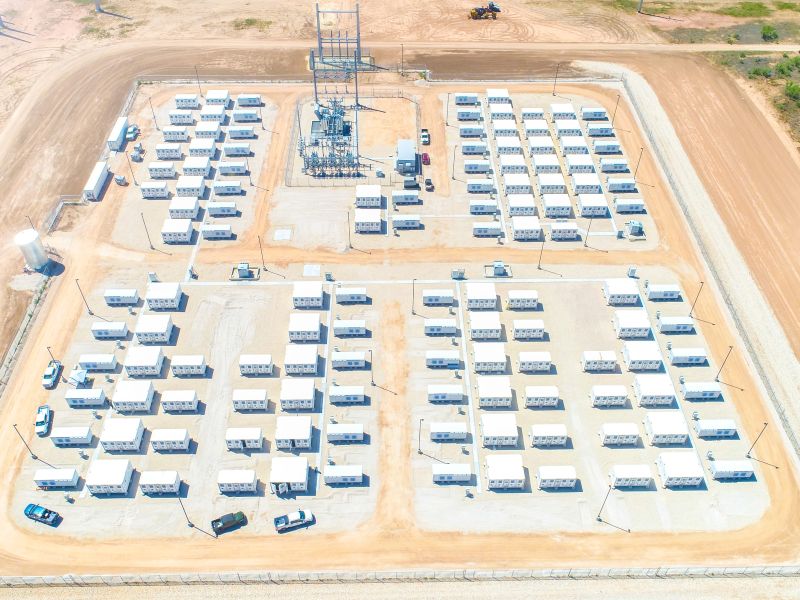
Argentina plans to invest 31 billion in large-scale battery energy storage systems to strengthen grid reliability and reduce recurring blackouts. The project is a significant step toward the modernization of Argentina’s electricity infrastructure by using battery technology. It will help improve power system flexibility instead of relying solely on grid expansion. The BESS project combines 25 MW of power capacity with 125 MWh of energy storage. This allows it to deliver electricity at its maximum output for five hours. Blackouts in Argentina arise from significant pressure on distribution transformers, local substations, transmission lines, and urban distribution feeders. Increased demand on capacity causes equipment overloads, voltage drops, frequency instability, and emergency load shedding. BESS helps relieve network congestion, support grid frequency, improve voltage stability, and support renewable energy integration. These connections will cause the need for robust power line hardware such as straight-line deadends.
Straight-line deadends connect a battery energy storage system to the power grid. They provide secure mechanical anchor points for overhead power lines. The deadends install at the end of a run of cable to terminate and hold the conductor under high tension. It holds the full mechanical tensile load of the conductors. They prevent heavy mechanical stress from being transferred to more sensitive equipment by anchoring the main lines. Deadends help distribute the pulling force around the pole to prevent damage from stress concentrations. Straight-line dead ends provide a stable attachment for the wires that connect to the project’s step-up transformer.
Quality assurance for straight-line deadends in Argentina’s BESS projects
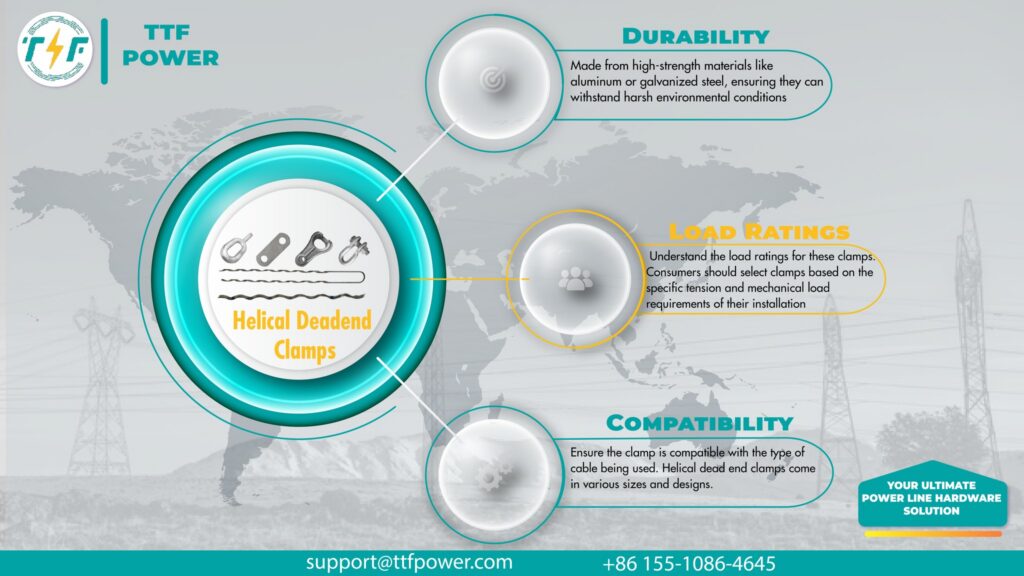
Argentina is expanding its BESS infrastructure to improve grid reliability and integrate renewable energy. Straight-line deadends in the infrastructure secure overhead conductors and ensure the mechanical stability of power connections. Conducting quality assurance for the deadends ensures they can withstand the demanding electrical, mechanical, and environmental conditions encountered by the BESS. Quality assurance ensures that the straight-line deadends are manufactured, tested, and inspected to meet established technical specifications, industry standards, and project requirements. QA covers raw material selection, manufacturing, mechanical testing, surface protection, dimensional inspection, and final product verification. A robust QA program ensures that every straight-line deadend performs under continuous mechanical tension, environmental exposure, and operational loading. High-quality straight-line deadends maintain safe, resilient, and efficient electrical infrastructure that supports the evolving energy transition.
Functions of the straight-line deadends in Argentina’s BESS projects
Straight line deadends secure conductors under full mechanical tension and ensure reliable power transmission between substations, transformers, and renewable energy plants. The deadends maintain the safety, stability, and long-term performance of the electrical networks supporting the energy storage sector. Here are their key roles in BESS projects.
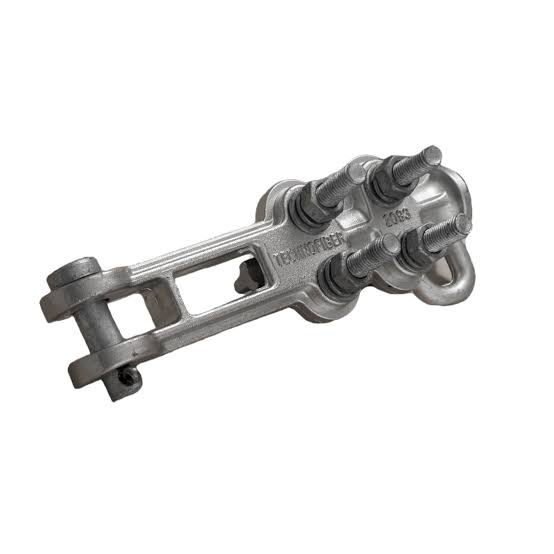
- Maintaining conductor tension – straight-line deadends hold overhead conductors under their designed mechanical tension. Proper tension prevents excessive conductor sag, maintains safe ground clearances, and ensures stable operation under varying electrical and environmental conditions.
- Securing grid connections—straight-line deadends provide secure conductor termination that helps ensure uninterrupted power transfer during charging and discharging operations.
- Supporting renewable energy integration—the deadends support the overhead lines that transmit renewable electricity from generation sites to BESS facilities.
- Withstanding mechanical loads – overhead conductors face mechanical forces generated by wind loading, ice accumulation, and thermal expansion and contraction. The deadends withstand these forces without slipping or failing.
- Supporting reliable power delivery—the deadends maintain stable conductor positioning and ensure consistent performance.
BESS projects reducing the use of diesel and fossil fuels in Argentina
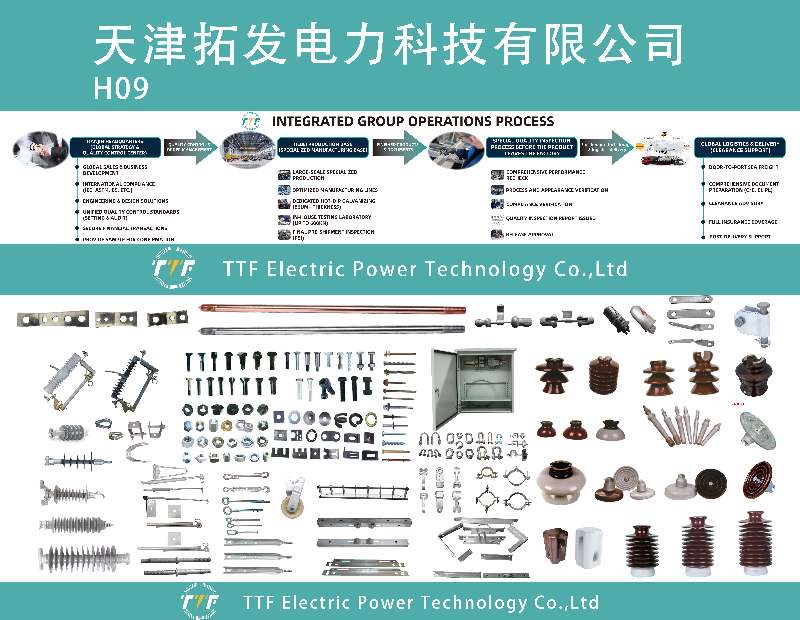
BESS projects strengthen grid reliability, support renewable energy integration, and reduce dependence on conventional fossil fuel generation. The BESS stores surplus renewable energy and supplies it during periods of high demand or system disturbances. They reduce the need to operate diesel generators and fossil-fuel-fired peaking power plants. Here is how BESS projects reduce fossil fuel use in Argentina.
- Replacing diesel generators during peak demand – BESS projects provide a cleaner alternative by supplying stored electricity during peak demand.
- Reducing reliance on fossil-fuel peaking plants—BESS reduces dependence by delivering stored electricity during peak hours and lowering the number of hours fossil fuel plants must operate.
- Improving grid flexibility – fossil-fuel power plants remain online to provide operational flexibility and reserve capacity. BESS provides frequency regulation, voltage support, operating reserves, and grid stabilization.
- Lowering greenhouse gas emissions – reduced fossil-fuel consumption leads to lower carbon dioxide emissions, reduced sulfur dioxide emissions, and improved air quality.