
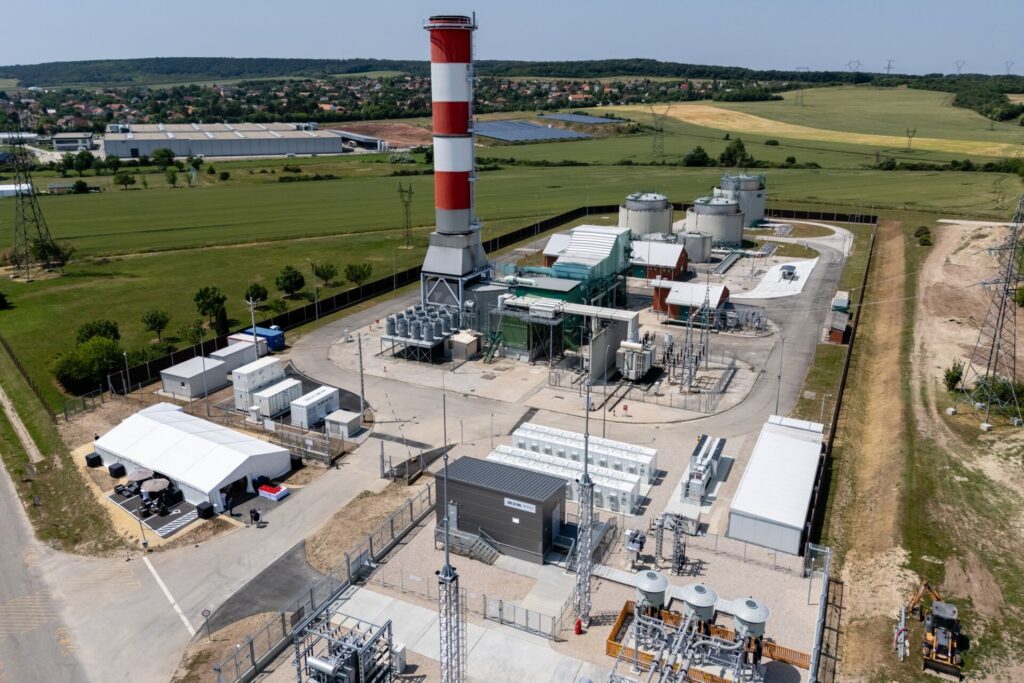
Genneia, the largest clean energy producer in Argentina, is determining the future of its 118 MW Bragado thermoelectric facility. Bragado and the 245 MW Cruz Alta facility located in Tucuman province make up the company’s 363 MW collection of fossil fuel-powered power plants. Factors include fewer annual dispatch hours, heightened competition from cheaper renewable sources, and pressure from decarbonization initiatives. Nonetheless, gas peaker plants continue to offer grid support capabilities that intermittent renewable generation cannot completely substitute. These assets provide quick startup ability, frequency stabilization, reserve power during renewable variability, and backup generation when there is transmission congestion. Thermal power plants assist in connecting fossil fuel generation with a renewable grid that relies more on storage. The connection and integration of these facilities with the grid and renewable energy sources depend on C-span clamps
Span clamps securely connect and mount cables in solar farms and battery energy storage systems. They manage the extensive cabling between battery racks, inverters, solar arrays, and grid connection points. They create a low-resistance electrical joint at connection points. This is crucial for the efficient transfer of high DC currents between battery modules and the power conversion system. C-span clamps prevent loosening caused by vibration or thermal expansion. This helps maintain the alignment of conductors under thermal stress to ensure long-term stability. The clamps help maintain signal integrity in hybrid overhead and underground cable transitions.
Quality assurance for C-span clamps used in thermal plants and integration infrastructure
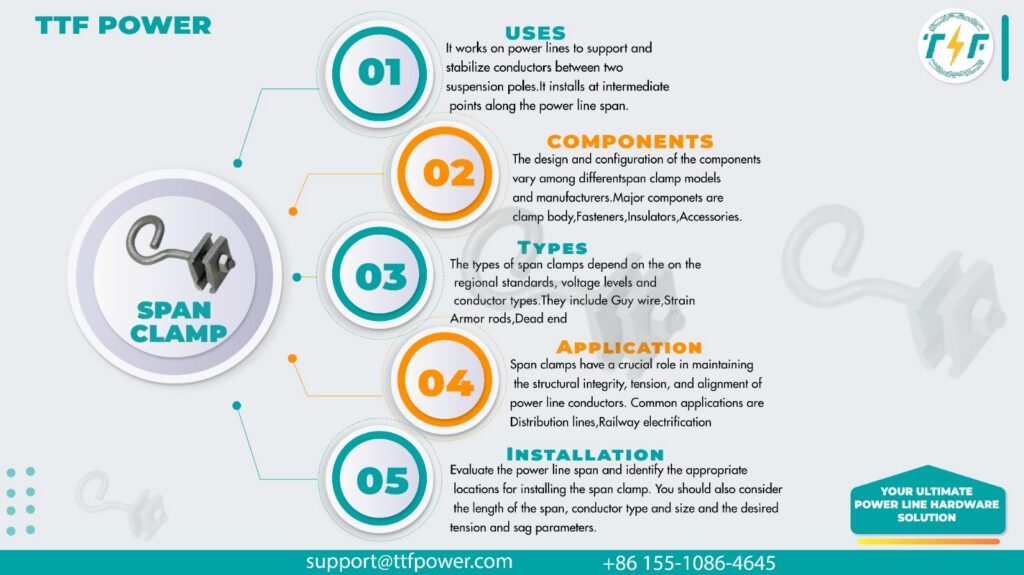
Conducting quality assurance for C-span clamps ensures secure conductors, mechanical stability, and reliable electrical transmission systems. QA helps prevent failures that lead to conductor displacement, line instability, mechanical fatigue damage, and power outages. Poor quality clamps experience bolt loosening, structural cracking, corrosion deterioration, conductor slippage, and reduced load-bearing capability. Argentina’s renewable integration and battery energy storage systems expansion will depend on these clamps. The process includes raw material verification, manufacturing inspection, mechanical strength testing, corrosion resistance, and thermal performance evaluation. Utilities and infrastructure developers can reduce operational risks and improve grid resilience. High-performance C-span clamp systems are critical components in maintaining secure and durable power infrastructure.
Functions of C-span clamps in thermal plants and integration infrastructure in Argentina
C-span clamps serve in thermal power plants, transmission systems, and energy integration infrastructure. They secure conductors and structural hardware while maintaining the mechanical stability and operational reliability of electrical networks. Here are its key roles in the infrastructure.
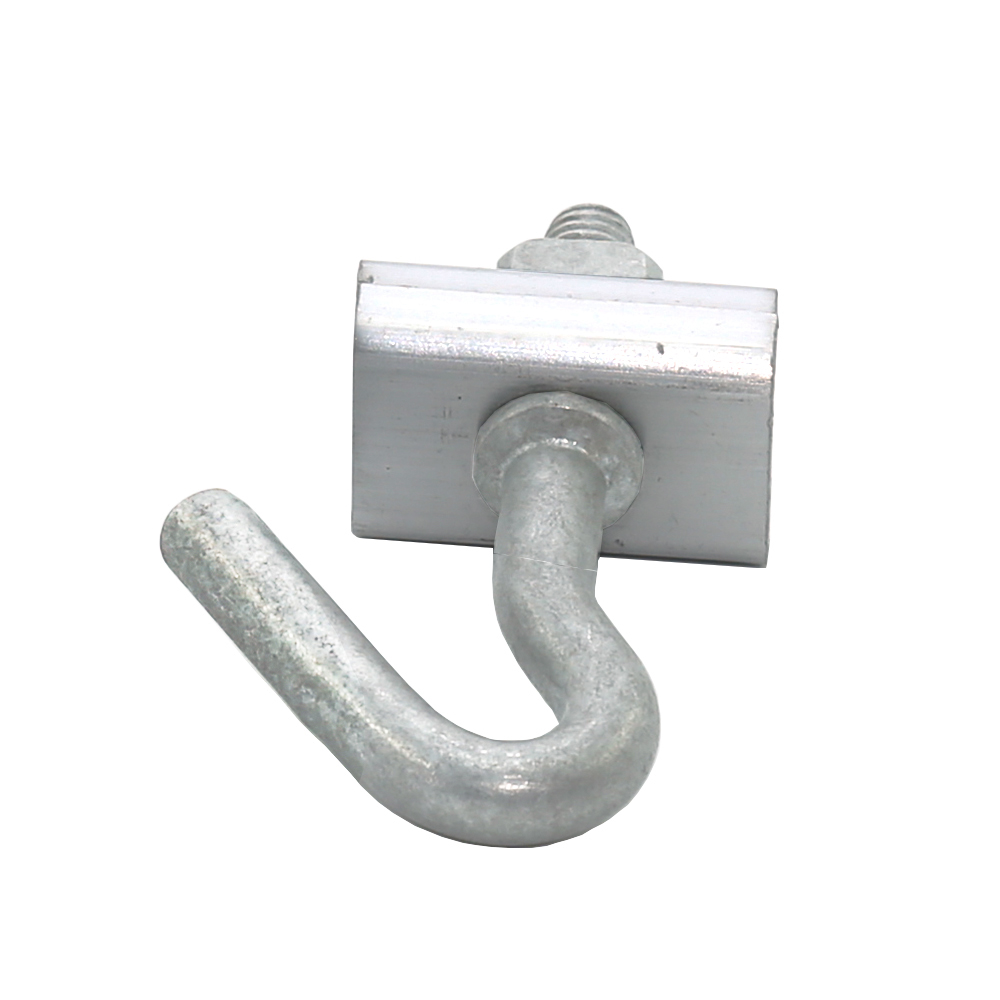
- Mechanical support of conductors—C-span clamps provide mechanical support for overhead conductors. They secure conductors to support structures, maintain conductor positioning, and stabilize transmission spans.
- Conductor retention and stability—the clamps hold conductors under dynamic operating conditions. They prevent conductor slippage, span misalignment, and mechanical loosening.
- Support for thermal plant power evacuation—C-span clamps serve in switchyard structures and plant interconnection lines. They secure conductor attachment under high electrical loads, thermal cycling, and mechanical stress caused by sustained generation dispatch.
- Integration of renewable and hybrid energy infrastructure—C-span clamps support these projects by stabilizing conductors. They secure renewable collection networks, transmission expansion lines, and storage interconnection systems.
- Maintenance of conductor spacing and clearance—proper conductor spacing prevents electrical flashovers, grounding incidents, and arc faults. C-span clamps maintain safe conductor clearance, structural alignment, and electrical separation distances. This is important in medium-voltage networks, substation interconnection, and industrial power systems.
Genneia’s initiatives to incorporate thermal power stations and decrease fossil fuel generation
Genneia is implementing a dual-transition approach in Argentina’s energy sector to ensure selective thermoelectric generation capacity for grid stability. This occurs while enlarging renewable infrastructure to lessen reliance on fossil-fuel power generation. These initiatives are as outlined as follows:
- Growth of renewable energy capability – Genneia has significant investments in wind farms, solar energy facilities, renewable transmission networks, and innovative energy storage solutions.
- Combining thermal and renewable energy infrastructure—the Bragado thermal plant and the Cruz Alta thermal plant serve as peaker generation assets and support grid stabilization. This enables Argentina to increase renewable production without jeopardizing system reliability.
- Minimizing reliance on traditional fossil fuel generation—the company has initiated decarbonization strategies that encompass wind and solar implementation, gradual phasing out of outdated thermal facilities, and decreased dependence on inefficient fossil-fuel energy sources.
- Investment in energy storage and transmission – the firm is progressing initiatives related to BESS, expansion of transmission, infrastructure for renewable energy evacuation, and hybrid energy systems.