
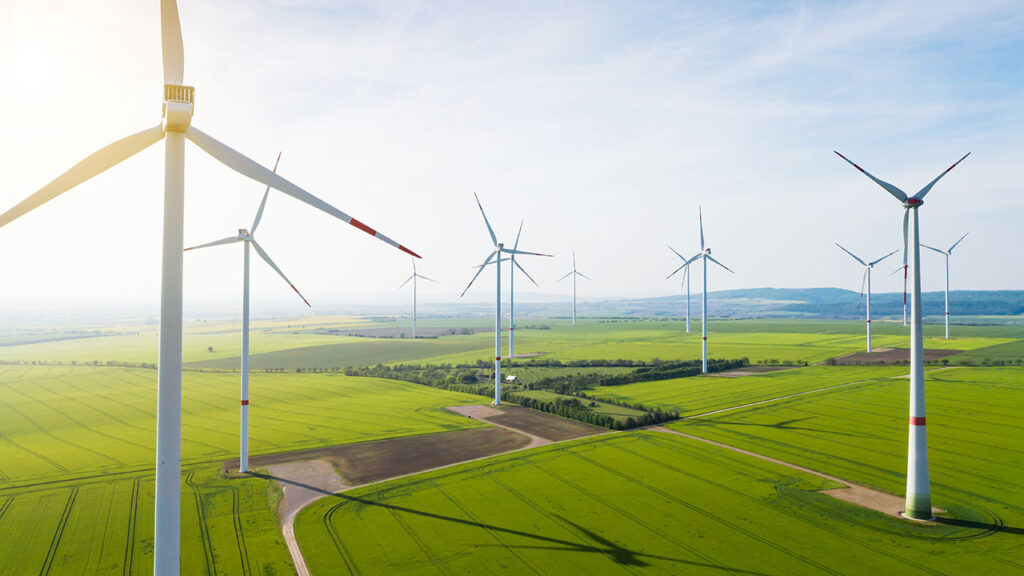
Vestas Energy is transitioning Argentina’s energy sector by supporting an installed base of close to 3 GW in operation and a pipeline of around 350 MW under construction. The expansion increases transmission loading intensity, mechanical stress on line components due to larger conductor spans, and grid complexity. The scaling environment demands use of robust components such as ground rod clamps. The clamps create safe and reliable grounding systems in wind farms. Using such components maintains structural integrity under electrical and mechanical loading conditions. The technical focus for the project moves beyond generation to grid stability, grounding integrity, and lifecycle reliability. Scaling wind capacity in Argentina requires a grid that absorbs higher volumes of variable power. This introduces increased fault current exposure, higher sensitivity to voltage fluctuations, and greater dependence on effective grounding systems. Using ground rod clamps ensures that grounding conductors maintain low-resistance and mechanically secure connections to earth electrodes.
Ground rod clamps ensure protection for both personnel and sensitive electronic equipment against electrical faults and lightning strikes. The clamps mechanically and electrically bond the copper grounding conductor to the ground rod driven into the earth. They connect the turbine tower’s internal copper down-conductor to the ground ring. Ground rod clamps connect rebar mats or embedded plates to the external grounding grid. The clamps function within the turbine’s control panel area to bond the ground rod to the metallic chassis and surge protection devices.
Quality assurance for ground rod clamps used in wind farm infrastructure
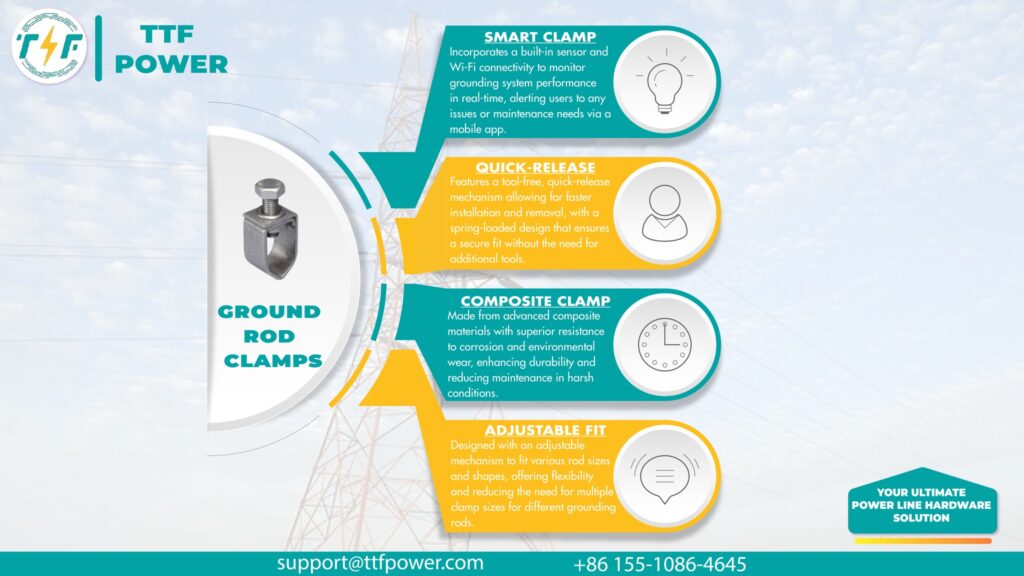
Ground rod clamps sit at the interface between conductors and earth electrodes in wind energy infrastructure. Quality assurance prevents degradation that compromises fault-current dissipation and lightning protection. Conducting quality assurance ensures electrical continuity under high surge currents, corrosion exposure, and mechanical stress. QA focuses on conductivity verification, mechanical strength, and galvanic compatibility. This prevents accelerated corrosion when joining dissimilar metals and ensures low-resistance electrical paths. The process also includes design validation, corrosion resistance, mechanical performance and retention testing, and thermal performance testing. During clamp installation, QA ensures surface preparation checks, torque control, and compatibility verification. The ground rod clamps also undergo periodic visual inspections, ground resistance testing, and infrared thermography. QA prevents failures that may limit system reliability and safety in wind projects.
Functions of the ground rod clamps in Argentina’s wind farm infrastructure
Ground rod clamps ensure electrical continuity between conductors and enable safe dissipation of fault and transient energies in a high-exposure environment. Their performance influences the reliability, safety, and efficiency of the wind energy system. Here are the key functions of the clamps in wind energy systems.
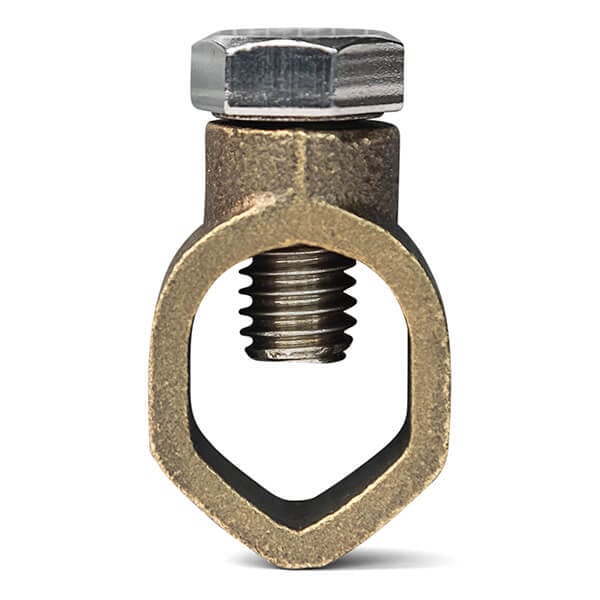
- Establishing low-resistance ground connections – ground rod clamps connect grounding conductors to driven ground rods. The clamps maintain a low-impedance path to earth and ensure stable electrical continuity.
- Fault current dissipation – the clamps provide a secure path for fault currents. They prevent dangerous voltage buildup in turbine towers, substations, and transmission lines.
- Lightning protection interface – the clamps secure the connection between down conductors and grounding rods. They enable rapid transfer of high-energy lightning impulses into the grid.
- Supporting grid stability and power quality – the clamps reduce transient disturbances caused by switching and stabilize voltage levels by ensuring proper fault clearing.
- Mechanical retention under dynamic conditions – the rod clamps maintain mechanical grip on rods and conductors, resist loosening due to vibration, and preserve electrical contact integrity despite movement.
Impacts of Vestas wind energy development in Argentina
The expansion of Vestas in Argentina is producing impacts that extend beyond electricity generation into economic structure, grid dynamics, industrial development, and environmental performance. The development is lowering emissions, reducing energy costs, and stimulating economic growth. Vestas’ advanced turbine and control technologies help mitigate intermittency and the increased need for transmission infrastructure. Key impacts include:
- Energy system transformation and diversification – wind energy deployment diversifies the generation matrix, enhances energy security, and aligns with national renewable energy policies.
- Reduction in carbon emissions and environmental impact—Vestas’s wind project contributes to emission reduction. This is through displacing carbon-intensive generation sources and reducing air pollution and water usage compared to thermal plants.
- Economic growth and industrial development—Vestas expansion provides job creation, supply chain stimulation, and private investment attraction.
- Grid performance and operational impacts—large-scale wind integration improves load balancing, reduces reliance on peak thermal generation, and enhances dispatch optimization with predictable wind forecasting.